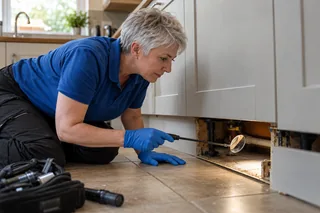

A scratching sound after dark can seem to come from the wall beside your bed, even when its source is several metres away. Floors, pipes and roof timbers carry noise. Mice, rats and squirrels are possible explanations, but so are birds, building movement and equipment. The sound tells you where to begin observing; it does not identify an animal.
Start a brief record before moving anything. Note the time, length of the sound, whether it is scratching, running or tapping, and the room where you hear it most clearly. Keep other people informed, but do not open a wall or loft space to test a guess in the middle of the night.
Pin down the pattern
Listen from more than one safe position while the sound occurs. Does it seem to travel along a ceiling, remain beside a pipe or happen near an outside wall? Record any difference between rooms. A phone recording may help if it captures the noise, although a faint recording cannot reliably convey its true volume.
Compare several nights rather than one episode. A repeated route at similar times is useful information. A single thud during wind or rain may have a building explanation. Check whether heating, ventilation or an appliance switches on when the sound begins. This does not rule out a pest, but it may prevent unnecessary disturbance of the property.
Avoid claims such as “it must be a large animal because it sounds heavy”. A small animal can sound surprisingly loud in a hollow void, and a larger one can move quietly. The location and timing should guide the next inspection, not settle the identification.
Look for evidence in accessible rooms
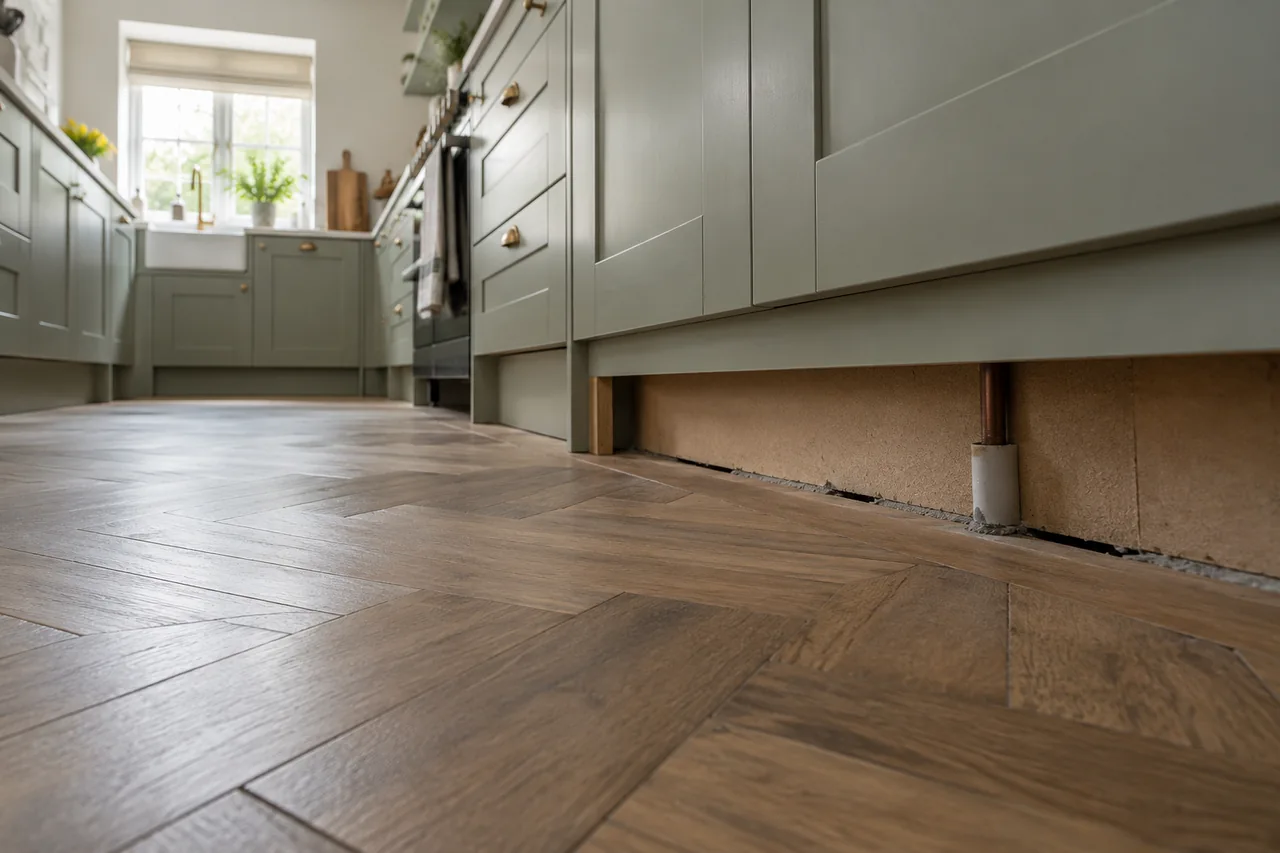
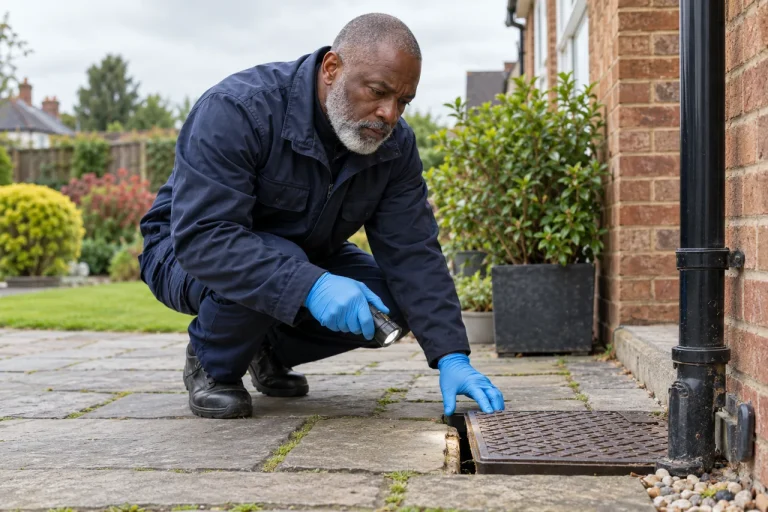
In daylight, inspect the nearby room without dismantling it. A torch can help you see along skirting, inside an accessible cupboard and around visible pipe gaps. Photograph droppings, gnaw marks or food damage without touching suspect material. If the noise is near the kitchen, check food storage and the bin as well as the wall.
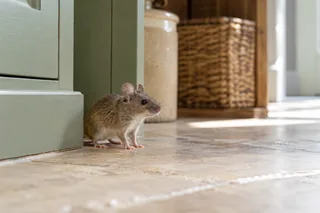
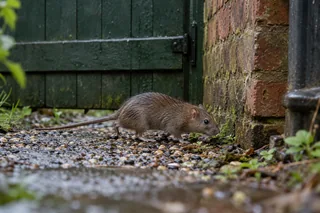
Mouse droppings are generally small and rice shaped; rat droppings are typically larger. These clues need context. A dark speck may be debris, and a mark on one board may be old. Dated photographs allow you to see whether new evidence appears where the noise was heard.
Do not reach into a void, move a heavy appliance alone or handle damaged wiring. If a cable covering looks gnawed, keep clear and ask an electrician to assess it. A pest inspection and an electrical repair may both be needed.
Take extra care with a loft
A loft is not a place to investigate casually at night. Boarding may be incomplete, insulation can hide hazards and lighting may be poor. If you can safely view from a hatch in daylight, note any visible evidence without stepping into the space. Otherwise leave the hatch closed and ask for an appropriate inspection.
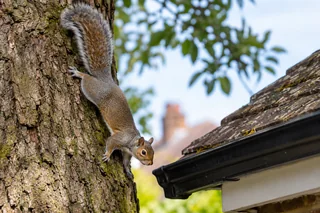
Noises in a roof space have several possible sources. BPCA lists scratching and rustling among signs associated with squirrels, while rodents can also move in lofts and cavities. Sound alone cannot distinguish them. Do not seal an external opening while an animal may be inside, and do not set a trap for a species you have not identified.
Bats and their roosts are legally protected. GOV.UK warns that disturbing bats or blocking access to a roost can be an offence, even when the animals are not visible at the moment of work. If there is any reason to suspect bats, seek specialist advice before pest control, roof repairs or insulation work near the space.
Check the outside from ground level
Look at the wall, roofline and service entries near the room where the noise is strongest. A loose vent, gap around a pipe or damaged fascia may be worth photographing. Do not climb a ladder or reach beneath roof tiles. The apparent sound location may be misleading, so record possible defects without calling one the entry point until evidence supports it.
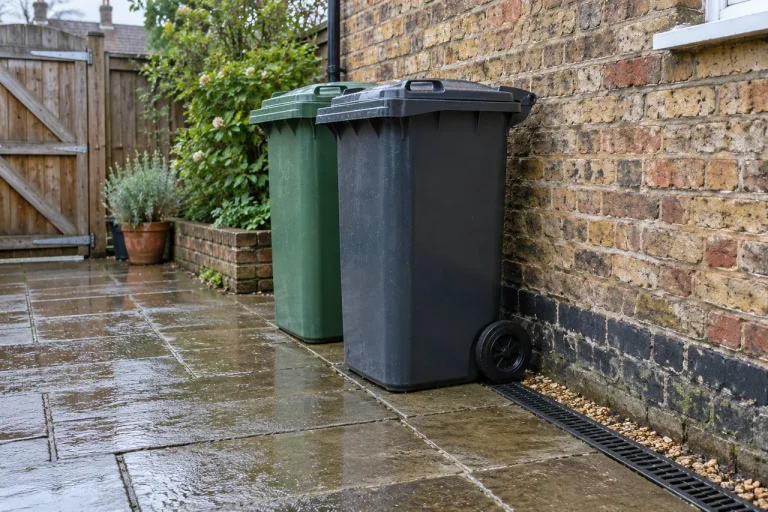
Inspect bins, bird feeding areas and stored food outside. These may explain why rodents visit the property, but they do not identify what made the noise. Keep food secure and clear spills while the investigation continues. Avoid rearranging a suspected route so much that later evidence becomes difficult to compare.
Decide what the evidence supports
Put your observations into three groups: the sound itself, physical signs and visible openings. A repeated noise plus fresh droppings in the adjoining cupboard is stronger than the noise alone. A loft sound with no visible evidence remains uncertain. An inspector can use that uncertainty to plan a focused check rather than treating a guess as a fact.
The mice control service, rat control service and squirrel control service describe separate assessment routes for Pinner properties. Share your timing notes and photographs when contacting the team. Ask how the species will be confirmed before any treatment or proofing is recommended.
If another kind of wildlife may be present, say so. GOV.UK advises seeking professional guidance when you are unsure which animal may lawfully be controlled or how. The safe next step may be an ecological assessment rather than ordinary pest work.
While waiting for an inspection
Keep the affected space undisturbed, make ordinary food storage more secure and continue the sound log for a few nights. Tell the landlord or managing agent if the property is shared or if a building repair may be necessary. Do not put devices into a wall, loft or roof void you cannot inspect safely.
Ask the inspector which observations are confirmed and which are still possibilities. If a route cannot be seen, find out what monitoring or access would clarify it. A clear answer may take more than one visit; the aim is to identify the source before making changes that could trap an animal or disturb protected wildlife.
Make the follow-up specific
If the source is identified, ask where it was found and how that conclusion was reached. A droppings photograph, a direct sighting or a clear route may support an answer more strongly than the sound itself. Record what needs doing now and what should wait. Control, safe removal of contaminated material and building repairs may involve different people and different times.
If the source remains uncertain, agree a way to gather better evidence. That might mean watching an accessible room edge, checking a safe exterior position in daylight or arranging access to a loft with proper equipment. Keep the same sound log so you can tell whether the timing or location changes. Do not open a ceiling simply because the sound returned once.
After any repair, listen and inspect again rather than assuming silence settles everything. A sound may stop because an appliance was repaired, because an animal moved or because a route was closed. The explanation depends on what else changed and whether physical evidence remains. If new droppings or damage appear, report them promptly with dates and photographs.
Keep the aftercare instructions where all occupants can find them. Keep neighbours informed when access must be shared. The instructions should say what to watch, whom to contact and which openings must not be altered until the animal has been identified or excluded. A plan is especially useful when the first person to hear a later noise was not present for the inspection.
Night scratching is a prompt to investigate carefully. Treat the sound as one clue, record what you can see without risk and let the combined evidence guide the response.