


PINNER / HA5 / OUR APPROACH
About Our Pest Control Service in Pinner
A clear account of the signs. A considered plan for the property.
- Check evidence before choosing treatment
- Agree inspection access and preparation
- Discuss aftercare and prevention
Our service information starts with what you have noticed and what an accessible inspection can establish. For homes and commercial properties in Pinner, the aim is to connect identification, treatment choices and practical aftercare without assuming that every pest problem needs the same response.
BEFORE A VISIT
How We Handle Pest Enquiries
A useful pest enquiry begins with a location and a description, rather than a request for an unspecified spray. Tell us your postcode, the property type and where the first and most recent signs appeared. A photograph, a damaged item or a record of sightings can help explain the concern. Noises and skin reactions alone do not confirm a species. Mention previous products or visits so the discussion takes account of what has already changed in the property.
The next conversation should clarify the affected areas, who can authorise work and what an inspection can reasonably include. Flats, rented homes and shared business buildings may have access controlled by more than one person. Explain locked cupboards, heavy equipment, roof-space limits and operating hours before an appointment is agreed. Ask for the proposed scope, full quotation and included return work. A telephone enquiry does not by itself confirm attendance, a fixed arrival time or a treatment outcome.

EVIDENCE & ACCESS
Inside a Property Inspection
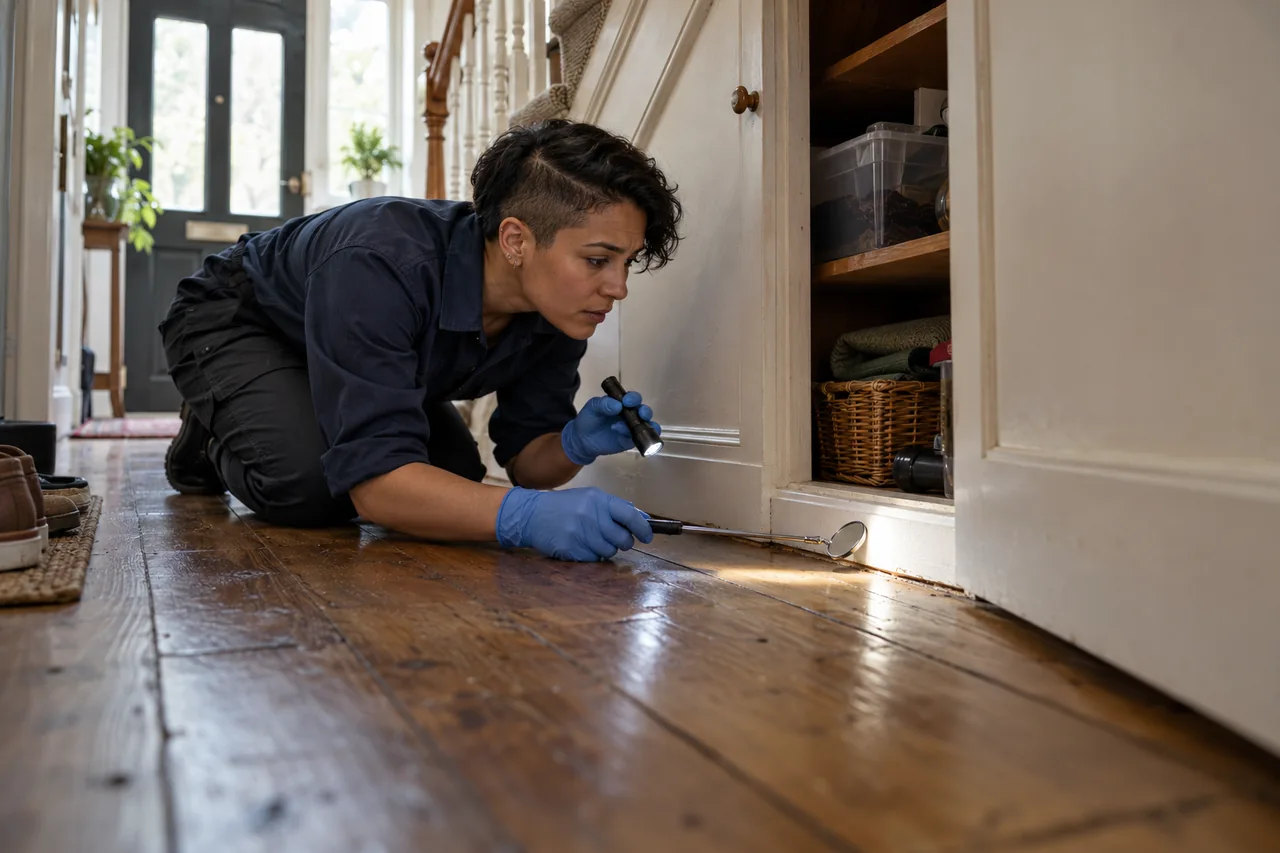
Inspection connects signs of activity with the surrounding building and materials. Depending on the concern, relevant evidence can include droppings, gnawing, insect specimens, cast skins, spotting or damage. Their distribution matters: an insect at a window does not necessarily reveal its developing source, and a rodent may enter a room through a connected service route. The account should distinguish observed evidence, reasonable possibilities and areas where identification remains uncertain.
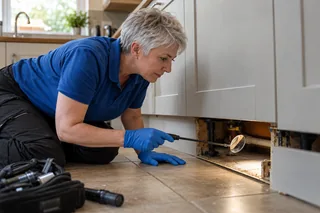
Accessible pipe openings, cupboard margins, floor junctions, bed-frame joints or stored textiles may need attention for different reasons. The inspection also considers conditions that can sustain activity, such as available food, moisture, quiet shelter or susceptible material. Fixed construction and unsafe access limit what can be checked. Those limits should be recorded, with separate building, drainage or specialist investigations discussed when necessary. An unexamined void should not be presented as a proven source merely because it is nearby.
MATCH THE RESPONSE TO THE FINDINGS
How Treatment Decisions Are Made
The findings should explain the proposed method. Identification, the extent of evidence, material sensitivity and the people using the space all influence what is suitable. Monitoring, trapping, appropriately secured placements, targeted products or specialist heat may be relevant in different circumstances; mentioning an option is not confirmation that it is available or appropriate for every enquiry. Ask what the selected measure addresses, what it cannot resolve and how its effect will be assessed. The following comparison shows why treatment discussions differ between pest groups.
| Pest problem | What is checked | Treatment considerations | Follow-up |
|---|---|---|---|
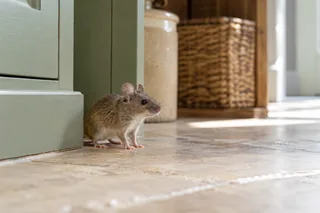
| Mice and rats | Routes, signs and food or waste access | Protected control locations; coordinate any proofing with activity | Review fresh evidence and unresolved openings |
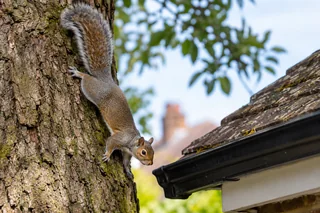
| Squirrels | Species, roof entry and possible nesting | Lawful species-specific action, safe access and dependent young | Assess exclusion timing and separate roof repairs |
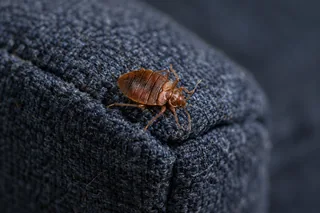
| Bed bugs | Beds, seams, joints and adjoining sleeping areas | Containment and methods suited to distribution and materials | Compare new findings with the original room record |
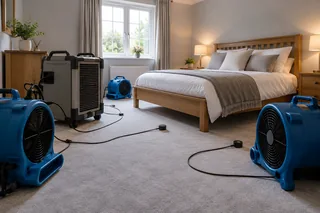
| Bed bug heat enquiries | Room contents, equipment access and sensitive materials | Suitability and monitored cold spots need assessment | Agree post-work checks; no automatic one-visit promise |
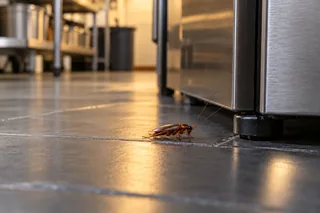
| Cockroaches | Identification, warm harbourages and water access | Coordinate targeted measures with food protection and cleaning | Use location-based monitoring evidence |
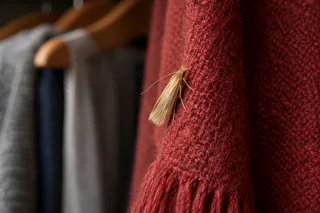
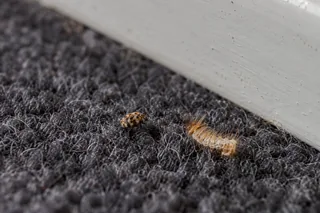
| Moths and carpet beetles | Larvae, susceptible fibres and undisturbed sources | Careful textile handling and source management | Separate fresh damage from historic holes or skins |
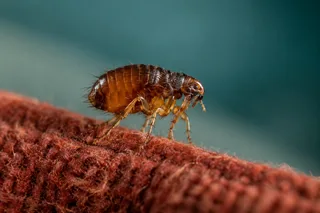
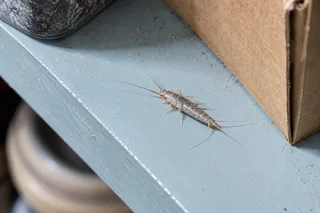
| Fleas and silverfish | Species and relevant room conditions | Flea premises care differs from veterinary care; silverfish conditions vary | Interpret emergence or changing distribution in context |
OCCUPIED SPACES
Working in Homes and Commercial Properties
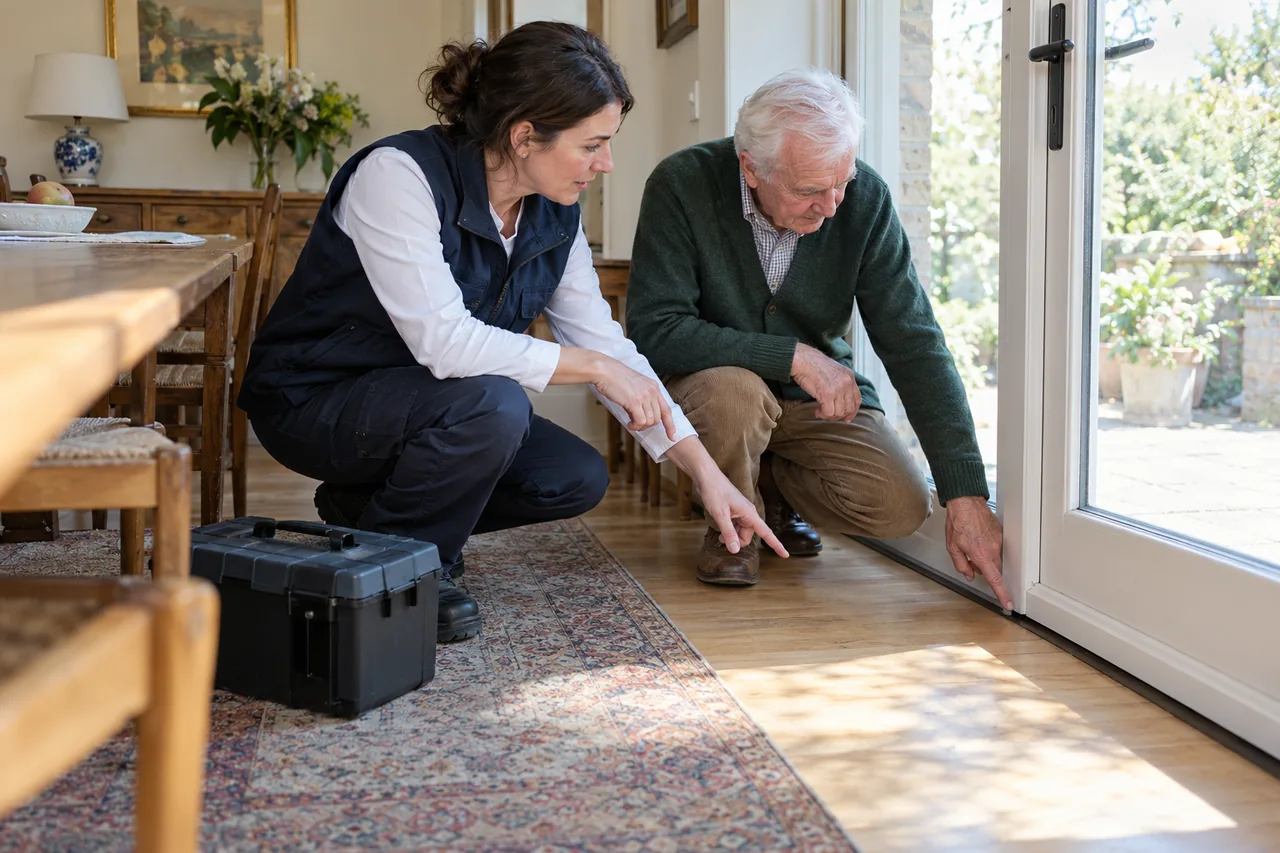
Occupied homes need a practical preparation plan. Tell the technician about children, pets and anyone who needs individual access arrangements, together with aquariums or sensitive possessions where relevant. Ask which rooms or edges need clearing and whether particular items should remain in place for inspection. Do not move heavy appliances, disturb suspected contaminated deposits or carry suspect bedding through other rooms simply to make space. Preparation should support the actual method while protecting occupants and belongings.
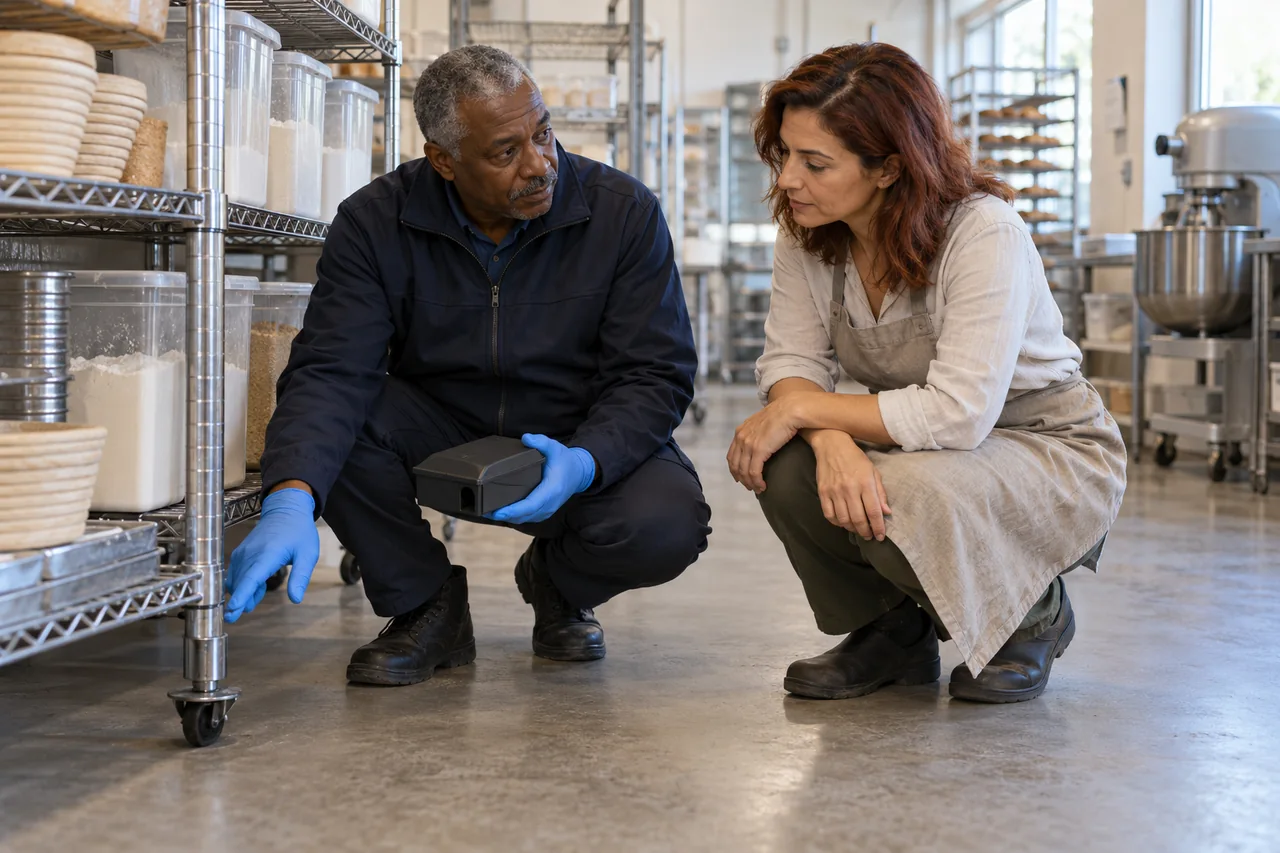
Commercial premises add questions about staff, deliveries, food handling, equipment access and cleaning teams. Work may need coordination with a manager or another contractor, especially where fixed appliances or shared services are involved. Agree who receives the findings and who communicates restrictions. Re-entry, ventilation, cleaning and surface-use instructions depend on the authorised product and method; no single waiting period applies to every visit. Confirm any interruption to room use before work starts rather than assume normal operations can continue throughout.
AFTER THE WORK
Prevention and Aftercare
Aftercare links the work with useful observations. Keep a dated record of further sightings or fresh signs, identifying the room and exact location where possible. Follow instructions for equipment, treated surfaces, access and cleaning, and ask before adding a household product. Existing damage will not repair itself after treatment, while developing insect stages or unresolved routes can affect the pattern seen afterwards. A review should interpret those details alongside the original findings.
Prevention advice is most useful when it names a condition in your property. It might involve food storage, appropriate cleaning of an affected material source, repairing an identified moisture problem or closing an assessed route at the right stage. Repairs and specialist textile care may be separate work. Confirm who is responsible, which review visits are included and what would change the scope. If you are ready to describe a concern, the Contact Us page explains what information helps the first conversation.
FOLLOW THE EVIDENCE
Explore Our Services
Choose the investigation relevant to the signs in your property. Each service page explains its own evidence, preparation and review considerations.
Mice Control
Cupboard signs and pipe gaps need to be connected with accessible movement routes. Explore how evidence, protected placements and the timing of proofing inform a mouse-control discussion.
Rat Control
Building edges, waste areas and larger entry routes may need assessment together. Suspected drain faults require evidence and can involve a separate investigation beyond an ordinary visit.
Squirrel Control
Sounds overhead need species and access assessment. Read about roof evidence, lawful action, dependent young and why an occupied opening should not be blocked without a plan.
Bed Bug Treatment
Physical evidence in bed joints, furniture and adjoining spaces guides the scope. Preparation and controlled handling of belongings help avoid spreading a suspected problem during inspection and treatment.
Bed Bug Heat Treatment
Heating a room requires suitability checks rather than a simple temperature claim. Contents, safe equipment access and monitoring of difficult locations shape the proposal and review.
Cockroach Treatment
Identification and harbourages around warm equipment can direct checks. Food protection, cleaning schedules and accessible pipe areas matter when coordinating work in a home or business kitchen.
Moth Control
Flying moths do not locate every textile source. The investigation follows insect evidence into susceptible clothing, carpets and quiet storage, with preparation that respects material care instructions.
Flea Treatment
Animal resting places and the wider floor environment provide context. Premises treatment, veterinary care and observations during aftercare have distinct roles that should be coordinated.
Silverfish Control
Species and distribution help interpret sightings in bathrooms or drier storage. Moisture, shelter and stored materials should be assessed without assuming every insect proves a hidden leak.
Carpet Beetle Treatment
Larvae, cast skins and susceptible materials are more informative than an adult at a window alone. Source checks and careful textile handling guide the control and subsequent review.
YOUR PROPERTY. YOUR NEXT STEP.
Talk through the signs with us.
Call with the postcode, affected areas and any access limitations. Confirm the proposed visit, preparation and quotation directly.