PINNER, HA5 / HOMES & BUSINESSES

Pest Control Pinner

Inspections and treatment for rodents, bed bugs and household insects.

We begin with your sightings and an inspection of accessible problem areas. Identification and the extent of activity guide the treatment. After the visit, you receive instructions for safe access, monitoring and prevention.

  • Check signs and likely entry routes
  • Identify the pest before selecting treatment
  • Plan around people, pets and the property
  • Explain preparation, aftercare and follow-up
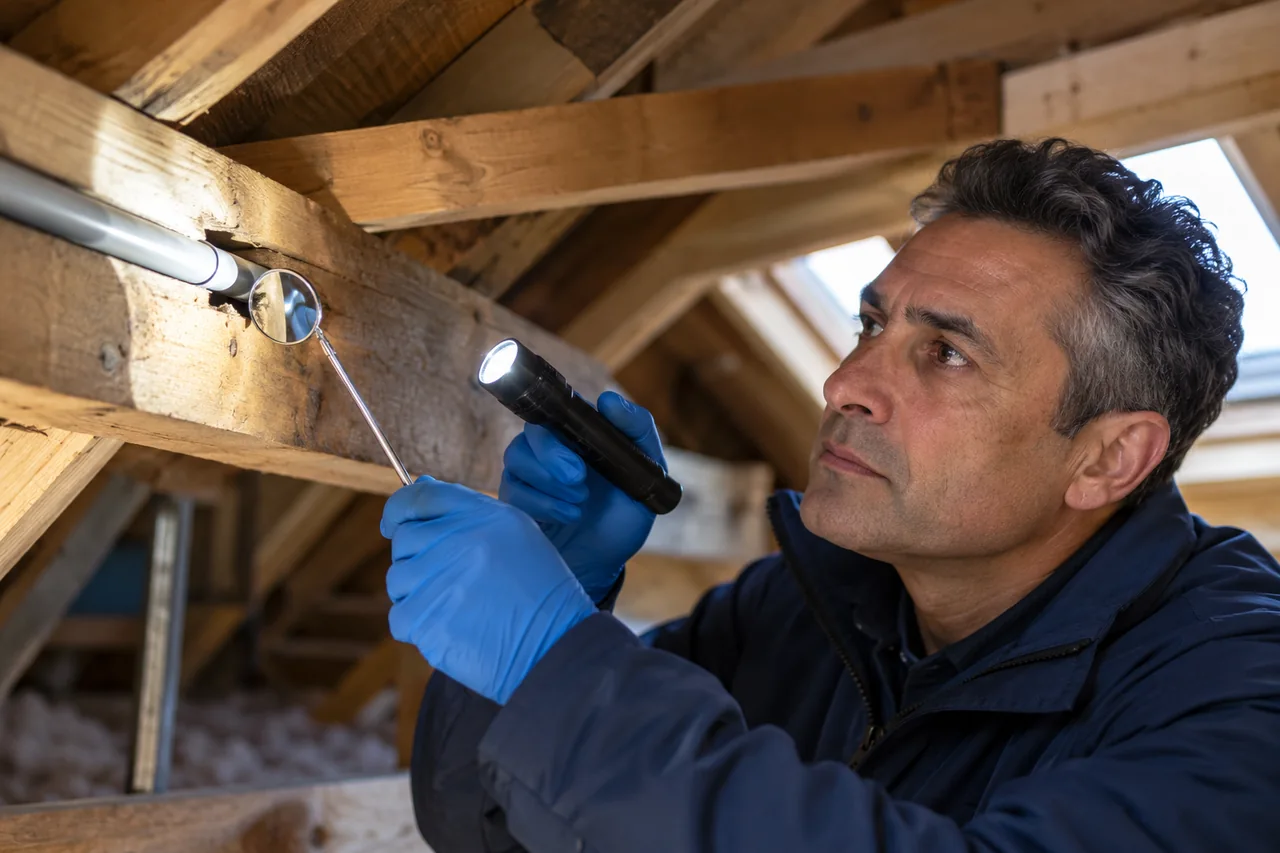
Technician inspecting a loft pipe entry with a torch and mirror.

INSPECT

IDENTIFY

TREAT & REVIEW

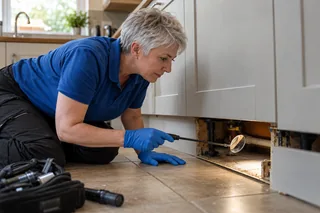
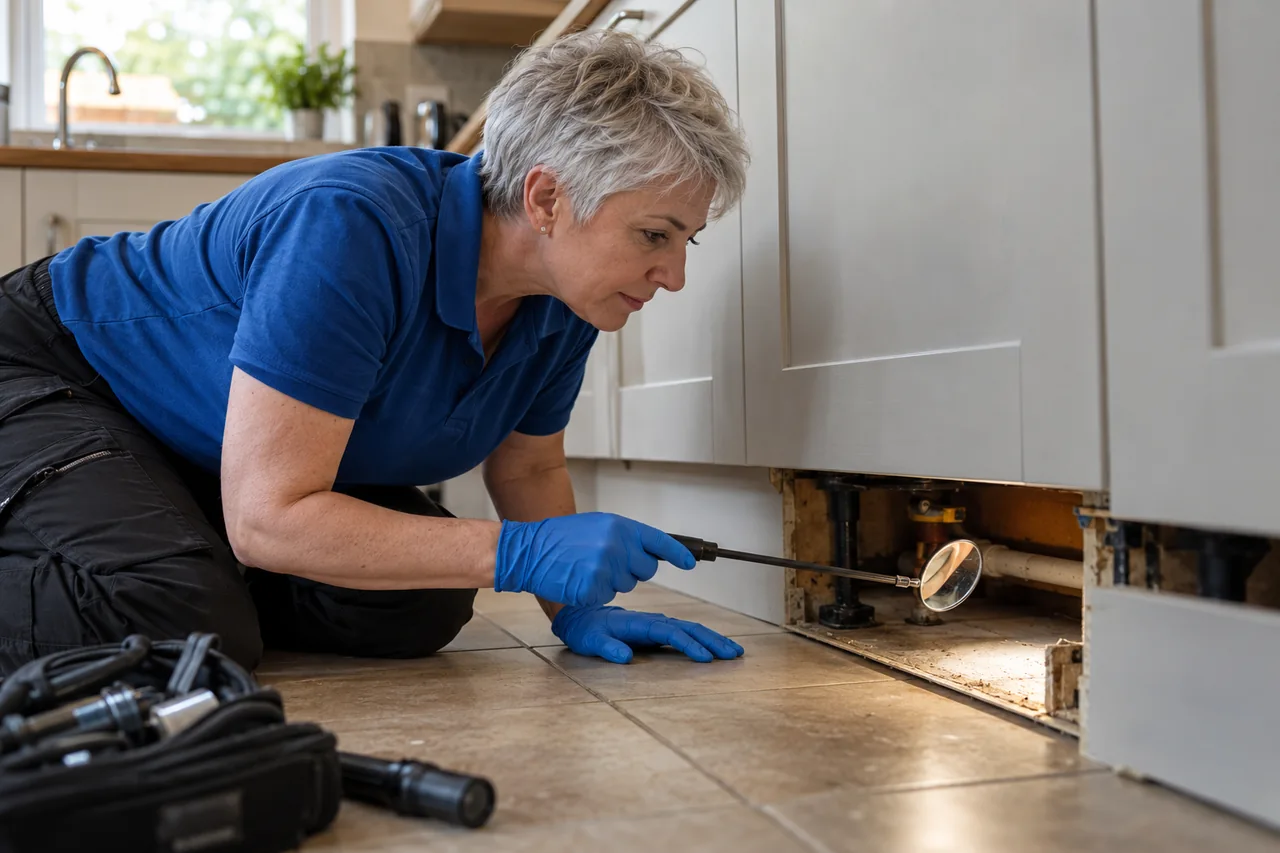
Technician examining the space behind a kitchen kickboard.

Accessible edges and concealed routes help connect the signs.

EVIDENCE BEFORE ACTION

What We Find During an Inspection

The inspection starts where you have noticed activity, then follows the evidence into adjoining accessible areas. We explain what is confirmed, what is suspected and where limited access prevents a conclusion.

Signs, entry points and affected rooms

Droppings, gnawing, specimens, shed skins and damage are considered together. Pipe gaps, cupboard backs, loft edges and outside openings can reveal routes. A bite or scratching sound alone is insufficient identification.

What is keeping the problem going?

Food, waste, moisture and sheltered nesting or feeding sites can sustain activity. Shared walls or services may require cooperation with a landlord. The findings help define the treatment area and any separate repair or drainage investigation.

ABOUT OUR APPROACH

A practical first conversation.

For professional pest control in Pinner, call with your postcode, property type and the signs you have noticed. Describe the rooms affected, recent changes and anything already tried. We discuss access, appointment availability and what an inspection can establish. Ask what the quotation covers, including equipment and any further visits.

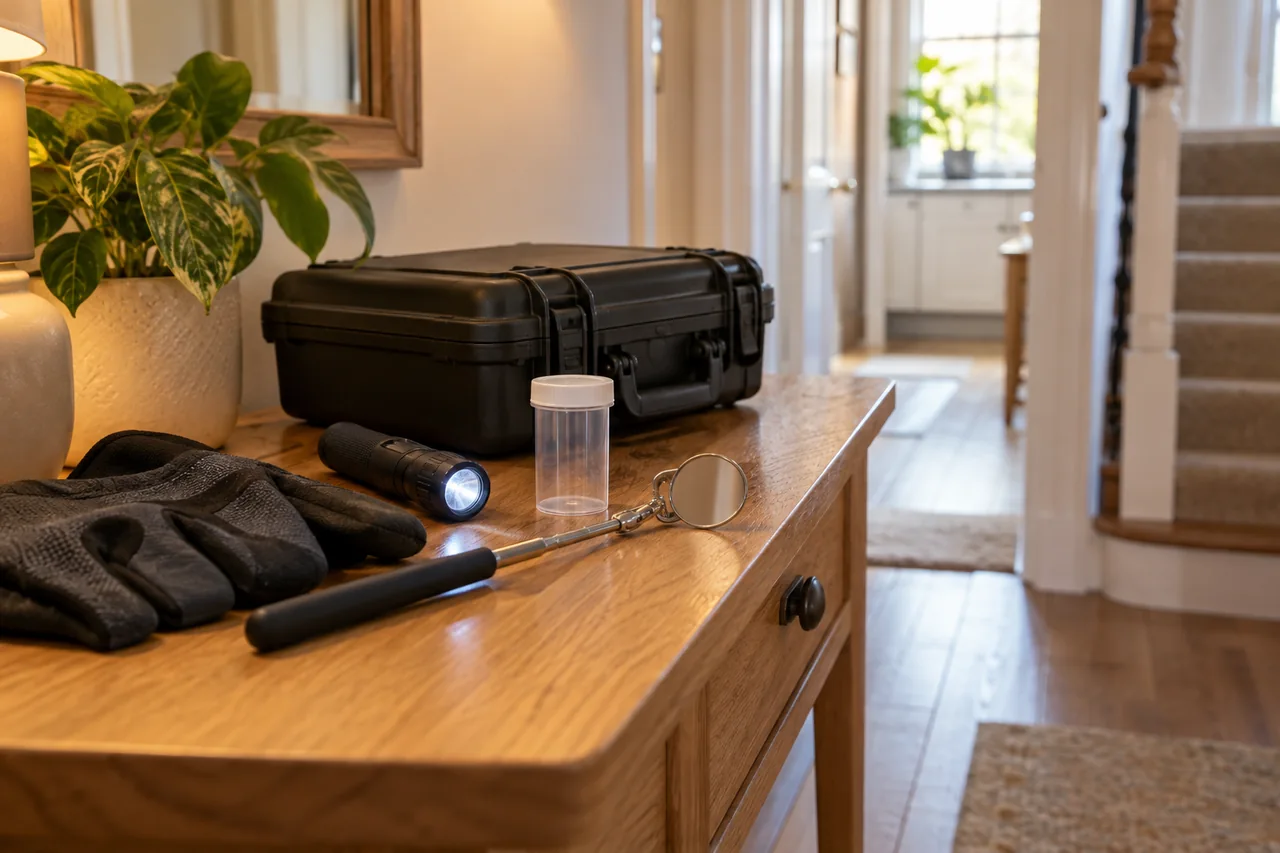
Torch, mirror, specimen vial and gloves in an inspection kit.

SERVICES FOR YOUR PROPERTY

Pest Control Services in Pinner

Choose a pest to see what the inspection considers. The method is selected for the findings in your property.

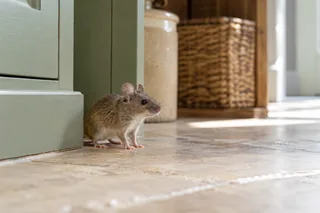
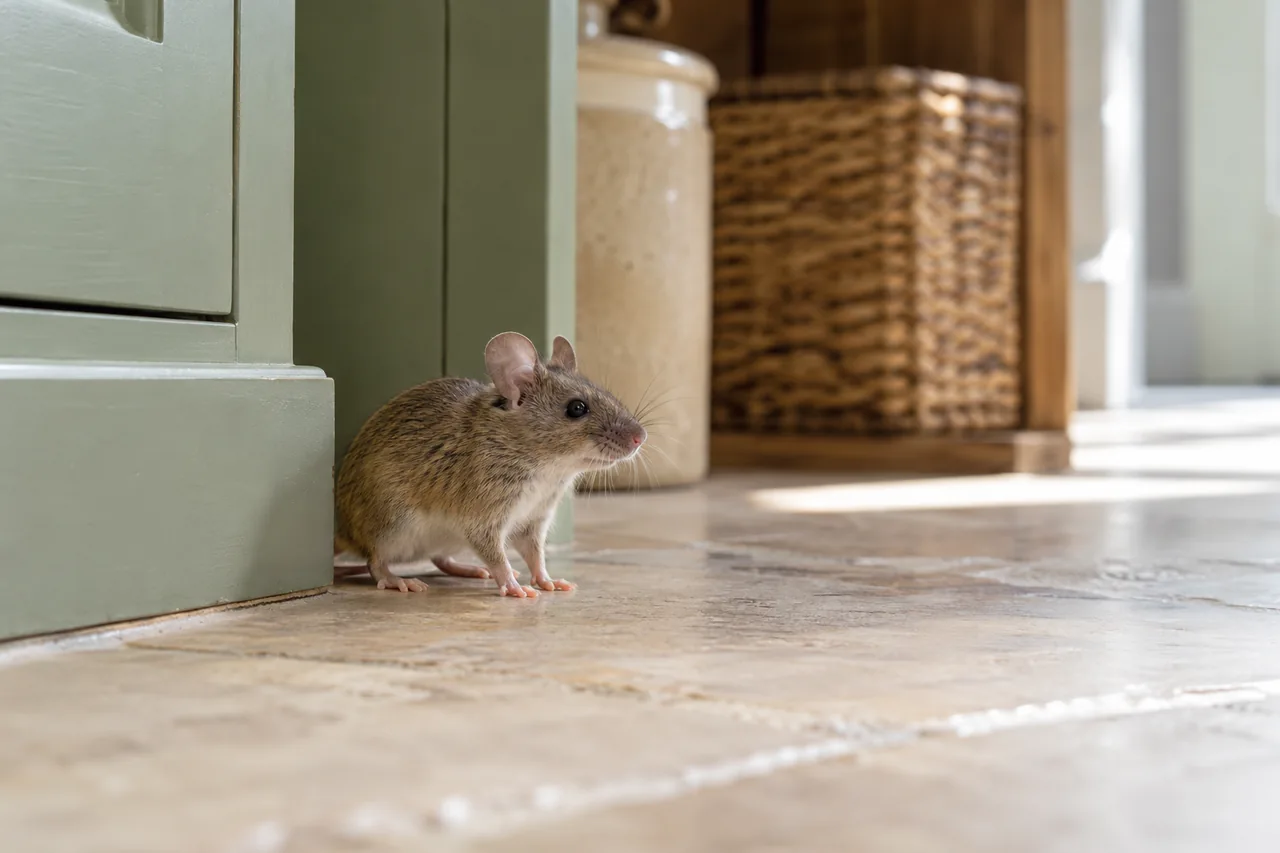
House mouse beside a sage green pantry cupboard.

RODENT & WILDLIFE

Mice Control

Trace the routes behind the signs.

What the visit considers

We check droppings, gnawing, cupboard edges and pipe penetrations to locate activity. Suitable trapping or secured baiting is considered alongside food storage and later proofing. Tell the technician about pets and earlier products. Active routes need assessment before gaps are sealed.

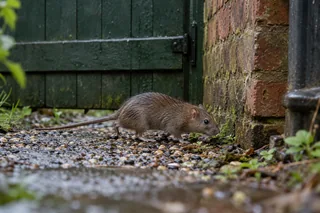
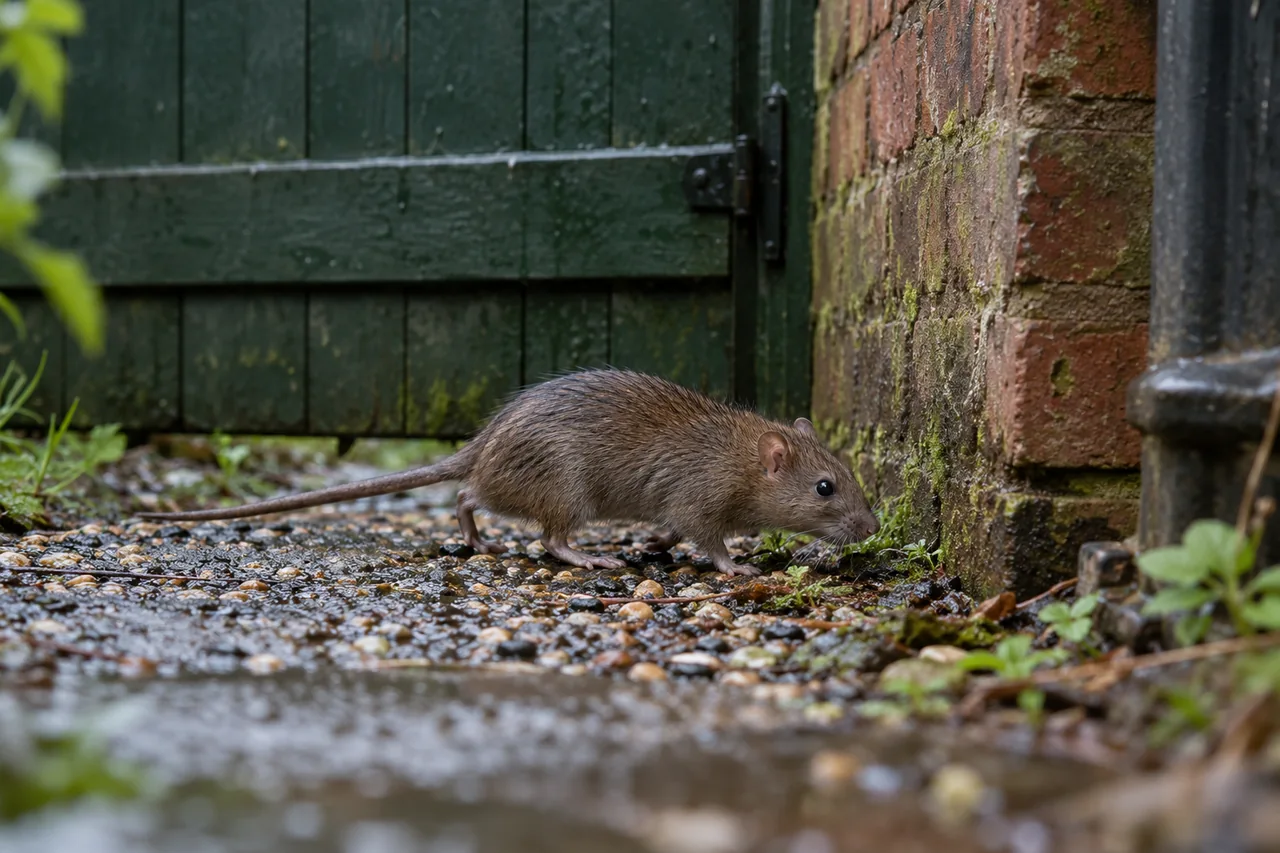
Brown rat beside a brick outbuilding and garden gate.

RODENT & WILDLIFE

Rat Control

Look beyond the first sighting.

What the visit considers

The inspection follows activity around building edges, waste storage and accessible entry points. Suspected drainage faults may need a separate investigation. Control equipment must suit the location and its users; a review considers remaining activity and unresolved access routes.

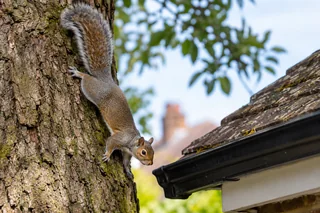
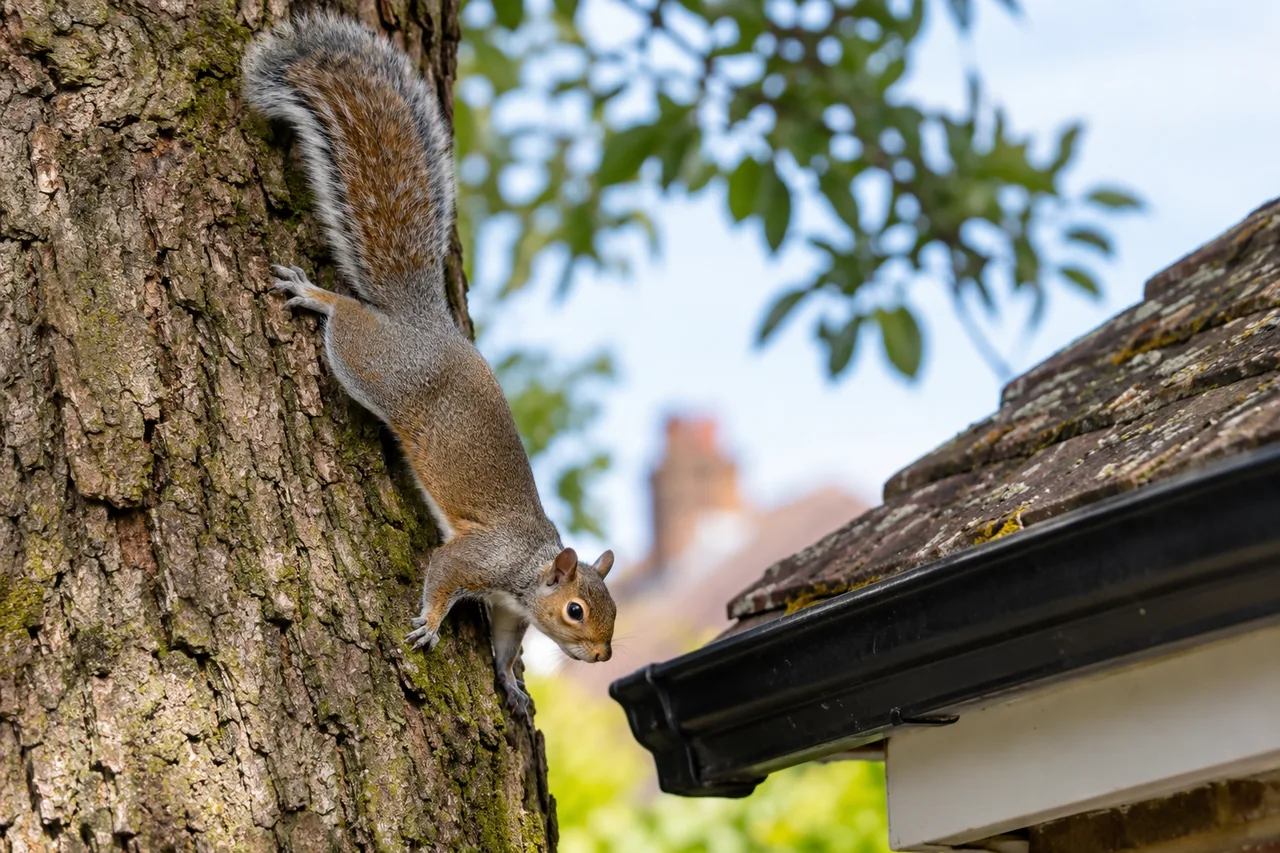
Grey squirrel descending an oak trunk near a roof edge.

RODENT & WILDLIFE

Squirrel Control

Identify what is happening overhead.

What the visit considers

Roofline gaps, disturbed insulation and gnawing help establish whether squirrels are involved. Species, season and possible dependent young affect the lawful approach. Do not block an opening while an animal may remain inside. Safe access and any roof repairs are discussed separately.

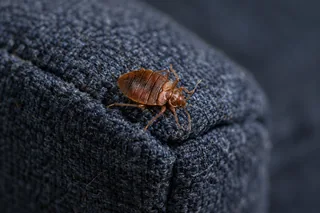
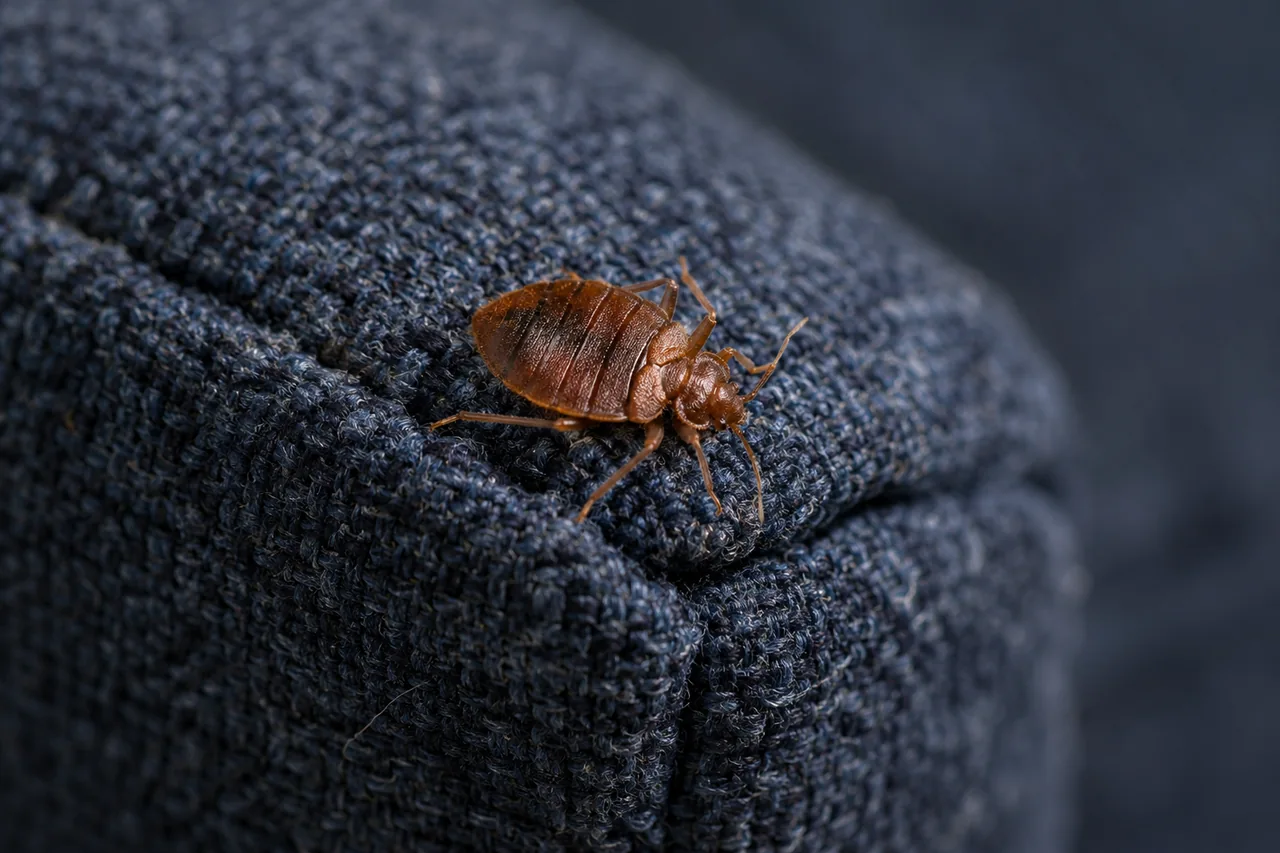
Bed bug on a dark blue upholstered bed-frame seam.

INSECT CONTROL

Bed Bug Treatment

Inspect the places bed bugs shelter.

What the visit considers

Bed joints, headboards, upholstery seams and adjacent sleeping spaces are checked for insects, eggs, spotting and cast skins. Bites alone do not confirm bed bugs. Targeted treatment may combine methods, with preparation and return inspections agreed around the evidence and extent of spread.

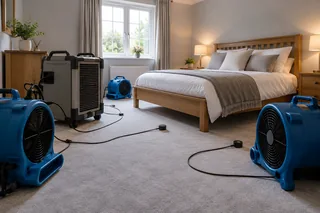
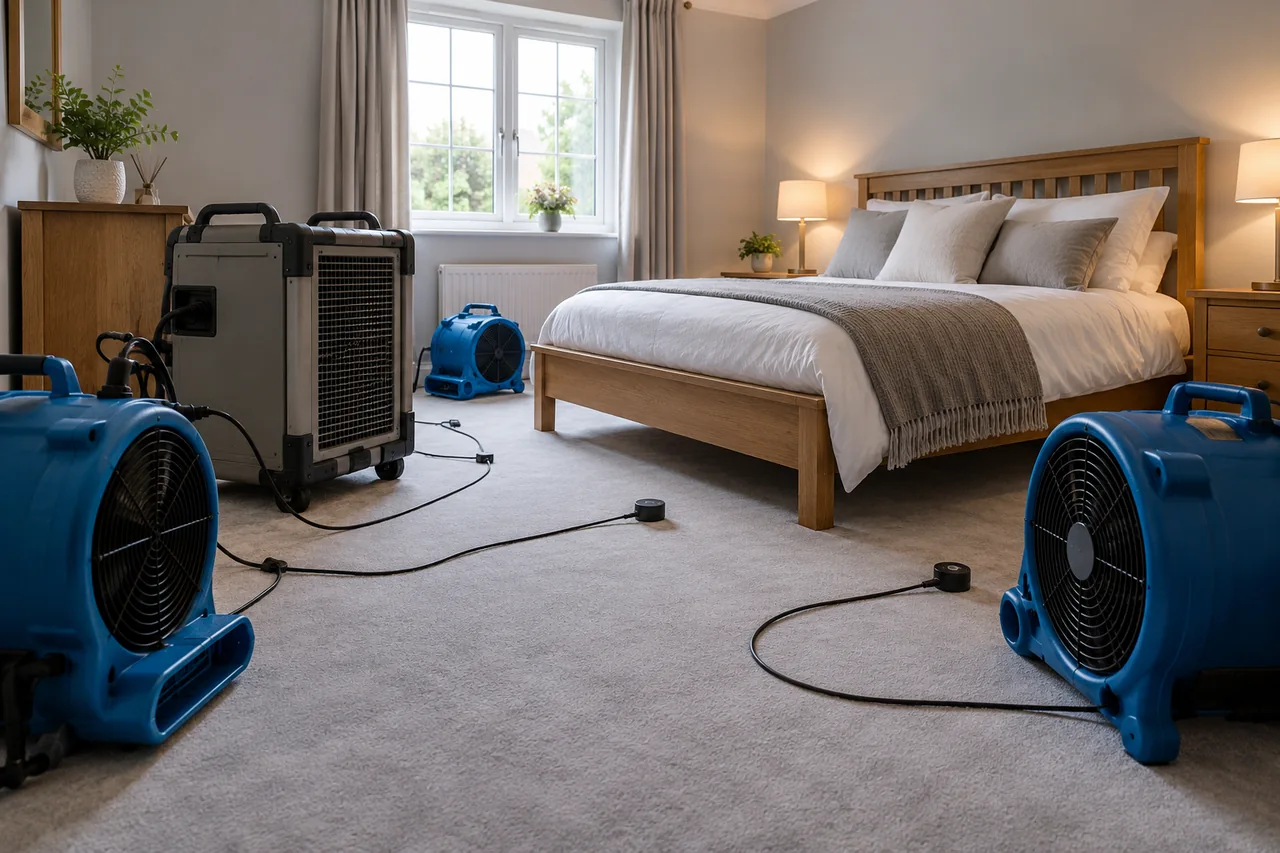
Electric treatment heaters, air movers and sensors in a bedroom.

INSECT CONTROL

Bed Bug Heat Treatment

Assess the room before selecting heat.

What the visit considers

Heat needs suitable equipment, preparation and temperature monitoring, including difficult cold spots. Contents, building fabric and sensitive belongings affect suitability. The technician explains what must be removed, whether complementary methods are needed and how activity will be reviewed afterwards.

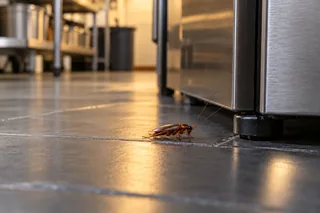
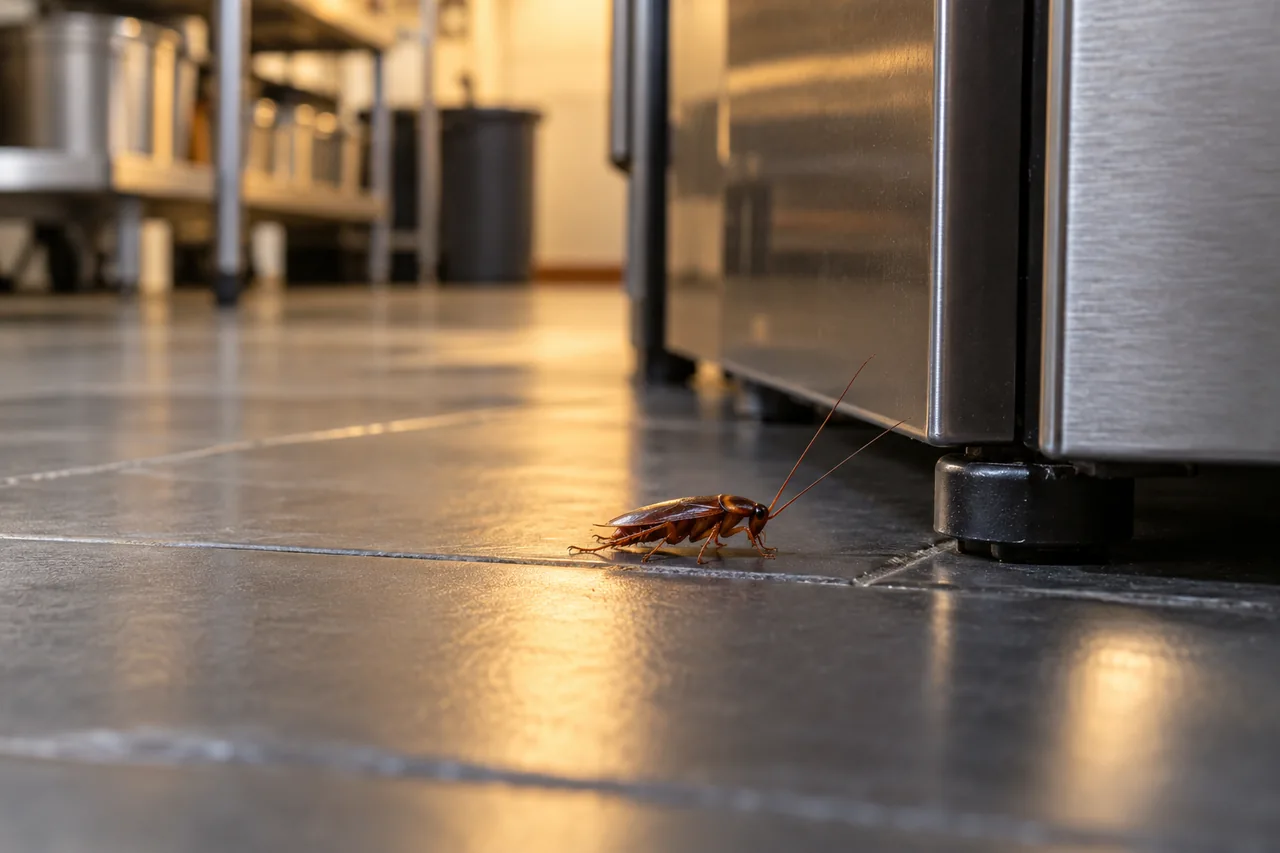
German cockroach beside a stainless-steel fridge.

INSECT CONTROL

Cockroach Treatment

Find warmth, water and harbourages.

What the visit considers

Warm appliances, pipe runs and sheltered cracks guide inspection and monitoring. Identification helps select targeted control. Cleaning, leak repairs and access behind equipment support treatment. Businesses should explain food handling, operating hours and cleaning routines before the work is planned.

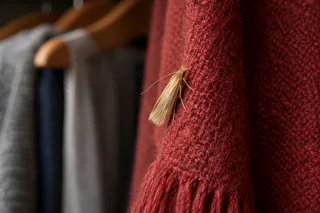
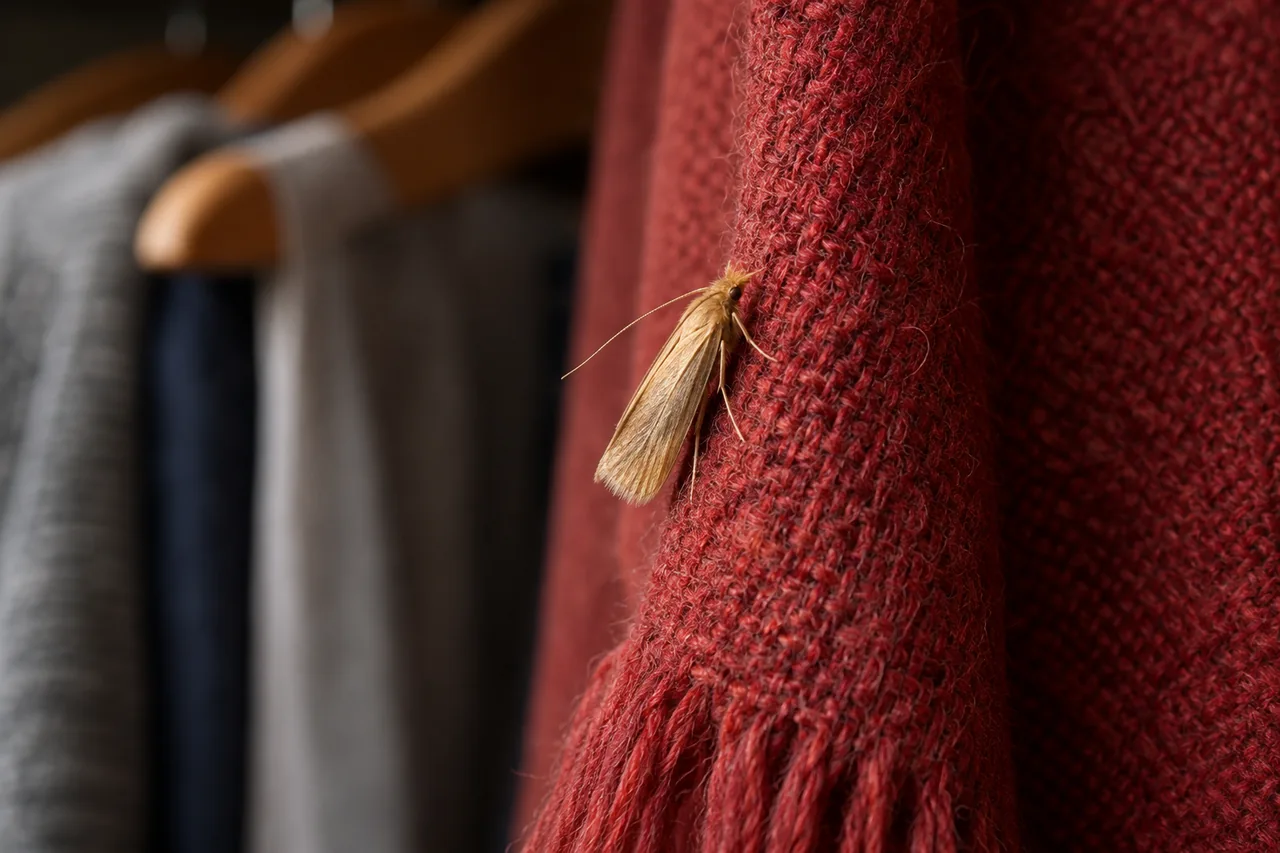
Golden clothes moth on a muted red wool scarf.

INSECT CONTROL

Moth Control

Locate the feeding source.

What the visit considers

The moth species and its larval food source determine the inspection. Natural-fibre clothing, carpet edges and quiet storage may need checking. Management can combine cleaning, careful textile handling, monitoring and targeted treatment. Adult moth sightings alone do not reveal where damage starts.

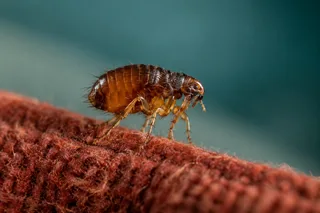
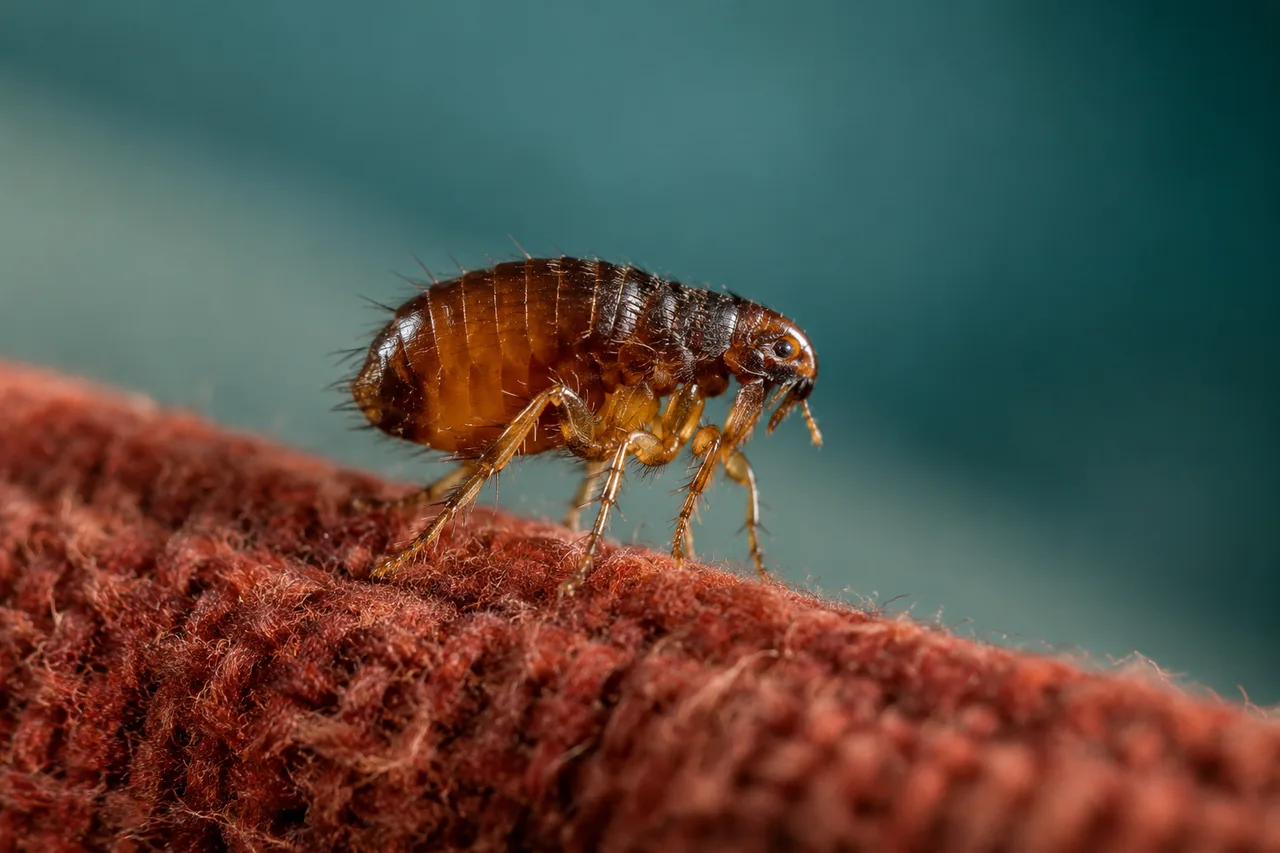
Side view of a flea on a terracotta-coloured pet cushion.

INSECT CONTROL

Flea Treatment

Consider resting areas and life stages.

What the visit considers

Inspection considers sightings, soft furnishings and pet resting places. A vet should advise on animal treatment; treating rooms does not replace it. Vacuuming, laundry and cleaning intervals depend on the premises method. Developing stages can influence further sightings and follow-up timing.

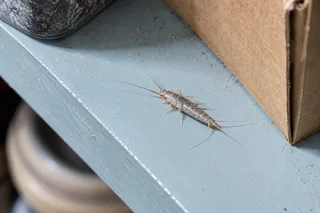
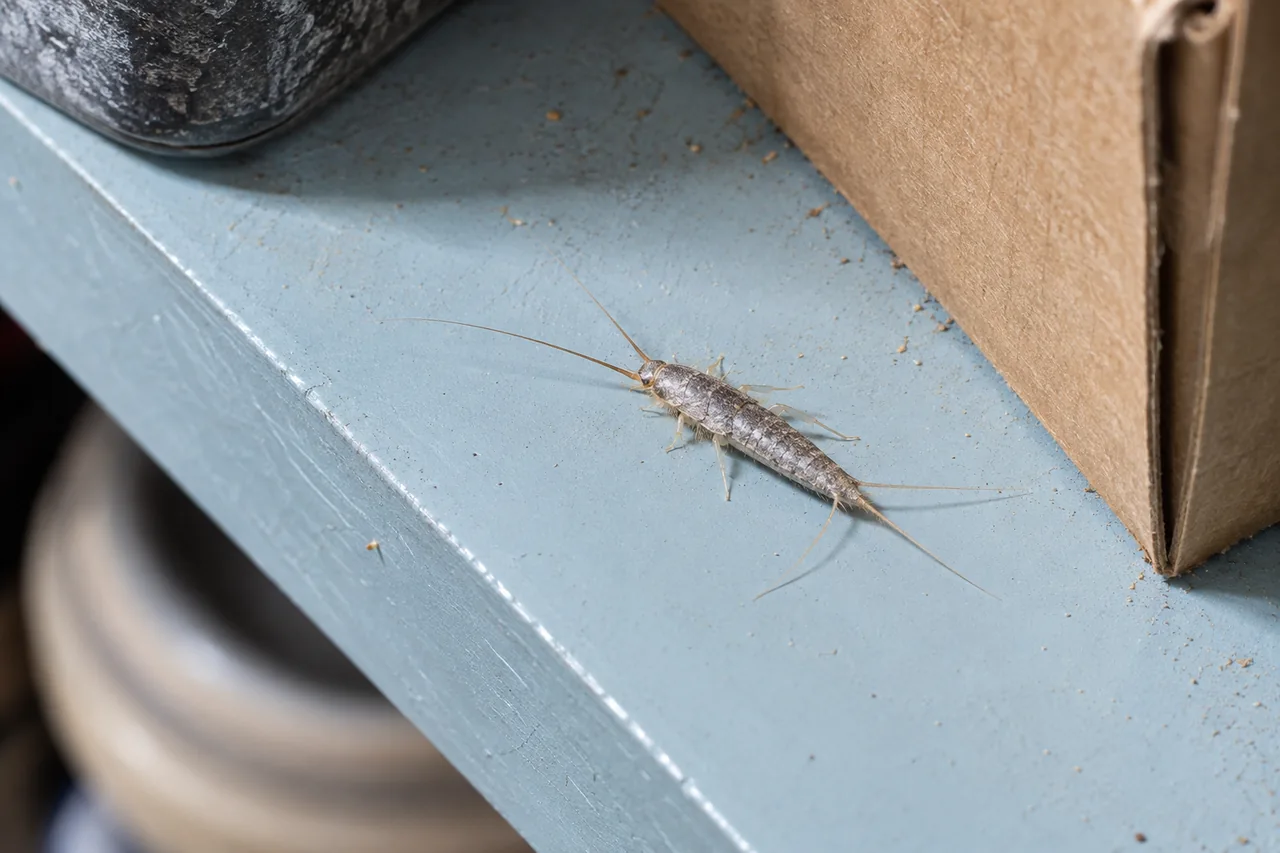
Silverfish on a pale blue utility shelf beside a storage box.

INSECT CONTROL

Silverfish Control

Check the conditions as well as the insect.

What the visit considers

Accessible cracks, damp areas and stored materials help define silverfish activity. Moisture repairs or better ventilation may be needed alongside targeted control. Record where and how often insects appear so the technician can distinguish isolated sightings from wider activity.

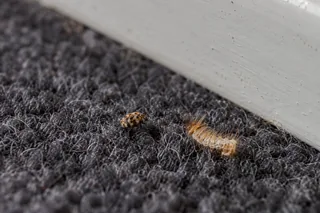
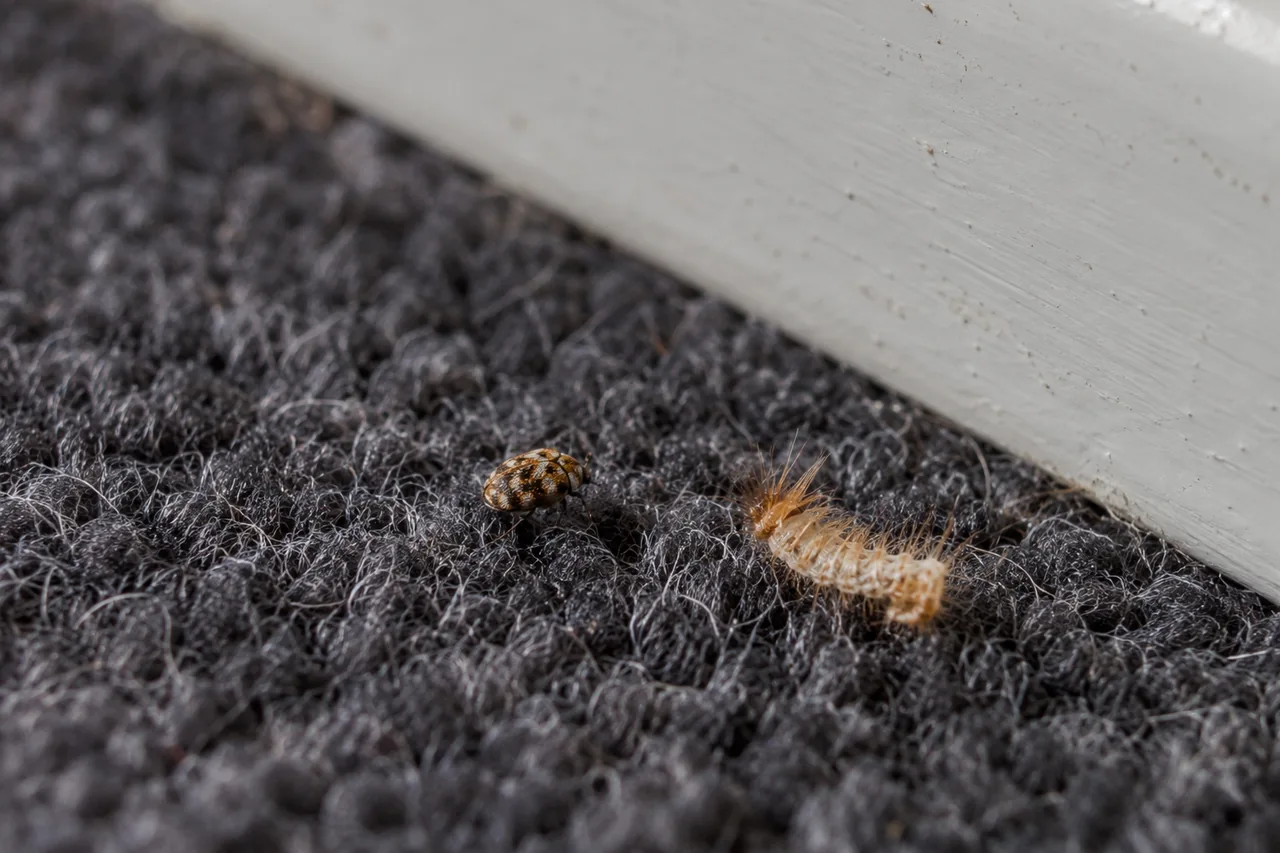
Varied carpet beetle and cast larval skin on wool carpet.

INSECT CONTROL

Carpet Beetle Treatment

Follow the larvae and affected fibres.

What the visit considers

Larvae, cast skins and damage guide checks of carpet edges, stored fabrics and undisturbed debris. Adults at a window do not locate the source. Cleaning, careful handling of belongings and targeted treatment are considered together, followed by checks for continuing activity.

CLEAR SCOPE BEFORE YOU BOOK

Pest Control Prices in Pinner

Your quotation depends on the pest, evidence, affected areas and access. The full price and included work are agreed for your property before treatment begins.

Pest control quotation factors and scope to confirm
Quotation factorWhat to explainWhat to confirm
Pest and evidenceSightings, affected items and previous attemptsIdentification and inspection scope
Property and accessRooms, shared areas and concealed locationsAreas included and safe access arrangements
Treatment and preparationOccupants, pets and sensitive materialsSuitable method, responsibilities and restrictions
Review and total costMonitoring needs and unresolved sourcesIncluded visits, VAT and any additional charges

Ask whether inspection, equipment, treatment and return visits are included. Specialist heat work, wildlife-related access, proofing, textile care and building repairs may need separate assessment.

FROM FINDINGS TO A PLAN

How We Decide What Treatment Is Suitable

Pest controllers in Pinner need to consider the species, spread, building fabric and the people using the space. We explain which method fits those conditions, where equipment will go and what it cannot resolve. The agreed work may involve monitoring, trapping, secured bait placements, targeted products or specialist heat equipment.

Tell us about children, pets, aquariums and individual access or health concerns before treatment. Product-specific instructions determine ventilation, cleaning and room access. During treatment, placements are made in the agreed areas and the technician explains restrictions. Do not move equipment or add household sprays without advice.

Pest inspection, treatment planning and follow-up comparison
Pest problemInspection focusTreatment considerationsFollow-up
Mice & ratsRoutes, droppings, food and accessSecure trapping or baiting where suitable; proofing after assessmentCheck activity and remaining entry routes
SquirrelsSpecies, roof access and nesting evidenceLawful species-specific control; consider dependent youngConfirm exclusion timing and repairs
Bed bugsBeds, seams and connected roomsTargeted methods; heat where suitable, with monitored temperaturesReview evidence; further visits may be needed
Cockroaches & fleasHarbourages, moisture or resting areasTargeted premises control; address sources and preparationMonitor activity and relevant life stages
Moths, beetles & silverfishLarvae, fibres, stored items and dampSource removal, cleaning and suitable targeted controlCheck damage, sources and moisture conditions

WHEN ACTIVITY NEEDS PROMPT ATTENTION

Emergency Pest Control Pinner

Pests around food preparation, repeated rodent activity or suspected bed bugs in sleeping areas warrant a prompt assessment. Call with the location, signs, affected rooms and any vulnerable occupants. A photograph may help prepare for the inspection. Protect food and keep children and animals away from suspect material while awaiting advice.

Availability and urgency are discussed by telephone. We do not promise round-the-clock attendance or a same-day visit before checking the situation.

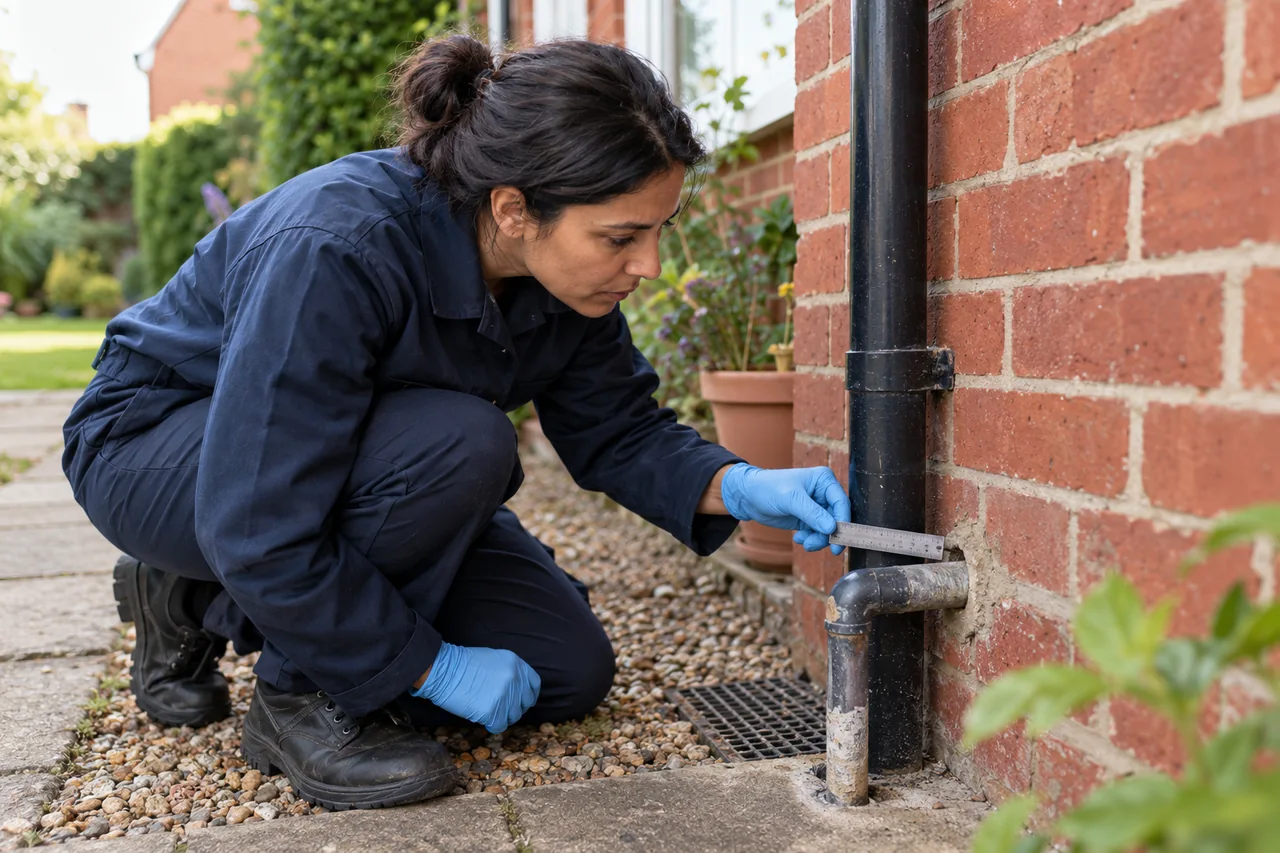
Technician examining a pipe entry gap at a brick exterior wall.

BEFORE YOUR VISIT

Preparing Your Property

Preparation should fit the pest and method. Open the relevant notes, then confirm the instructions for your appointment.

Mice, rats or squirrels

Make requested cupboards and access points available where safe. Keep photographs of signs and labels from previous products. Do not disturb nesting material or seal active openings before assessment.

Bed bugs and heat treatment

Ask for the method-specific checklist. Avoid moving unbagged bedding or furniture between rooms. Agree laundry handling and removal of heat-sensitive belongings; do not improvise with domestic heaters.

Fleas, moths and carpet beetles

Identify affected textiles and animal resting areas. Ask which cleaning, vacuuming or laundry steps should happen before treatment. Keep potentially affected items contained until handling instructions are clear.

Cockroaches and silverfish

Discuss access behind appliances, food storage and damp areas. Explain business cleaning routines or operating restrictions. Report leaks and ventilation problems that may need maintenance alongside treatment.

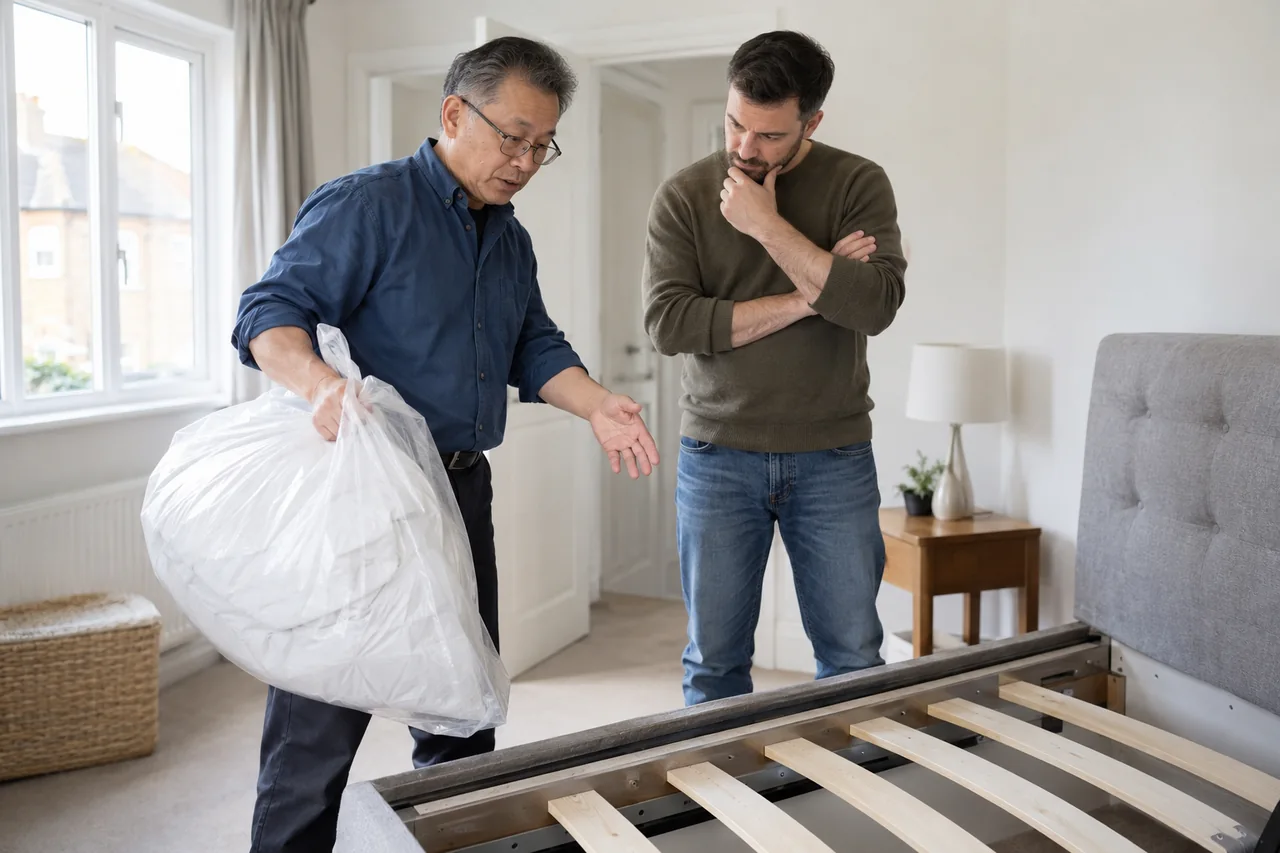
Technician discussing bagged linen and access beside a bed frame.
Technician explaining a secured monitoring station to a resident.

AFTER TREATMENT

Clear instructions. Useful observations.

After treatment, follow the instructions for access, ventilation and cleaning. Keep stations and monitoring devices in place. Some methods and pest life cycles mean activity needs assessment over time rather than a judgement from one sighting.

Record dates, rooms and photographs of further signs. Agree when to report them and whether a review is included or separately priced. Prevention can involve food storage, waste handling, removing textile debris, repairing moisture problems and closing assessed entry routes. Building repairs may require another contractor.

PINNER / HA5 / WEST LONDON

Pinner Coverage

Give your full postcode so coverage and availability can be checked for the address. Pinner Village, Pinner Green and nearby HA5 streets include older houses, flats and business premises with different access requirements. Tell us about shared areas, locked spaces or landlord permissions. The map shows the locality, without implying an office address or travel time.

Pinner and the surrounding HA5 locality.

Loading this external map sends technical data, including your IP address, to OpenStreetMap.

Map not loaded. No connection is made to OpenStreetMap until you choose Load Pinner Map.

© OpenStreetMap contributors · Locality map, no office marker

BEFORE YOU ARRANGE A VISIT

Frequently Asked Questions

Can a photograph confirm the pest?

A clear photograph can narrow identification, especially with location and scale. Specimens or an inspection may still be needed. Bites and noises alone do not confirm which pest is responsible.

How much does pest control in Pinner cost?

The price depends on identification, affected areas, access, the suitable method and any review visits. Ask for the complete property-specific quotation, including preparation, VAT and additional charges. Agree the scope and total before booking.

Must everyone leave during treatment?

That depends on the actual method and occupants. Explain children, pets and individual needs beforehand. Confirm room access and ventilation instructions for the visit; there is no universal re-entry time.

Will one visit resolve the problem?

Some situations require monitoring or further treatment. Bed bugs, pest life stages and unresolved sources can affect the sequence. Ask what follow-up is recommended and whether it is included.

Should I discard infested furniture?

Ask before moving or discarding furniture. Uncontrolled movement can spread bed bugs, and some belongings may be treatable. Discuss containment, handling and disposal as part of the plan.

Can you inspect rented or shared properties?

Explain who can authorise treatment and provide access. Shared service routes or common areas may need landlord or managing-agent involvement. We distinguish findings in inspected areas from spaces that remain inaccessible.

SPEAK TO US ABOUT YOUR PROPERTY

Tell us where the signs begin.

For pest control in Pinner, describe the activity and your postcode. We will discuss the next inspection step and current availability.

Call +44 20 3966 2547 ↗