




COCKROACH TREATMENT / PINNER, HA5
Cockroach Treatment Pinner
Identify the cockroach and the harbourages supporting activity.
- Identify cockroaches from specimens and supporting signs
- Inspect warm appliances, pipe runs and sheltered cracks
- Assess food, water and cleaning conditions around harbourages
- Coordinate access with food handling and opening hours
- Use monitoring evidence to guide subsequent control decisions

COCKROACH TREATMENT
INSPECTION → PLAN → REVIEW
A cockroach near an appliance is a starting point for inspection, not a complete treatment scope. Describe the sightings in your Pinner home or business so warm hiding places, water sources and connected rooms can be assessed before an appropriate method is discussed.

Identify the insect before selecting a plan
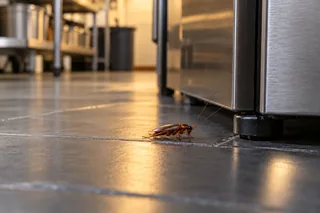
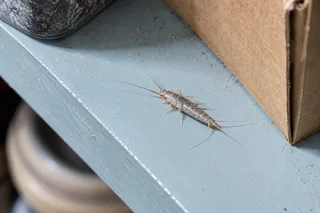
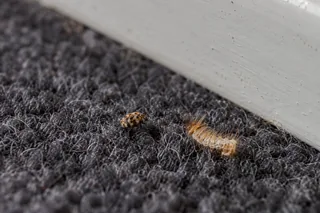
Cockroach species and stages can differ in appearance and the conditions they favour. The technician considers a specimen or detailed image alongside droppings, cast material, harbourage evidence and the pattern of sightings. A small insect in a kitchen should not automatically be labelled a cockroach, and an adult alone does not reveal the whole distribution. Explain whether surfaces were recently cleaned or sprayed, because those actions may alter the evidence available. The inspection should state what supports identification, what remains uncertain and whether monitoring is needed before the scope or method is finalised.
Inspect warmth, moisture and available shelter
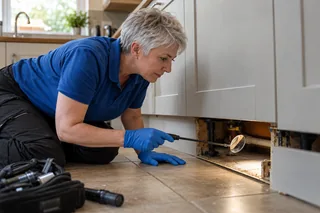
The survey may focus on warm appliances, sink and pipe areas, food storage and quiet edges where insects can shelter. The technician should relate those conditions to the identified species and evidence instead of treating every damp or warm place as an active harbourage. Explain the timing of cleaning, access beneath units and any leaks awaiting repair. In a business, bins, stores and adjoining staff spaces may affect the scope. The resulting plan should distinguish confirmed areas from places requiring further checks and record any operational limit that prevents a complete inspection.
If a different insect is associated with stored materials or moisture, compare Silverfish Control Pinner.
Explain the building use and sighting pattern
Tell us where cockroaches have appeared, when they are usually seen and whether the area handles or stores food. A home kitchen, restaurant preparation room and shared utility space have different access and operating constraints. Mention deliveries, equipment changes, leaks and previous pest products without assuming that any one event caused the activity. Clear photographs or a safely retained specimen can help prepare for identification. The initial discussion should establish who controls the affected spaces, which appliances are fixed and whether inspection can happen without disrupting food safety or exposing occupants to unsuitable access.
Follow accessible links behind the equipment
Pipe penetrations, service cupboards, appliance edges and sheltered cracks can connect activity between rooms. The technician checks accessible areas and explains which locations remain concealed behind fixed equipment or construction. Do not pull out a gas appliance, interfere with wiring or enter a void to create access yourself. In shared buildings, a riser or adjoining preparation area may need permission from another occupier or managing agent. A useful survey describes the relationship between harbourages and routes rather than assume that a visible insect entered from the nearest door or delivery.

For larger signs around waste areas and building edges, see Rat Control Pinner.
| Observation | What is assessed | Planning consequence |
|---|---|---|
| Insect beside a warm appliance | Identification and accessible shelter | Direct checks to relevant harbourages |
| Signs near pipework | Moisture and connected routes | Consider maintenance and adjoining access |
| Activity in a food store | Food protection and distribution | Define the occupied work areas to include |
| Evidence after cleaning | Timing and previous product use | Interpret what remains before judging extent |

Consider targeted treatment and monitoring together
Depending on the identification and setting, suitable control may involve targeted products, appropriately positioned monitoring devices and actions that reduce food, water or shelter. A gel, spray or other method is not automatically appropriate to every surface or work area. Ask the technician to explain the purpose of each proposed measure and how it fits with cleaning routines. Previous household sprays or unknown products can affect the discussion and should be disclosed. The treatment plan should address the evidence in the actual harbourages, not simply apply a product wherever an insect has briefly been seen.
Coordinate work with the way the room operates
Before treatment begins, agree the work area, food handling arrangements and access to relevant equipment edges. Inspection tools may include a torch, mirror and suitable monitors; the actual treatment equipment depends on the selected approach. The technician should explain which placements or surfaces must remain undisturbed and how the work will be reviewed. In a commercial kitchen, staff need a consistent account of restrictions and cleaning instructions. Any interruption to equipment use, production or access should be planned rather than discovered after application. Additional work in inaccessible construction or adjoining premises may need a separate scope.
For the wider enquiry, inspection and aftercare approach, visit the Pinner homepage.
PREPARATION & ACCESS
Preparing for cockroach treatment
Prepare food areas without erasing the account
Keep a record of sightings and retain information about any earlier pest-control products. Ask which cupboards, floor edges or appliance areas need access and which cleaning should be completed before the appointment. Protect food and food-contact items according to the agreed instructions. Do not dismantle unfamiliar equipment or move heavy appliances simply to clear the room. If cleaning is carried out by another team, share the preparation plan so it does not conflict with the inspection or remove placements later. Explain any areas that cannot be made available at the proposed appointment time.
Agree restrictions for occupants and food handling
Tell the technician about children, pets and individual access needs, and explain who uses the affected kitchen or store. Authorised product instructions and the actual application determine the precautions, including food protection, re-entry and cleaning restrictions. There is no universal rule that every treated surface can be used immediately. Ask how staff or residents will know which areas to avoid and who should receive the aftercare information. Do not wash away, move or spray over professional placements without advice. If a leak or equipment defect needs another contractor, coordinate that work with the control plan.

Review activity in the harbourages
A review can compare sightings and monitoring evidence with the starting position, taking account of cleaning, equipment use and any areas that were inaccessible. Keep a dated record of the room and precise location rather than reporting only that cockroaches were seen somewhere on the premises. The technician can explain whether further treatment, adjusted monitoring or wider access is appropriate. Ask which return visits are included and what changes should be reported sooner. A temporary reduction in visible insects should not automatically be treated as proof that every harbourage or supporting condition has been resolved.
Keep the inspection findings connected to maintenance
Prevention may involve secure food storage, suitable waste handling, cleaning inaccessible debris where safe and repairing identified moisture or building problems. The relevant actions depend on the species and the actual site; a generic instruction to clean more is not an adequate explanation on its own. Discuss who controls appliance access, shared stores or service openings. In a business, deliveries and cleaning routines can be included in a practical reporting process without assuming they are the source. The aftercare recommendations should identify the specific conditions found and explain when renewed activity needs another assessment.
QUOTATION SCOPE
What affects your cockroach treatment quote?
Cockroach-treatment quotations depend on the identified species, affected rooms, harbourage access and the monitoring or return work proposed. Food premises can require arrangements around cleaning, equipment and operating hours. Building repairs or work in an adjoining unit may have a separate scope. Ask which areas and visits are included, how placements will be reviewed, and whether VAT or access charges affect the total. An exact quotation should reflect those requirements rather than a guessed flat price for every kitchen.
| Requirement | Specific consideration | Quotation detail |
|---|---|---|
| Equipment access | Fixed appliances and service connections | Who provides safe access to concealed edges |
| Food handling | Preparation, operating hours and restrictions | Agreed work period and protection instructions |
| Cleaning coordination | Placements and surfaces that must remain undisturbed | Information for residents or cleaning teams |
| Monitoring and return work | Evidence in harbourages and previously inaccessible areas | Included reviews and further treatment costs |
To discuss food-area access and operating restrictions, use Contact Us.
PROMPT ASSESSMENT
When cockroach treatment needs prompt attention
Request a prompt assessment where cockroach evidence affects food preparation, stored food or an occupied business. Describe the exact areas, recent sightings and any operating restrictions. Protect food and avoid adding unplanned products while the situation is assessed. The response and appointment availability are confirmed for the address, without assuming round-the-clock or guaranteed attendance.
QUESTIONS ABOUT THE VISIT
Cockroach Treatment: your questions
Why does cockroach identification affect the inspection?
Different cockroaches and life stages can favour different conditions and harbourages. Identification helps direct the checks and the method discussion. A photograph or specimen should be considered with the location and supporting signs rather than treating every small kitchen insect as the same pest.
Must I move the fridge or cooker before the appointment?
Ask which access is needed and explain whether the appliance is fixed or connected to gas, water or electrical services. Do not disconnect unfamiliar equipment or move a heavy unit unsafely. Some access may need a separate competent contractor or a different inspection arrangement.
Can ordinary kitchen cleaning interfere with treatment?
Cleaning remains important, but its timing and method need to fit the actual plan. It can remove placements or affect treated surfaces if done contrary to instructions. Make sure residents or cleaning staff know what should remain undisturbed and whom to contact with questions.
Should the business close for a fixed number of hours?
No universal period applies. The selected method, products, food handling and room use determine restrictions. Discuss operating hours before booking and obtain clear instructions for the actual work. A website cannot establish a safe re-entry or reopening time for every treatment.
What should I report between visits?
Record the date, exact location and type of evidence, including whether it came from an agreed monitoring point. Mention cleaning, leak repairs or equipment movement that changed the setting. Those details help the technician judge progress and whether access or the control scope needs revision.
DISCUSS YOUR PINNER PROPERTY
Describe the signs. Agree the next step.
Call with your postcode, the areas affected and any access restrictions. Inspection scope, appointment availability and treatment arrangements are confirmed for the property.