

CARPET BEETLE TREATMENT / PINNER, HA5
Carpet Beetle Treatment Pinner
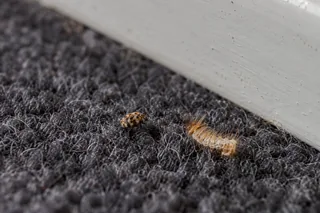
Find the larval source behind damage and cast skins.
- Identify larvae and cast skins beside susceptible materials
- Compare beetle evidence with moth-related textile damage
- Inspect undisturbed carpet margins and stored natural fibres
- Record inaccessible sources without unsafe loft disturbance
- Review fresh larval findings against photographed damage
CARPET BEETLE TREATMENT
INSPECTION → PLAN → REVIEW
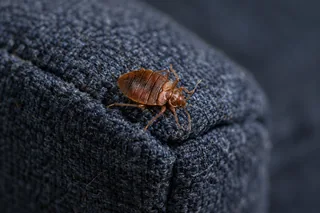
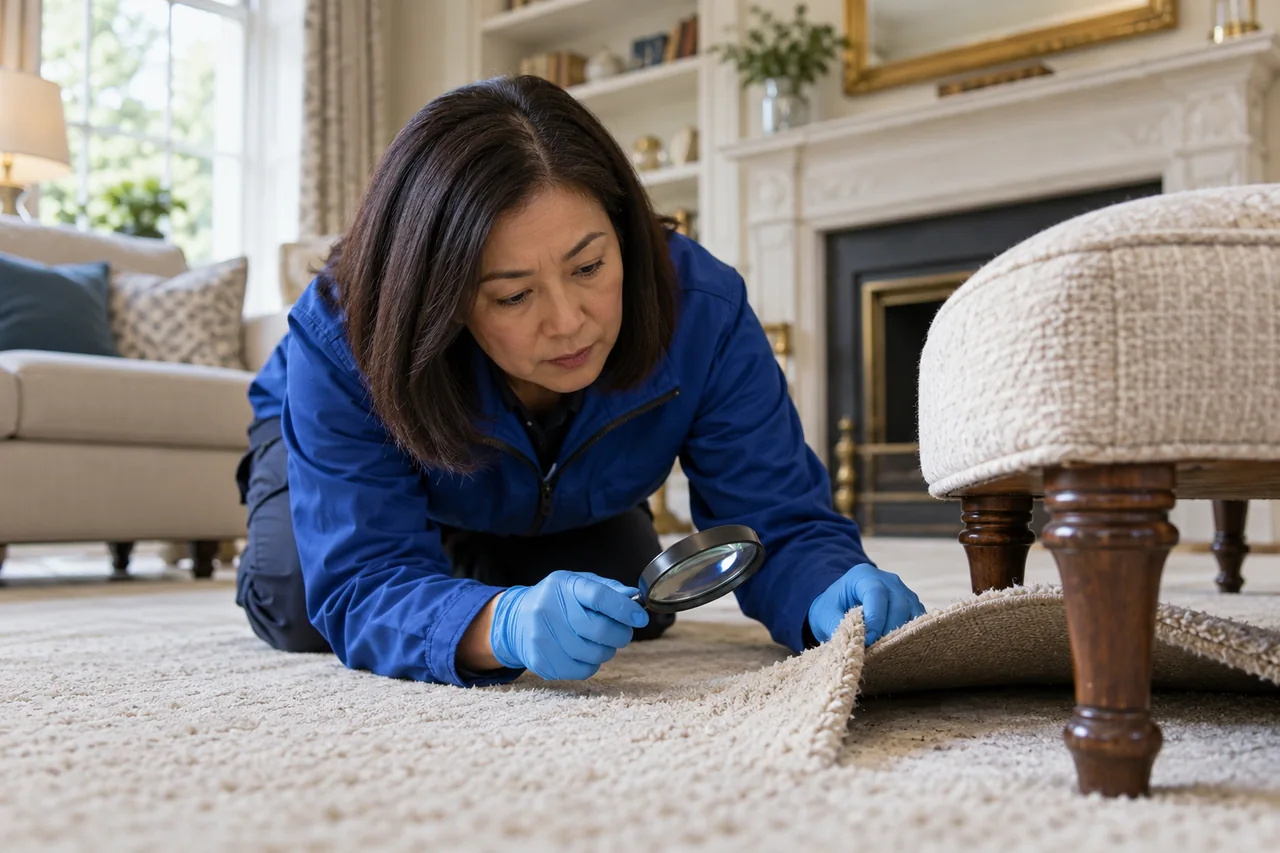
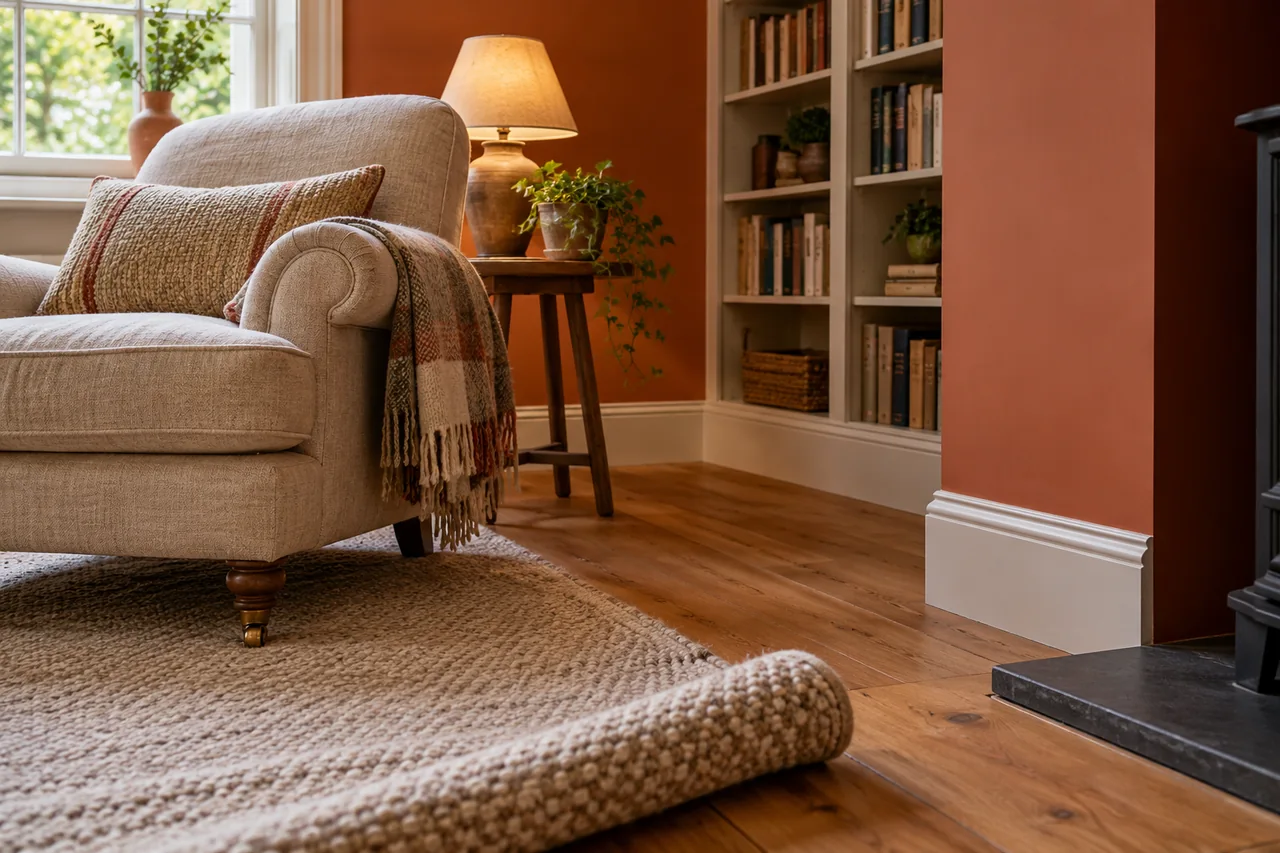
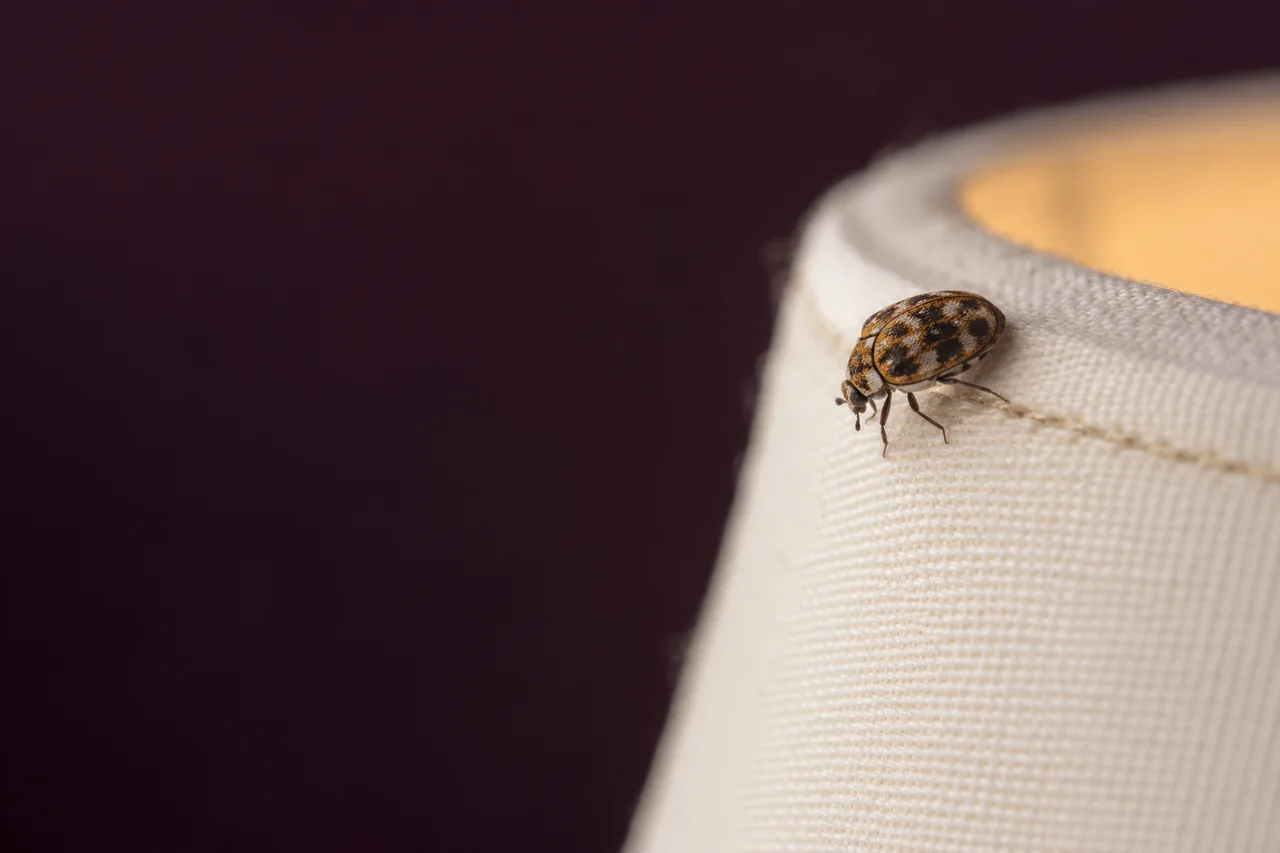
An adult beetle at a window and larvae beneath a wool rug tell different parts of the story. Inspection can identify the evidence, assess susceptible materials and distinguish an active source from old signs before treatment is planned for your Pinner property.
Look for larvae and associated cast material
Carpet beetle larvae are relevant to damage in susceptible materials, while adult beetles may be noticed away from the developing source. The technician considers identification, cast skins, larval evidence and the material affected rather than relying on a small adult alone. Clothes-moth activity and other causes of wear can prompt a similar enquiry. Preserve useful images and show where signs were first found before extensive cleaning changes the record. Ask what indicates current activity and what could be historic. Identification should guide the control discussion, including whether the evidence is sufficient to define treatment scope.
Follow relevant materials through the affected area
Natural-fibre textiles, feathers, wool and accumulated animal-derived debris may be relevant depending on the identified insect and findings. The inspection should connect that possibility with actual evidence, not declare every natural material infested. Check the history of rugs, stored clothing and rarely used upholstery where access is safe. Fibre labels can inform handling, while close inspection helps distinguish damage and debris. Separate confirmed source material, items requiring further checks and old signs that do not demonstrate present activity. This supports a targeted plan and avoids unnecessary disposal of possessions simply because they were in the same room.
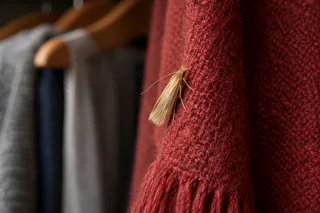
For the alternative investigation of natural-fibre textile damage, compare Moth Control Pinner.
Describe the beetle and the material concern separately
Tell us whether the concern began with adult beetles, hairy larvae, cast skins or damage to a particular article. Explain the rooms involved and where the material was stored before it was noticed. A beetle at a windowsill does not establish the location or extent of larval activity. Photographs of both insect evidence and affected textiles help prepare for the inspection. Mention rarely moved furniture, stored wool items and any safe-access limitations. The enquiry should identify what needs checking, who can authorise access and whether fragile or valuable belongings require specialist handling advice.
Examine quiet edges without assuming complete access
Accessible carpet margins, under-furniture debris, cupboard corners and stored material can provide useful inspection points. The survey should describe the areas examined and any space concealed by heavy furniture or fixed fittings. Do not lift unsafe floor sections or climb into an unsuitable loft simply to look for a source. Explain previous furniture movement and which edges have not been cleaned or opened recently. In furnished or rented premises, permissions may be needed to inspect supplied items. An honest access record is essential because apparently clear open floor does not rule out activity beneath an inaccessible article.
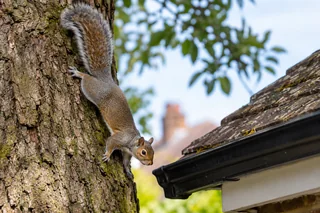
For larger animal evidence or sounds in a roof space, see Squirrel Control Pinner.
| Evidence | What it may help establish | Further check needed |
|---|---|---|
| Adult beetle at a window | An insect requiring identification | Locate any supporting larval material source |
| Larvae beside a carpet margin | A relevant area for close examination | Assess material, debris and accessible edges |
| Cast skins in stored textiles | Historic or developing-stage evidence | Distinguish old signs from fresh activity |
| Damage in a wool article | A susceptible item needing assessment | Compare insect evidence with other damage causes |
PREPARATION & ACCESS
Preparing for carpet beetle treatment
Protect articles while making inspection points accessible
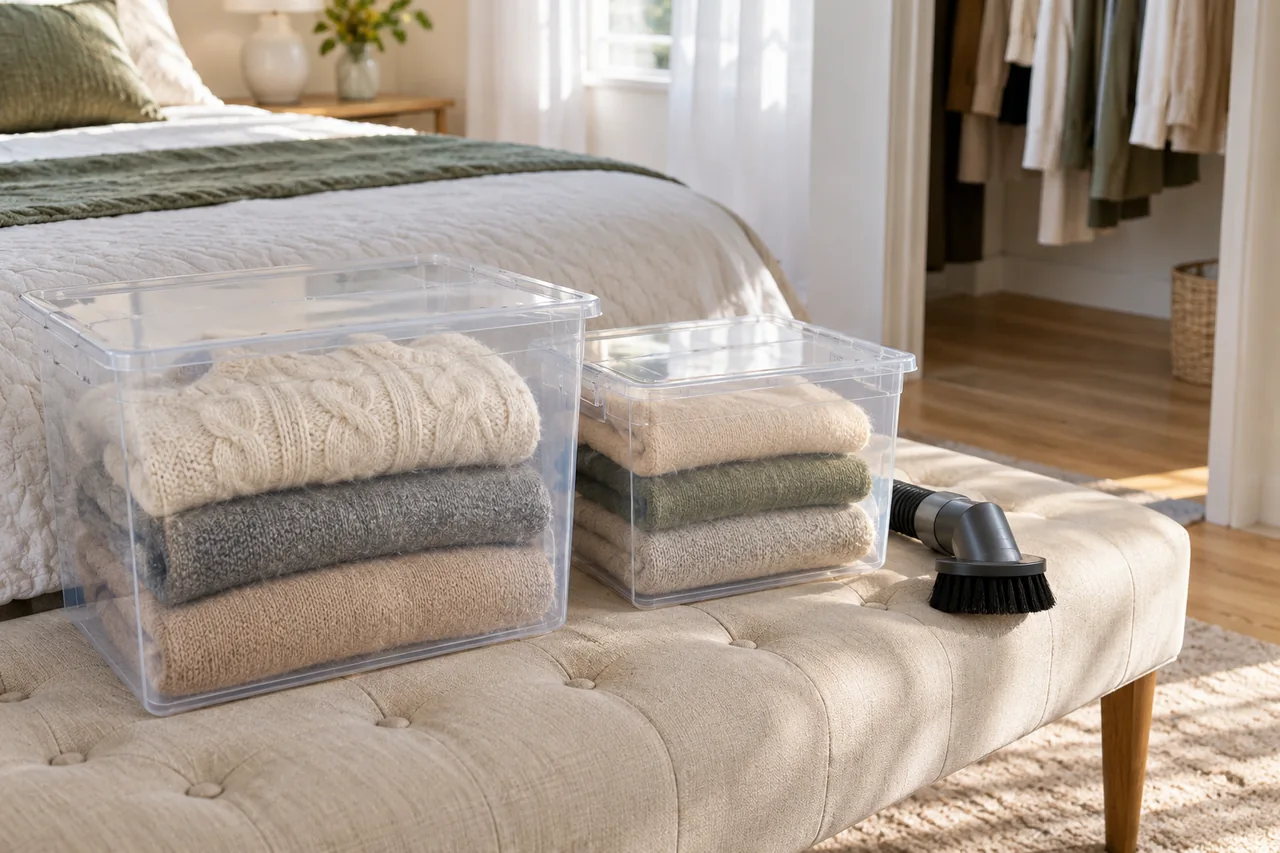
Ask which stored items or carpet edges should be made available, and avoid spreading suspect textiles among other wardrobes to clear space. Follow material care instructions and obtain suitable advice before laundering, heating or applying a product to delicate articles. Retain dated photographs of damage and insect evidence. Heavy furniture or fragile upholstery may require different access arrangements; explain those limits before the appointment. Preparation should expose the relevant locations without damaging belongings or removing every clue. If an article cannot be handled as requested, agree a practical alternative rather than improvising a potentially damaging cleaning method.
Treat high-level and wildlife sources cautiously
Possible material sources in lofts or high building areas require safe access and careful identification. A reference to feathers or an old nest does not authorise disturbing an active bird nest. Explain any wildlife activity, protected access issue or uncertainty to the technician and obtain appropriate advice before removal work is considered. Do not climb to roof edges or disturb electrical and insulation hazards yourself. For premises treatment, disclose children, pets and individual access needs. The actual method and product instructions determine precautions, cleaning and re-entry restrictions; these cannot be reduced to a universal waiting period on a website.
For the wider treatment planning and prevention approach, visit the Pinner homepage.
Plan source management before broad application
Suitable control may involve removing or carefully cleaning an identified source, appropriate handling of affected articles and targeted premises treatment where justified. The method depends on the insect, material condition and accessible area. A broad household spray does not necessarily address larvae inside stored material or debris beneath furniture. Ask which measure addresses the source and which supports monitoring or wider control. Any product must be authorised for its intended use and suitable for the location. Valuable textiles may need separate specialist care, and the premises quotation should make those limits clear before work is agreed.
Keep the treatment record linked to the source
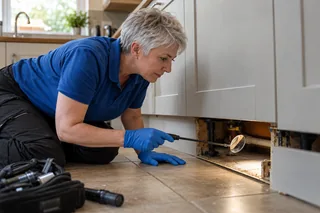
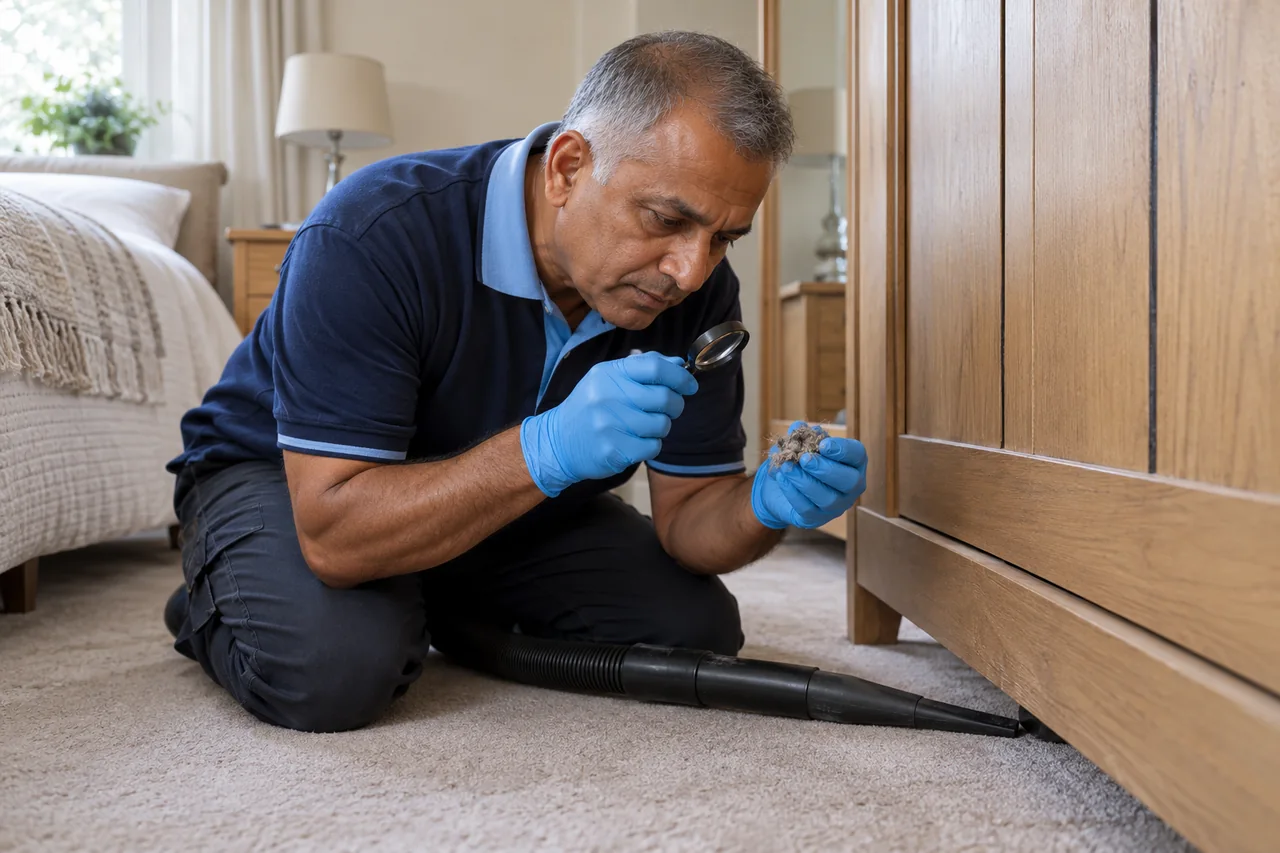
Agree the floor margins, storage spaces or relevant items included before work begins. The technician should explain what evidence was found, which areas receive attention and which remain inaccessible. Inspection tools may support close examination of fibres and concealed edges; application equipment depends on the selected approach. Do not assume a room visit includes washing or restoring every textile. Confirm how suspect items will be contained and who manages their cleaning or disposal. Recording the source and the work helps interpret later findings, especially when old cast skins or historic carpet damage remain visible after the plan has started.
Compare fresh larval evidence with the original record
A review should consider newly found larvae, dated locations and changes in susceptible material as well as the work completed. Old holes and cast skins can remain after activity has changed, so their continued visibility is not a complete measure of success. Keep photographs of specific edges or articles and explain what was cleaned or moved. Ask which findings should be reported sooner and whether additional source access is needed. Further work may be appropriate where an affected item was not included or preparation was incomplete. Confirm the included review arrangements rather than infer a guaranteed outcome from the first visit.
Checking stored textiles and quiet carpet edges
Aftercare can include appropriate routine attention to quiet carpet margins, cleaning relevant debris where safe and checking natural-fibre items before long storage. The useful actions should follow the source found, not a generic instruction to spray every room periodically. Store suitably cleaned articles in appropriate containers and avoid returning suspect material unchanged to an assessed area. Keep the inspection record so later evidence can be compared with the same locations. If adult beetles reappear at a window, record them without assuming that the earlier source has returned; fresh identification and material checks may be needed to explain the new pattern.
QUOTATION SCOPE
What affects your carpet beetle treatment quote?
The quotation is based on the evidence, affected materials, rooms and access required. Stored garments, rugs and concealed carpet margins may involve different preparation or separate textile-care arrangements. Ask whether identification, inspection, targeted treatment, monitoring, review visits and VAT are included. Work involving difficult access or another contractor must be specified separately rather than assumed. Agree the full scope and amount, including the handling of affected articles and any charges for additional source investigation.
| Work area | Specific limitation | Agree in the quotation |
|---|---|---|
| Natural-fibre articles | Care labels and fragile materials | Who handles cleaning or specialist item care |
| Under furniture | Weight and concealed carpet margins | Safe access and areas remaining inaccessible |
| Loft or high-level material | Wildlife and access restrictions | Separate assessment before any disturbance |
| Source review | Old skins versus newly found larvae | Included checks and further investigation charges |
To describe larvae, stored textiles and difficult access, use Contact Us.
PROMPT ASSESSMENT
When larvae are found in several stored items
Contact us with photographs and the locations of fresh larvae or expanding textile damage. Keep suspect articles together and avoid unverified chemicals or heat on valuable materials. Mention any source that appears inaccessible or associated with wildlife. Access arrangements and appointment availability are confirmed for the property.
QUESTIONS ABOUT THE VISIT
Carpet Beetle Treatment: your questions
Does an adult beetle at the window prove carpet damage?
No. Adult sightings and the location of developing larvae are different evidence. The inspection should identify the insect and check susceptible materials for larvae, cast skins and associated damage. Record the window sighting, but show any affected item rather than assume the entire carpet requires treatment.
How is this different from clothes-moth damage?
Both concerns can involve susceptible textiles, but the insect evidence and developing stages differ. Clear images, larvae, cast material and the affected article help identification. Do not choose a moth product solely from the appearance of a hole; the plan should address the pest and source actually found.
Should every damaged garment be thrown away?
Not automatically. Condition, material care requirements and evidence of activity should guide handling. Ask how to contain suspect articles and whether suitable cleaning or specialist textile advice is appropriate. Avoid moving them through unaffected storage or applying an unverified product that could cause further damage.
Can I remove a nest from the loft as preparation?
Do not disturb an active bird nest or enter unsafe high-level spaces. Tell the technician what you have observed and explain access limits. Possible wildlife-associated material requires proper assessment and lawful handling, not an assumption that any nest can be removed as part of routine preparation.
Do old cast skins mean treatment has failed?
Their presence alone cannot establish continuing activity because old evidence can remain. Keep a starting record and report newly found larvae, fresh locations and changes after cleaning or item movement. Review should connect those findings with the original source and the actual work, including any inaccessible areas.
DISCUSS YOUR PINNER PROPERTY
Describe the signs. Agree the next step.
Call with your postcode, the areas affected and any access restrictions. Inspection scope, appointment availability and treatment arrangements are confirmed for the property.