
FLEA TREATMENT / PINNER, HA5
Flea Treatment Pinner
Connect flea evidence with resting areas and the wider room environment.
- Locate insect evidence around animal resting places
- Map affected carpets, floor edges and soft furnishings
- Discuss former pets and changes in room occupation
- Separate premises preparation from veterinary pet care
- Record emerging activity against the agreed review plan

FLEA TREATMENT
INSPECTION → PLAN → REVIEW
Jumping insects around a sofa or recurring concern after a pet has left calls for an environmental assessment. Describe the signs and affected rooms so inspection can distinguish fleas from other causes and inform a practical premises treatment plan in Pinner.

Explain who has used the affected rooms
Describe where insects have been seen, which rooms are occupied and whether animals currently live in the property. Previous pets or a change of tenancy can be relevant even when no animal is present now. Mention long periods when rooms were unused, a recently moved sofa or changes in floor coverings. The account helps direct inspection without proving that every skin complaint is caused by fleas. Give details of the accessible floor area and who can authorise work. Ask what evidence is useful before the appointment and retain information about any household insecticide already used.
Consider stages in the environment
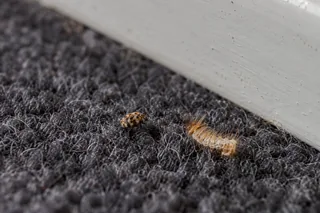
A flea problem can involve immature stages in the surrounding environment as well as adults that are easier to notice. Protected pupal stages and changes in disturbance can complicate how activity appears over time. The technician should relate this lifecycle to the actual evidence and proposed method instead of promising that no insect will ever be seen immediately afterwards. Room use, previous cleaning and earlier products affect interpretation. Record the starting pattern so later reports have context. The practical question is how the agreed control and preparation address the relevant areas, and how continuing or newly emerging activity will be reviewed.
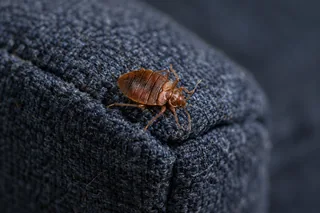
If the insect evidence points to a sleeping-area pest instead, read Bed Bug Treatment Pinner.
Confirm the insect instead of diagnosing bites
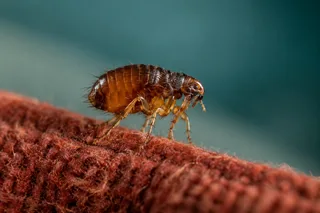
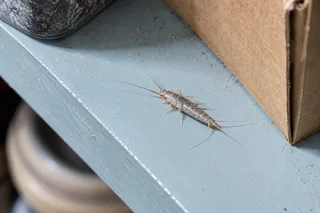
Fleas are small jumping insects, but a description of itchy marks alone cannot establish identification. A specimen or clear image, the distribution of sightings and the room history can support the inspection. Other insects and non-pest causes may produce concerns that need a different response. The technician should explain what evidence has been found and whether further observation is needed. Medical assessment of a reaction is separate from inspecting the property, just as veterinary advice is separate from choosing a premises treatment.
Follow resting and movement patterns
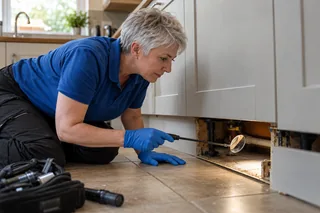
Pet beds, favoured sofa positions, rugs and accessible carpet margins are useful places to assess in relation to the reported activity. The relevant area may extend beyond the room where a flea was first noticed. Explain where animals rested previously, whether bedding was moved and how occupants use adjoining spaces. Heavy furniture or tightly stored belongings may hide floor edges, so access should be discussed rather than assumed. The resulting plan needs to identify which rooms or furnishings are included and what remains inaccessible. A single sighting should prompt a proportionate investigation, not an unsupported description of the whole building.

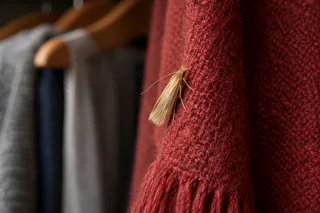
For damage to stored natural-fibre materials rather than jumping insects, see Moth Control Pinner.
| Reported situation | Context to provide | Inspection priority |
|---|---|---|
| Jumping insects beside a sofa | Animal resting and room use | Identify insects and check relevant edges |
| Concern after a tenancy change | Previous pets and vacant periods | Assess the environment as well as current occupancy |
| Activity near bedding | Where bedding was used and moved | Define affected materials without spreading them |
| Sightings during aftercare | Date, room and cleaning changes | Compare evidence with the agreed review plan |

PREPARATION & ACCESS
Preparing for flea treatment
Prepare floors and bedding in the agreed order
Ask which floor areas need clearing and how vacuuming or laundering should fit the selected treatment. The timing matters, so avoid relying on a generic internet schedule for every product. Handle animal bedding and washable articles according to their care instructions and keep suspect material contained while moving it. Do not empty cupboards or move heavy furniture unless those areas are part of the requested preparation and can be accessed safely. Tell the technician if a room cannot be cleared or a textile cannot be washed. That allows the plan to address the limit before treatment begins.
Keep animal care and premises restrictions distinct
Explain which animals live in the property and where they feed, sleep or have access. Also mention children and individual access needs. The actual product instructions determine precautions, re-entry and cleaning restrictions; there is no universal safe waiting period for all treatments. Obtain those directions before arranging to leave and return. Ask your vet about appropriate animal treatment and avoid combining pet products without professional advice. Keep premises equipment or products away from animals. Ensure everyone using the property understands the aftercare plan, especially if a pet sitter, cleaner or incoming tenant will be present.
For the overall inspection and aftercare approach, visit the Pinner homepage.
Choose premises measures for the assessed setting
Depending on identification and conditions, an appropriate plan may include directed preparation, environmental treatment and follow-up assessment. The technician should explain why the selected approach is suitable for the surfaces and affected rooms. A premises product is not a treatment for an animal, and it should never be applied to pets on the assumption that both uses are interchangeable. Discuss animal care separately with a vet. Explain earlier sprays, powders or other measures before new work is planned, because the combination and the remaining evidence matter. Confirm what the premises work covers and what requires another professional.
Understand the area and sequence of work
Before application, agree the rooms, floor edges and relevant furnishings that can be accessed. Treatment equipment and surface restrictions depend on the authorised product and selected method. The technician should explain how occupants and animals will be kept clear, which areas must remain undisturbed and what aftercare is needed. Do not assume that every mattress, garment or upholstered surface will receive the same treatment. Clarify any exclusions, inaccessible spaces and arrangements for a return assessment. A clear record of work helps interpret later sightings and prevents a second household product being added without understanding what has already been done.

Record emergence without making immediate assumptions
Aftercare should explain what observations are relevant and when to contact the technician again. Flea stages in sheltered locations can mean that later adult sightings need interpretation rather than an instant conclusion that the work failed or succeeded. Record the date, room and location of insect evidence, together with changes in occupancy, cleaning or pet care. Follow the agreed instructions rather than repeatedly applying household sprays. Ask what review is included, what would justify a revised scope and whether inaccessible areas now need attention. Progress should be assessed against the original findings and the method actually used.
Flea aftercare and animal resting areas
Ongoing management may involve appropriate veterinary care, attention to animal resting areas and suitable routine cleaning of the relevant floor environment. The inspection findings should guide those actions rather than an assumption that every household with a pet needs chemical treatment. In a rental property, share the factual history of animal occupancy and the agreed work with whoever controls access. Do not return untreated suspect bedding simply because the room looks clear. Keep the aftercare record and report a renewed pattern promptly, identifying the affected location. A change in evidence may require further inspection rather than repetition of an earlier method.
QUOTATION SCOPE
What affects your flea treatment quote?
The price is agreed for the premises work required. A quotation may depend on affected rooms, floor coverings, furniture access, preparation limits and any review visits. Veterinary treatment for animals is separate and should not be assumed to be included. Ask whether the quoted total includes inspection, application, aftercare, VAT and further visits, and how additional affected areas would change the scope. Agree the complete amount and responsibilities before proceeding.
| Part of the plan | Specific arrangement | Confirm before work |
|---|---|---|
| Floor preparation | Access, vacuuming and timing | Which actions are required for the chosen method |
| Washable bedding | Care labels and contained movement | What can be prepared without material damage |
| Animals in the property | Veterinary treatment and access restrictions | Who provides pet care and how work is coordinated |
| Environmental review | Emergence and inaccessible floor areas | Included visits and the cost of additional scope |
To explain room occupation and animal resting areas, use Contact Us.
PROMPT ASSESSMENT
When occupied rooms are difficult to use
Call to describe confirmed insect sightings and the areas affected if the concern is disrupting normal room use. Avoid spreading bedding through unaffected rooms or combining unverified products. Explain who and which animals occupy the property. The inspection arrangements and appointment availability are confirmed for the enquiry.
QUESTIONS ABOUT THE VISIT
Flea Treatment: your questions
Can fleas remain after a pet has moved out?
An environmental problem can still need assessment after animal occupancy changes. Give the previous pet history and the dates rooms were unused or occupied again. Inspection should look for insect evidence and relevant floor conditions rather than assume that no current pet means fleas cannot be involved.
Will the technician treat my cat or dog?
Premises pest-control work and veterinary animal care are different services. Ask a vet about suitable treatment for your animal. Never apply a premises insecticide to a pet or assume a household spray is appropriate because it mentions fleas. Coordinate the separate advice when planning environmental work.
Should I vacuum immediately after treatment?
Follow the instructions for the actual method and product. Vacuuming may form part of preparation or later management, but the timing should be agreed so cleaning does not interfere with the treatment. Ask how to handle collected material and what to do if the requested cleaning cannot be carried out.
Do bites prove that fleas are in the carpet?
No. Skin reactions alone do not identify the cause or establish the affected area. Insect evidence, room history and inspection are more useful for a property assessment. Seek appropriate medical advice for a health concern separately from the premises inspection, and report any actual insects with their locations.
Why could insects still appear during aftercare?
Flea development and protected stages in the environment can affect the pattern seen after work. The significance depends on the method, timing and evidence. Keep a dated location record and follow the agreed review instructions; do not interpret one sighting as a reason to add another product without advice.
DISCUSS YOUR PINNER PROPERTY
Describe the signs. Agree the next step.
Call with your postcode, the areas affected and any access restrictions. Inspection scope, appointment availability and treatment arrangements are confirmed for the property.