



SILVERFISH CONTROL / PINNER, HA5
Silverfish Control Pinner
Identify the insect and assess the conditions around the sightings.
- Compare specimens from bathrooms and drier storage areas
- Examine accessible cracks beside skirtings and pipework
- Relate moisture findings to the identified insect
- Assess paper, cardboard and other sheltered materials
- Separate building maintenance from targeted pest measures

SILVERFISH CONTROL
INSPECTION → PLAN → REVIEW
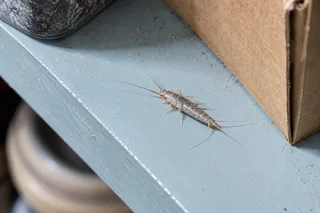
An insect moving beside a bath or among stored papers can raise different inspection questions. Tell us where and when it appears so the assessment can connect silverfish evidence with the relevant materials, shelter and room conditions in your Pinner property.
Describe the room rather than assume a damp problem
Explain where the insects appear, whether sightings happen repeatedly and if they are limited to a bathroom, utility space or several rooms. Mention stored papers, cardboard, recent building work and any known leak or condensation. Silverfish-like insects can occur in different conditions, so a sighting should not automatically be explained as a plumbing defect. A clear photograph or specimen can help with identification. Give details of access to skirtings, cupboards and service areas. The enquiry should establish what needs checking and what remains uncertain, rather than prescribe an all-house treatment before any inspection.
Assess moisture and stored materials in context
Where relevant, the survey can consider condensation, leaks, ventilation and protected spaces alongside paper, cardboard or other susceptible materials. These findings need to be related to the identified insect, not used as a universal explanation. A bathroom sighting does not prove a hidden leak, and activity among books does not establish damage to every volume. Explain how the room is heated, cleaned and used, including infrequently opened cupboards. The assessment should distinguish observed conditions from building defects requiring a separate investigation. This creates a more useful plan than a blanket instruction to buy a dehumidifier or throw stored belongings away.

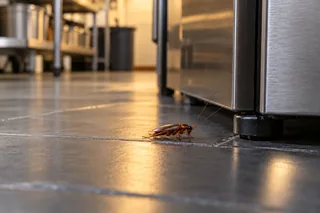
If inspection identifies a different insect around warm appliances, compare Cockroach Treatment Pinner.

Identify the silverfish-like insect
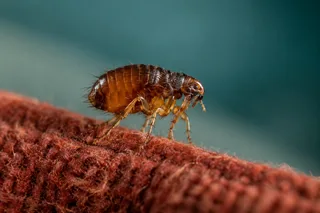
The technician considers body shape, appendages, size and other visible features alongside the setting. A photograph may be useful, although detail or a specimen can be needed to distinguish similar insects. Common silverfish and long-tailed silverfish do not necessarily present the same environmental picture; some related activity can extend into relatively dry rooms. Ask what supports the identification and whether further evidence is required. Do not infer a species solely from the room where it was found. Identification helps decide whether moisture investigation, stored-material checks, targeted control or additional monitoring deserves priority.
Inspect cracks and concealed room margins
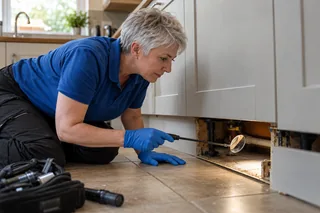
Accessible joints around skirtings, service penetrations and cupboard edges may provide shelter or links between spaces. The inspection should identify which locations can be checked safely and which remain behind fixed panels or construction. Do not remove bath panels, disturb wiring or open a service riser without appropriate permission and safe arrangements. In a flat, connected areas may be controlled by a managing agent. The plan should record those limits so an inaccessible void is not casually described as the proven source. A visible insect may have moved away from the shelter supporting activity.
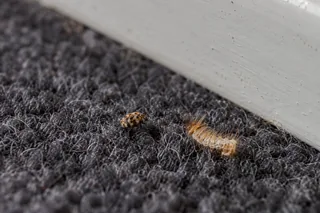
For evidence associated with damage to clothing and carpets, see Moth Control Pinner.
| Location or evidence | What should be checked | What should not be assumed |
|---|---|---|
| Repeated bathroom sightings | Identification, accessible shelter and moisture | That a hidden leak has been proven |
| Insects in a dry living area | Species and wider distribution | That every silverfish requires high humidity |
| Activity around paper storage | Relevant material and concealed edges | That every book needs chemical treatment |
| Sightings beside a service opening | Safe access and connected spaces | That the visible gap is the confirmed source |
PREPARATION & ACCESS
Preparing for silverfish control
Create access without dispersing stored material
Ask which cupboard edges or skirting areas need clearing and keep suspect stored materials together until their relevance has been assessed. Moving boxes through several rooms can make the inspection history harder to follow. Handle documents and books carefully, especially where water damage or fragility is present. Do not discard valuable items or apply powders among papers simply because an insect was nearby. Tell the technician about collections, electrical equipment and furniture that cannot be moved. A practical preparation plan identifies accessible inspection points while protecting the belongings that brought the concern to attention.
Agree precautions for occupied and sensitive spaces
Explain who uses the affected room, including children, pets and anyone needing individual access arrangements. Product instructions and the chosen method determine any re-entry, contact or cleaning restrictions. Ask how those directions apply to a bathroom, bedroom or storage room in normal use. Do not add a household product to professional placements or reach into a concealed gap to retrieve equipment without advice. Electrical fittings and damp building materials introduce access concerns that may require another professional. The aftercare information should say which actions you can undertake and which should wait for safe access or specialist assessment.

For the general enquiry and property inspection approach, visit the Pinner homepage.

Use a proportionate combination of measures
Suitable action may include monitoring, reducing relevant shelter or moisture conditions and targeted treatment where justified. The correct combination depends on identification, distribution and access. A broad spray across floors is not automatically the best response to an occasional insect. Ask what each proposed measure is intended to achieve and which findings support it. Where a product is considered, its authorisation, intended location and occupant restrictions must guide use. Maintenance or storage changes may be separate from the pest visit. Confirm whether the objective is to clarify activity first, control an established problem or review a persistent pattern.
Define the locations included in the visit
Before any treatment, agree the particular rooms, cracks or material storage areas in scope. The technician should explain the equipment used to inspect or monitor them and any limits on application near sensitive belongings. Books, documents and electronics should not be assumed suitable for direct product treatment. Record which places are inaccessible and how they affect the plan. Ask how monitoring will be positioned, how it will be interpreted and who will check it. If another contractor is needed to address a leak or concealed building condition, coordinate the work rather than treating pest control as a substitute for that repair.
Review the distribution rather than one isolated sighting
Keep a dated record of insects in identified locations and note any changes in moisture, storage or room use. Monitoring evidence can help decide whether activity is concentrated, spreading or remaining uncertain. A reduced number of casual sightings is useful context but not a complete survey of hidden areas. Ask what pattern would justify further inspection and which review arrangements are included. If insects continue in drier rooms, report that detail rather than assume the bathroom remains the only source. The assessment should respond to new evidence and identification rather than repeat an untested explanation indefinitely.
Link aftercare to the conditions actually found
Relevant prevention may involve addressing an identified moisture source, improving suitable storage, clearing unnecessary sheltered debris or keeping accessible margins open for inspection. The appropriate actions vary with the insect and property. A plumber, building manager or other contractor may need to investigate a defect separately; do not assume the pest visit includes repairs or diagnoses hidden construction. Where papers and cardboard are relevant, plan handling that preserves important material. Keep the inspection record so renewed sightings can be compared with earlier locations. This supports targeted decisions and avoids treating every later insect as proof of a new building-wide infestation.
QUOTATION SCOPE
What affects your silverfish control quote?
The quotation depends on the distribution of evidence, number of rooms, identification needs and access to relevant edges or stored materials. A moisture or building investigation may require a separate contractor and should not be presumed part of pest-control work. Ask whether inspection, monitoring, targeted treatment, review visits and VAT are included, and how newly identified areas would be priced. Agree the specific work and complete price after discussing the property.
| Scope item | Property-specific consideration | Quotation question |
|---|---|---|
| Identification and monitoring | Similar insects and uncertain distribution | Which evidence checks and reviews are included? |
| Targeted control | Suitable locations near sensitive possessions | What areas and restrictions are covered? |
| Moisture or building defects | Possible need for another contractor | Which repairs or investigations are separate? |
| Access and storage | Fixed panels, books and occupied rooms | Who provides safe access and material handling? |
To discuss rooms, stored papers and access limitations, use Contact Us.
PROMPT ASSESSMENT
When silverfish are reported among sensitive belongings
Call if repeated insect findings affect stored documents, collections or several occupied rooms. Keep a record of exact locations and protect sensitive belongings from unverified sprays or powders. Explain any known water or access problem so the next step can be planned. Appointment availability is confirmed when you enquire.
QUESTIONS ABOUT THE VISIT
Silverfish Control: your questions
Does finding silverfish prove my home has damp?
No. Moisture can be relevant, but identification and the surrounding evidence matter. Some silverfish-like species can occur in relatively dry areas. Report the actual rooms and any known leak or condensation so an inspection can distinguish observed conditions from an unconfirmed explanation of the building.
Why are insects appearing among cardboard boxes?
Sheltered storage and the materials present may be relevant to the assessment. A sighting alone does not prove every box is affected. Keep the storage history clear, avoid spreading contents through other rooms and ask what should be inspected before discarding possessions or applying a household product.
Should I remove the bath panel before the visit?
Do not remove fixed panels or disturb services unless safe access and permission have been agreed. Explain where sightings occur and whether an access panel exists. The inspection should record what can be reached and when a building manager or suitable contractor is needed for concealed areas.
Can books and documents be sprayed?
Do not assume that a product is suitable for paper, bindings or sensitive collections. Explain the materials involved and obtain specific handling advice. A premises plan should identify any restrictions and separate monitoring or room-edge treatment from specialist care of valuable or fragile belongings.
What details help if silverfish keep appearing?
Record date, room, precise location and a clear image if possible. Note changes to storage, heating, cleaning or moisture conditions. This information helps compare the distribution with the original assessment and decide whether identification, monitoring, access or the treatment scope needs further attention.
DISCUSS YOUR PINNER PROPERTY
Describe the signs. Agree the next step.
Call with your postcode, the areas affected and any access restrictions. Inspection scope, appointment availability and treatment arrangements are confirmed for the property.