
RAT CONTROL / PINNER, HA5
Rat Control Pinner
Connect outdoor rat activity with the routes that matter to the building.
- Map rat signs between waste areas and building edges
- Check burrows, gnawing and accessible ground-level openings
- Distinguish suspected drain routes from confirmed defects
- Assess control locations against pets and non-target wildlife
- Compare new activity with the original boundary findings

RAT CONTROL
INSPECTION → PLAN → REVIEW
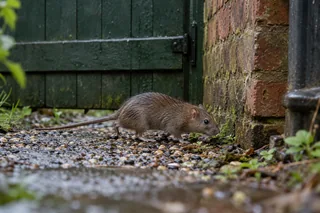
Rat sightings near a shed, bin store or kitchen require context. An inspection considers the evidence around your Pinner property, checks accessible routes and separates treatment work from drainage or building repairs that may need another contractor.

Describe where outdoor and indoor activity meet
Give the location and timing of rat sightings, including whether you have seen them inside the building or only in a garden. Mention burrows, damaged packaging, gnawing or sounds near a service area. Waste storage, feeding birds, nearby building work and a change in drainage can provide useful context, without proving a particular cause. Explain which areas you can authorise the technician to inspect. A communal bin store or neighbouring property may need separate permission. The initial conversation helps plan access and a realistic survey rather than promise a source before the evidence is checked.
Inspect the perimeter before naming a drain problem
Accessible gaps at the base of walls, damaged vents, service entries and sheltered links around outbuildings can be relevant. The technician considers how those points connect with the signs inside or around the building. Drain faults are one possible route in some situations, but they cannot be confirmed from a rat sighting alone. A drainage survey or camera investigation may require another appointment or specialist. Ask what has actually been inspected and what remains a hypothesis. Do not commission a particular repair solely because an opening looks suspicious without first understanding its relevance.
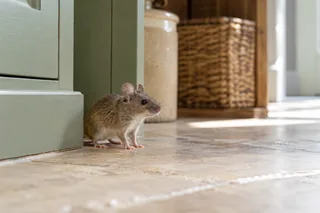
For smaller indoor rodent signs and cupboard routes, see Mice Control Pinner.
Distinguish rat evidence from assumptions
The technician considers droppings, tracks, gnawing, burrows and observed movement as a connected pattern. A photograph can help, but a sighting alone does not show where rats are nesting or entering the property. Weather, cleaning and disturbance can change the signs available during a visit. Point out the original locations before altering them, and avoid handling suspect material. The inspection should identify which findings support rat activity, which may be old and what additional evidence would resolve an uncertainty. The size of a garden or the number seen outdoors does not establish the full extent.
Set the scope for gardens, stores and occupied rooms
The distribution of evidence helps decide which accessible zones need attention. Activity around waste storage may have a different pattern from rats moving through a building void. Explain the use of a garage, shed, basement or commercial store and identify spaces that cannot be entered safely. In a block of flats, management of common areas can affect progress beyond an individual dwelling. The survey should record access limits and distinguish the treatment area from places that need further investigation. Clear boundaries make it easier to review whether later signs represent continuing or newly arriving activity.

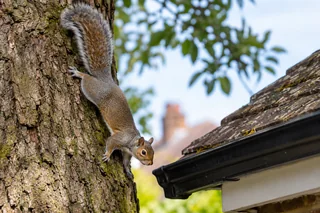
If the strongest evidence is at the roofline rather than ground level, compare Squirrel Control Pinner.
| Observation | Inspection focus | What is not established by that sign alone |
|---|---|---|
| Rat beside a shed | Boundary movement and available shelter | An indoor population or a drain defect |
| Fresh gnawing near a service | Accessible openings and connected routes | The full concealed route through the building |
| Burrow beside waste storage | Use of the area and food availability | Whether every opening belongs to the same active route |
| Activity near drainage | Accessible evidence and need for specialist checks | A confirmed defect without appropriate investigation |

Match rat-control measures to the surrounding risks
Suitable options may include protected trapping, secured baiting or monitoring, depending on the findings and the setting. Inspection determines which measures suit the assessed routes and occupants. The plan needs to consider pets, scavenging wildlife, accessible food and where equipment can be checked. Tell the technician about previous placements and any unknown products left by another person. Ask why the selected method fits the route evidence and how non-target access will be addressed. A treatment cannot repair an open drain or remove a continuing waste-management problem by itself.
Agree placements, inspection and collection arrangements
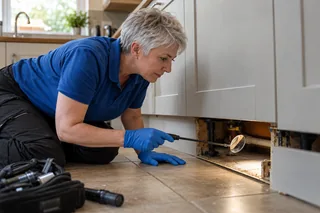
A rat-control visit should translate the findings into a clearly described work area and sequence. The technician may use a torch, inspection mirror or monitoring equipment to assess accessible locations before suitable control equipment is positioned. Explain which gates, stores or shared spaces will remain locked between visits. Equipment needs a practical inspection or retrieval arrangement; it should not be moved whenever a new sighting occurs. Ask how a damaged station, an inaccessible carcass or continuing noise should be reported. Any cleaning and disposal advice should relate to the actual situation rather than an assumed universal procedure.
For the overall enquiry and inspection approach, visit the Pinner homepage.
PREPARATION & ACCESS
Preparing for rat control
Make the perimeter inspection useful
Identify the affected boundary, outbuilding or waste area and arrange safe access to it. Secure loose food and explain bird or animal feeding rather than scattering material to expose a possible route. Do not reach into a burrow, lift unsafe decking or enter a confined space in preparation for the visit. Keep a record of where signs appeared before clearing an area. If a bin store is shared, involve whoever controls access and waste arrangements. Let the technician know about drains, fragile surfaces or stored items that could limit the inspection so the agreed scope is realistic.
Consider pets, wildlife and affected materials
Rat control near a garden or shared waste area needs particular attention to non-target animals and public access. Describe where pets roam and whether children or other residents can reach the proposed work area. The technician should explain the method-specific precautions and which equipment or material must stay undisturbed. Do not handle a suspected poisoned or trapped animal without advice, and report any disturbed placement promptly. Product authorisation and instructions govern the actual work. A general claim that all treatments are harmless to animals would not be an appropriate substitute for assessing the setting.

Review rat movement against the first survey
Keep a brief record of fresh sightings or signs, including the route, date and time where possible. This helps distinguish a continuing path from activity that has shifted after disturbance or building work. A review may need to revisit the perimeter and any links into the property, rather than simply replace equipment in the same place. Confirm what monitoring or return visits are included and what further access is required. If a suspected drain route remains unresolved, the plan should explain whether a separate investigation is needed instead of treating that explanation as already proven.
Address the conditions that keep the route open
Practical prevention may involve secure waste storage, removal of accessible food and repairs to assessed entry points. Garden cover, damaged building edges and service openings should be considered in relation to the actual evidence. Some work may be beyond the pest-control visit and require a landlord, managing agent or building contractor. Agree which actions can happen now and which need to follow the control sequence. In shared premises, one resident cannot resolve every external source alone. The aftercare record should identify the relevant findings, responsible parties and signs that should trigger another review.
QUOTATION SCOPE
What affects your rat control quote?
Rat-control costs depend on the affected perimeter and rooms, safe equipment locations, access to common areas and the number of monitoring or treatment visits required. Drainage investigation, substantial proofing and building repairs may need separate quotations. Ask for the exact scope, VAT position, equipment collection arrangements and any additional appointment charges before booking. Where a possible route cannot be inspected, the quotation should make that limitation clear rather than assume a repair has already been included.
| Scope item | Why it changes the work | What to agree |
|---|---|---|
| Garden and building perimeter | Access, public use and non-target animals | The assessed zones and secure equipment locations |
| Shared bin stores | Permissions and waste routines | Who provides access and carries out recommendations |
| Suspected drain route | May require a separate specialist survey | Whether investigation and repair are excluded |
| Monitoring visits | Evidence needs comparison over time | Included return visits and equipment collection |
To explain perimeter access and current activity, use Contact Us.
PROMPT ASSESSMENT
When rat control needs prompt attention
Request a prompt assessment if fresh rat signs affect food areas, an occupied room or vulnerable electrical services. Describe the evidence and restrict access to suspect material where practical. Do not disturb burrows or unknown placements while waiting for advice. Availability and the appropriate response are discussed for the address; no same-day or guaranteed arrival is assumed.
QUESTIONS ABOUT THE VISIT
Rat Control: your questions
Does a rat in the garden prove rats are inside?
No. An outdoor sighting needs to be assessed alongside evidence at the building and in accessible rooms. The inspection looks for a connection rather than assuming one. Explain the animal’s route and where it was seen so relevant boundary and storage areas can be checked.
Will every rat inspection include a drain camera?
Not automatically. A camera survey is a separate investigation where the evidence and access justify it. Ask whether drainage checks are part of the proposed scope, who would carry them out and what they cost. Surface signs alone do not confirm a drain defect.
Can a communal bin store affect treatment in my flat?
It can be relevant where food or shared routes support activity, but the connection needs checking. Access and waste arrangements may be controlled by a landlord or managing agent. Coordinated work can be needed beyond the rooms that an individual resident can authorise.
What if there is a smell from an inaccessible void?
Describe where and when the smell developed, especially if another treatment has already taken place. Do not open an unsafe cavity or dismantle services yourself. The technician can discuss the likely investigation and explain when locating or retrieving material needs separate access or building work.
Why should I keep a route log after treatment?
Dates and locations help a review compare later activity with the original perimeter findings. A new sighting may concern an unresolved opening, continuing activity or a different route. That evidence is more useful than moving equipment repeatedly without an agreed monitoring plan.
DISCUSS YOUR PINNER PROPERTY
Describe the signs. Agree the next step.
Call with your postcode, the areas affected and any access restrictions. Inspection scope, appointment availability and treatment arrangements are confirmed for the property.