



BED BUG TREATMENT / PINNER, HA5
Bed Bug Treatment Pinner
Confirm bed bug evidence and affected harbourages before choosing treatment.
- Inspect bed joints, headboards and upholstery seams
- Look for insects, eggs, cast skins and spotting
- Assess connected sleeping spaces and moved belongings
- Agree bagging and laundry instructions before handling
- Plan return checks around evidence and treatment choice

BED BUG TREATMENT
INSPECTION → PLAN → REVIEW
Marks on skin are not enough to identify bed bugs. A Pinner inspection looks for insects and physical evidence around beds, furniture and relevant adjoining spaces, then discusses preparation, suitable methods and the return checks the situation may require.

Describe the sleeping spaces and recent changes
Explain which rooms are affected, when you first noticed signs and whether furniture or luggage has recently moved between spaces. Photographs of an insect or physical marks on bedding can help prepare for the survey. Skin reactions alone should not be treated as a diagnosis. Tell us about previous sprays, cleaning or disposal attempts and whether the property is a home, rental or accommodation business. The first conversation should establish who can authorise access to all relevant rooms. Ask what inspection, treatment and return visits are included before committing to a particular approach.
Look for bed bugs and their physical traces
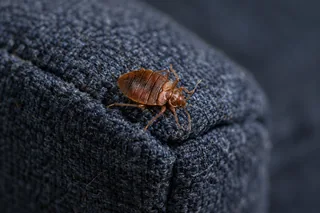
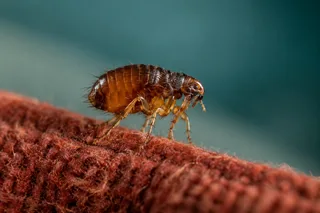
The inspection considers live insects, eggs, shed skins and spotting in suitable hiding places. The technician should explain how those findings support identification rather than assume every insect near a bed is a bed bug. A photograph may be inconclusive if it lacks useful detail or scale. If the evidence remains uncertain, further inspection or appropriate monitoring may be needed before treatment is justified. Avoid scraping seams or applying another product simply to reveal more insects. Show the original locations and explain what has already been disturbed so the findings can be interpreted properly.
For the separate preparation and monitoring considerations involved in heat, see Bed Bug Heat Treatment Pinner.
PREPARATION & ACCESS
Preparing for bed bug treatment
Contain movement and prepare the agreed areas
Request the preparation checklist before moving bedding, clothing or furniture. Uncontrolled movement of affected belongings can carry insects into other spaces. Bagging, laundering and the handling of clean items should follow the instructions for the actual plan and the care requirements of the materials. Do not empty every cupboard or discard a mattress without discussing the need and method. Make requested bed joints and furniture edges accessible where safe. If a room is shared or used by guests, ensure the responsible person can coordinate preparation consistently and explain any steps that cannot be completed.
Agree re-entry and protection of belongings
Explain children, animals, aquariums and individual access or health concerns before the treatment is chosen. The actual products and equipment determine ventilation, room access and cleaning instructions; no fixed website interval applies to every bed bug treatment. Sensitive fabrics, finishes and electrical items may need special handling or an alternative approach. Ask which belongings should remain in place and which require removal or protection. Keep everyone who uses the room informed of the agreed restrictions. Do not add household sprays after a professional visit without advice, because this can interfere with the plan and complicate later assessment.

Where the evidence points to fleas in resting areas instead, compare Flea Treatment Pinner.
| Evidence or location | Inspection question | Scope implication |
|---|---|---|
| Insect at a mattress seam | Does identification support bed bugs? | Confirm the pest before choosing a method |
| Spotting at a headboard joint | Which accessible joints show activity? | Include the relevant furniture and hidden edges |
| Signs in a sleeping sofa | Has activity extended beyond the main bed? | Review seating and connected sleeping spaces |
| Recently moved bedding | Where has the material travelled? | Assess handling and any adjoining rooms |

Inspect the bed and the furniture around it
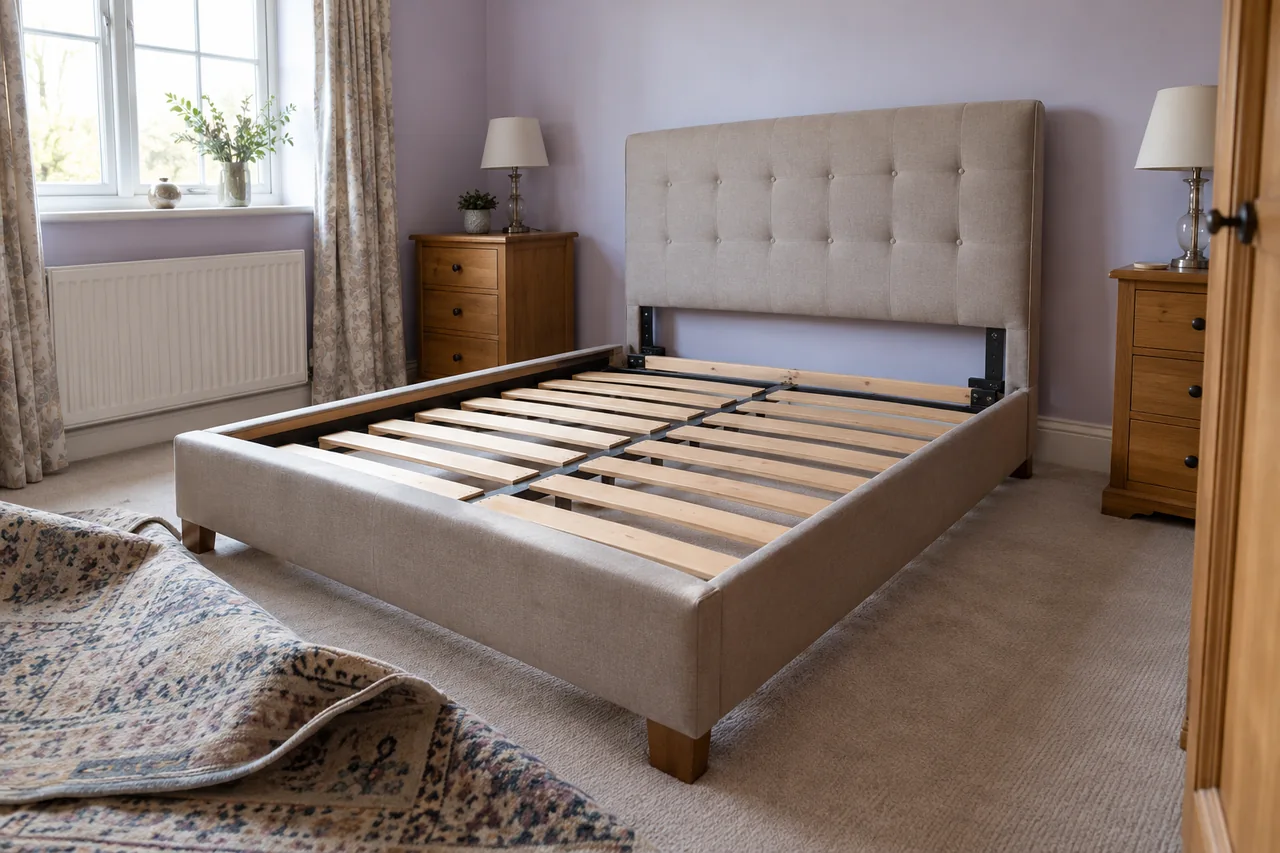
Accessible bed-frame joints, mattress seams, headboards, bedside furniture and upholstered seating can provide useful inspection areas. The survey should consider how the furniture is constructed and where access is limited by fixed fittings or fragile material. A bed bug may shelter away from the surface where someone sleeps, so a quick glance at the mattress is insufficient. Explain whether headboards are wall-fixed and whether furniture can be moved safely. Dismantling, electrical work or moving very heavy pieces may need separate arrangements. The technician should identify what was inspected and what remains concealed.
Consider spread between rooms and possessions
The pattern of signs helps define which rooms and belongings need attention. Adjoining sleeping spaces, sofas used for sleeping and recently moved textiles may be relevant, but treatment boundaries should follow evidence rather than a blanket assumption about the entire building. Tell the technician if people have changed rooms after noticing bites or if furniture has been carried elsewhere. In flats or managed accommodation, another room or neighbouring space may need access through the responsible person. The scope should separate confirmed activity, areas requiring further checks and any limits that could affect the proposed treatment.
For the wider enquiry and inspection arrangements, visit the Pinner homepage.
Compare methods with the evidence and room contents
A suitable plan may combine targeted treatments, physical measures, monitoring or specialist heat where appropriate and available. The choice depends on confirmed activity, harbourages, the spread of signs and the materials involved. Mentioning an option here does not confirm a particular product or system for your visit. Ask the technician to explain the purpose of each proposed measure and which places it can reach. A method that addresses an exposed insect may not resolve sheltered stages in every furniture joint. Preparation and planned review should therefore be discussed alongside the initial treatment.
Understand the treatment sequence
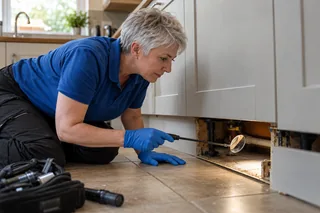
Before work begins, agree the rooms and furniture included, the preparation expected and any access restrictions. The technician may use a torch, viewing tools and suitable monitoring equipment during assessment; actual treatment equipment follows the method selected for the property. The visit should not proceed on the assumption that every mattress or fabric can be treated identically. Ask how sensitive items and inaccessible joints will be handled and what aftercare information you will receive. Any further visits should have a defined purpose, such as reviewing evidence or addressing remaining activity, rather than an unexplained promise of one universal package.
Make follow-up an evidence-based check
Record further signs with dates and locations, distinguishing a captured insect from a skin reaction or an old mark. This gives the technician a clearer basis for reviewing progress. The timing and purpose of return visits depend on the chosen method, access and the findings; they should be agreed rather than assumed from a general claim. Follow the cleaning and handling instructions so treated areas or monitoring arrangements are not disturbed prematurely. If preparation was incomplete or new furniture has entered the room, explain that change. A review may need to reconsider scope as well as remaining activity.
Reduce movement risks after the visit
Aftercare should focus on the routes and belongings relevant to the inspection. Keep clean and potentially affected textiles managed according to the agreed instructions, and avoid bringing second-hand furniture into use without appropriate inspection. In accommodation businesses, a clear reporting route for staff and guests can help identify new signs before items are moved between rooms. Prevention does not mean promising that a property can never acquire bed bugs again. Ask which observations warrant contact, what records are useful and how a new introduction would be distinguished from activity connected with the original treatment.
QUOTATION SCOPE
What affects your bed bug treatment quote?
The quotation depends on affected rooms, furniture construction, preparation needs, the method selected and the review visits required. Heat, dismantling or the handling of particular contents may have a separate scope. Ask which sleeping and seating areas are included, whether return visits are part of the price and how further findings would change the work. Confirm VAT and any access or appointment charges before booking. There is no confirmed universal per-room rate for every bed bug situation.
| Planning item | What changes the work | What to confirm |
|---|---|---|
| Furniture construction | Fixed or inaccessible joints | Access and any dismantling arrangements |
| Textiles and belongings | Care requirements and movement risks | Bagging, laundry and clean-item handling |
| Treatment method | Materials, spread and sensitive contents | Proposed equipment and room restrictions |
| Follow-up | Remaining evidence and preparation changes | Included visits, reporting and any further charge |
To discuss room access and the signs you have noticed, use Contact Us.
PROMPT ASSESSMENT
When bed bug treatment needs prompt attention
Arrange a prompt assessment if bed bug evidence is found in sleeping areas or managed accommodation, particularly before belongings are moved between rooms. Describe the insect or signs and the rooms involved. Keep potentially affected items in place until handling advice is given. Availability and the appropriate next step are discussed for the property, when you call.
QUESTIONS ABOUT THE VISIT
Bed Bug Treatment: your questions
Can a line of bites confirm bed bugs?
No. Skin reactions can have different causes and are not reliable identification on their own. Clear insect photographs, specimens and physical traces around harbourages provide more useful evidence. The inspection should explain what supports the conclusion and whether further monitoring is needed.
Should I throw away the mattress before the visit?
Discuss it first. Some items may be suitable for treatment, while moving or disposing of them without containment can spread activity. Explain any damage or care limitations. The technician should advise how the item fits the plan and whether disposal is necessary.
Why might the sofa or another bedroom be inspected?
Bed bugs can shelter in furniture beyond the main bed, especially where people sleep or belongings have moved. Adjoining spaces may help establish the extent of activity. The scope should follow the evidence and explain which rooms are confirmed, suspected or not yet accessible.
Can I use household sprays while waiting for treatment?
Explain any products already used and ask before adding more. Extra application can disturb insects, affect placements or remove useful evidence. The plan should account for previous products and the materials involved rather than combine treatments without knowing their restrictions.
What information makes a follow-up useful?
Keep dates, room locations and photographs or safely retained specimens where practical. Distinguish new physical evidence from old marks or skin irritation alone. Report changes in preparation, occupants or furniture so the review can assess both the remaining activity and the treatment scope.
DISCUSS YOUR PINNER PROPERTY
Describe the signs. Agree the next step.
Call with your postcode, the areas affected and any access restrictions. Inspection scope, appointment availability and treatment arrangements are confirmed for the property.