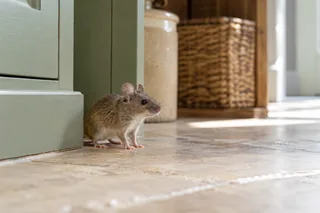
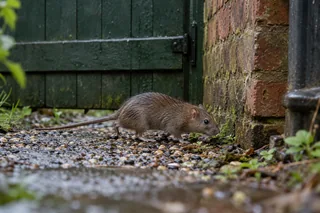
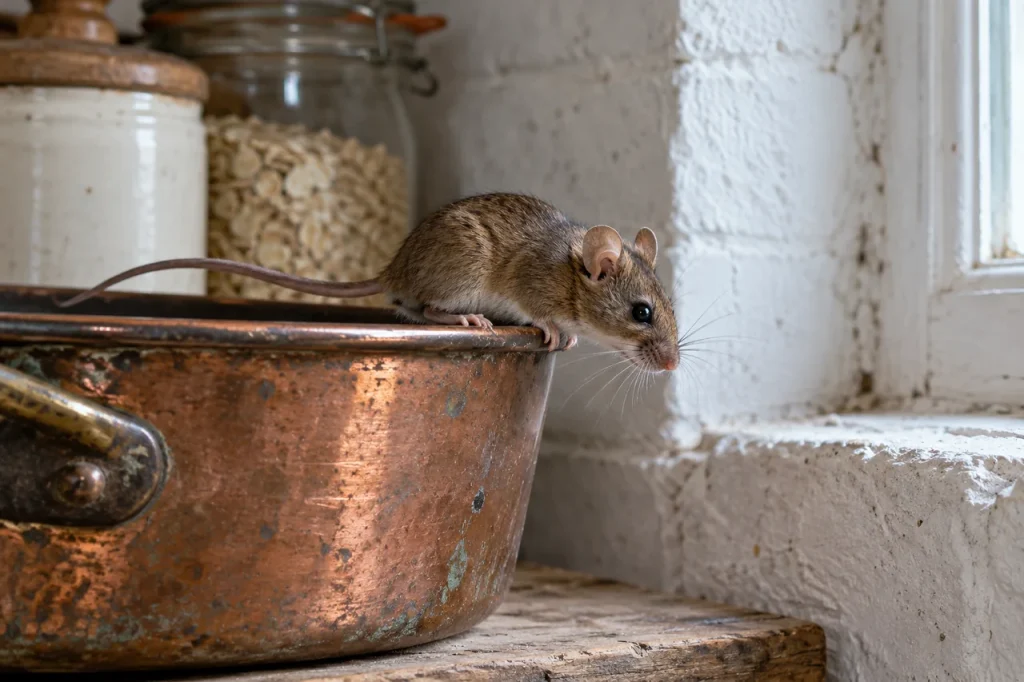
Rats and mice need food, and homes offer more than a bowl on the kitchen table. A split cereal packet, pet feed left out overnight or bird seed beneath a feeder can provide repeated opportunities. Better storage reduces those opportunities, but it should be paired with inspection and building repairs when activity is already present. A spotless worktop cannot close a hole around a pipe.
Use this guide as a practical tour of the places food is stored, served and discarded. The aim is to make routines easy enough to keep, while noticing contamination before it is missed among everyday clutter.
Begin with the pantry
Check open packets of flour, rice, cereal and dried pet treats. A folded top or a clip may slow a spill but does not always protect against gnawing. Move suitable food into sturdy, closed containers and label them so old supplies are used first. Keep the original packet inside a container if you need cooking instructions or allergen information.
Look at the shelf beneath each packet. Small droppings, torn corners or loose grains can indicate activity, but one crumb does not identify a pest. Photograph suspect signs before cleaning and keep affected food separate. Discard anything visibly gnawed or contaminated rather than trying to save the untouched portion.
Wipe spills as they happen and check the back corners of low cupboards during normal cleaning. This is easier than emptying the whole pantry every weekend. If evidence appears repeatedly, record the location and ask for an inspection; better containers alone will not explain how an animal entered.
Review food left out between meals
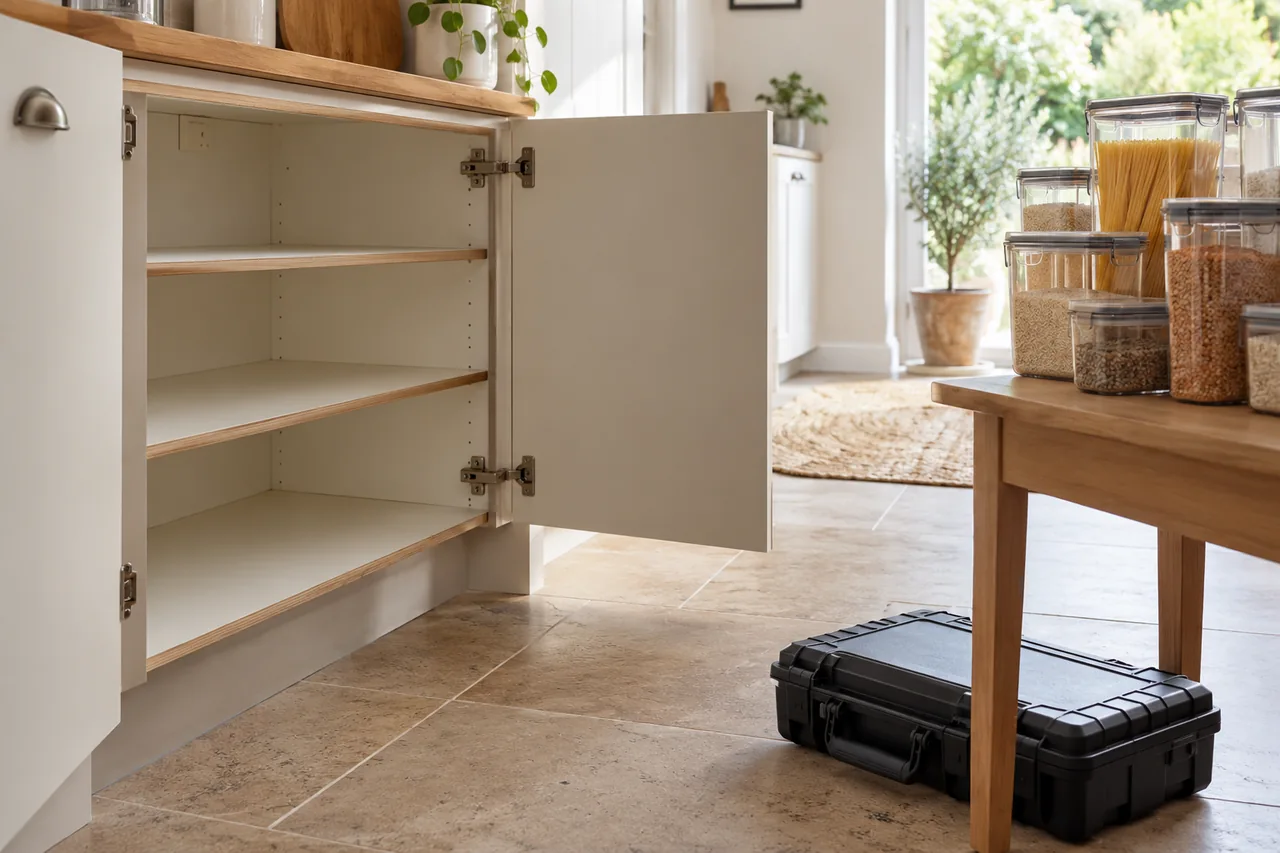
Fruit bowls, bread, snacks and dirty dishes can leave food accessible overnight. Choose a realistic routine for your household: put opened food away, clear the table and wipe the worktop after the last meal. Deal with spills near a toaster or under a high chair, where crumbs can collect unnoticed.
Dartford Borough Council advises storing food in sealed containers and putting pet food away at night to reduce rodent attraction indoors. The advice is straightforward, but consistency matters more than an occasional intensive clean. If several people use the kitchen, agree who closes the bin and clears pet bowls before bed.
Do not keep using a food preparation surface with visible droppings. Photograph the evidence, then clean the area appropriately before preparing food again. Avoid sweeping or vacuuming suspected rodent waste dry; seek suitable public health guidance for safe removal.
Give pet food its own plan
Large bags of pet feed are often stored in garages, utility rooms or beside the kitchen floor. A thin bag may be easy to damage. Transfer feed into a closed container or place the bag inside one, keeping the label and use instructions. Check beneath the storage point for spilled pieces.
Feed pets in a way that suits their needs, then remove leftover food when appropriate rather than leaving it accessible overnight. Clean bowls and surrounding floors regularly. Explain any feeding routine to a pest professional so a control plan considers where an animal may be attracted and how pets can be kept away from devices.
If a pet has a special diet or needs food available continuously, do not change that without veterinary advice. Focus on secure storage, controlled placement and the specific risk identified during inspection.
Manage rubbish without making it a chore
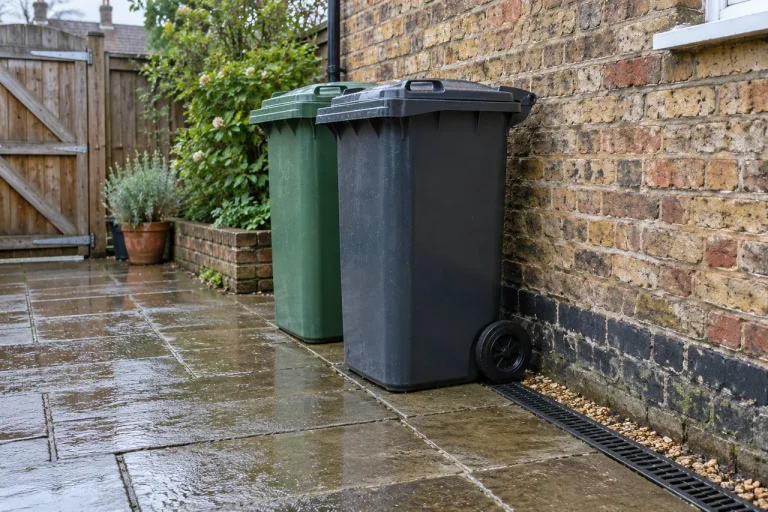
Use a bin with a close fitting lid and empty it before waste accumulates around the rim. Clean spills on the outside and check that a bag has not torn beneath the bin. Put outdoor rubbish in suitable lidded containers until collection day. North Yorkshire Council gives similar advice on keeping waste contained and gardens free of accessible food.
Compost needs attention too. A poorly closed container or exposed food scraps may attract rodents. Check that the lid fits and follow appropriate composting guidance for what goes inside. Do not assume a compost heap is the source simply because it is near a sighting; inspect the evidence and surrounding routes.
Bird feed belongs in the same audit
Bird feeding can be enjoyable, but seed spilled onto the ground is accessible to rats and mice. Use an appropriate feeder, avoid putting out more than is used and clear waste beneath it. Store spare seed in a closed container, not an open sack in a shed. BPCA guidance notes that bird food can attract rats around domestic properties and should be stored as carefully as pet food.
If rat activity has become established around a feeder, pause feeding and seek advice about the next step. A tray may reduce spillage but cannot resolve an active burrow by itself. Record where the feeder stood and whether fresh signs appear after the food source changes.
Do not forget garages and outbuildings
A garage can contain food sources even when no one eats there. Pet feed, bird seed, grass seed and stored barbecue supplies may sit in paper or plastic sacks. Inspect packaging at floor level and move goods into containers with lids. Keep the shelves and floor beneath them accessible so a sign is easier to notice.
If you find gnawed packaging in a shed, do not carry it through the kitchen before checking it. Photograph the damage where it was found and separate affected material from clean stock. Note whether there is a gap under the shed door or around a service entry, but leave structural proofing until the active animal and route have been assessed.
Staff may each tidy their own desk yet leave shared snacks open in a stockroom. A simple closing routine can cover sealed food, waste lids and a quick check of the affected edges. Report signs promptly rather than letting several people clean them away without a record.
Respond to damaged food consistently
Decide in advance what to do with suspect packets. Isolate gnawed or contaminated food, photograph the damage and discard it safely. Check adjacent packaging and the shelf before restocking. Avoid assuming that a clean looking packet beside it is safe if the storage area has not been checked.
Record the date and location of each damaged item. A pattern across two cupboards can show where an animal moves, while a single tear may have another cause. This information helps an inspector prioritise access and allows you to judge whether the storage changes are reducing new damage.
Check for a wider route
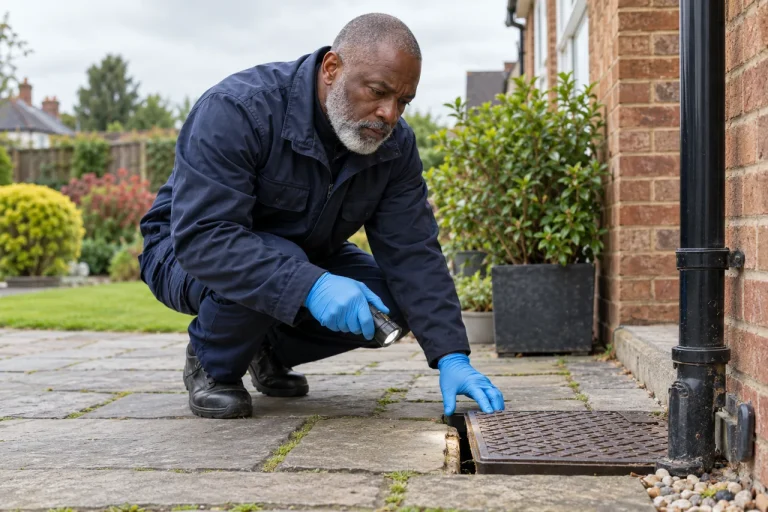
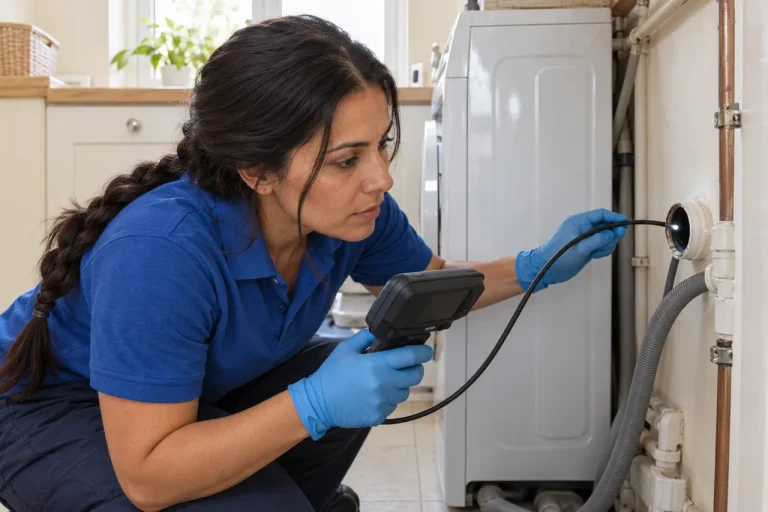
Food management reduces attraction; proofing addresses entry. Inspect accessible pipe gaps, door thresholds and outside wall defects. Do not block ventilation or close an opening while an animal may be inside. A professional can help decide which signs point to an active route and which defects still deserve maintenance.
The mice control service in Pinner and rat control service explain separate inspection paths. Share the locations of food damage, storage changes and possible openings. Identification matters before a treatment or repair plan is chosen.
Make the habit measurable
Keep a short checklist for the places that were affected: low pantry shelf, pet food container, bin and feeder area. Check them at regular intervals after cleaning. Dated photographs show whether a new sign appears, while a note about when food was moved helps an inspector interpret the change.
If activity continues despite better storage, do not respond with stricter cleaning alone. Ask whether a hidden route, another food source or a different animal has been missed. Good food habits support control and prevention, but they work best as part of an evidence based plan for the property.