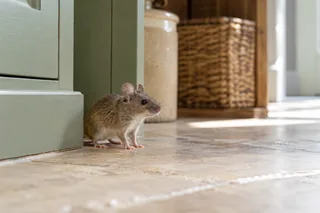

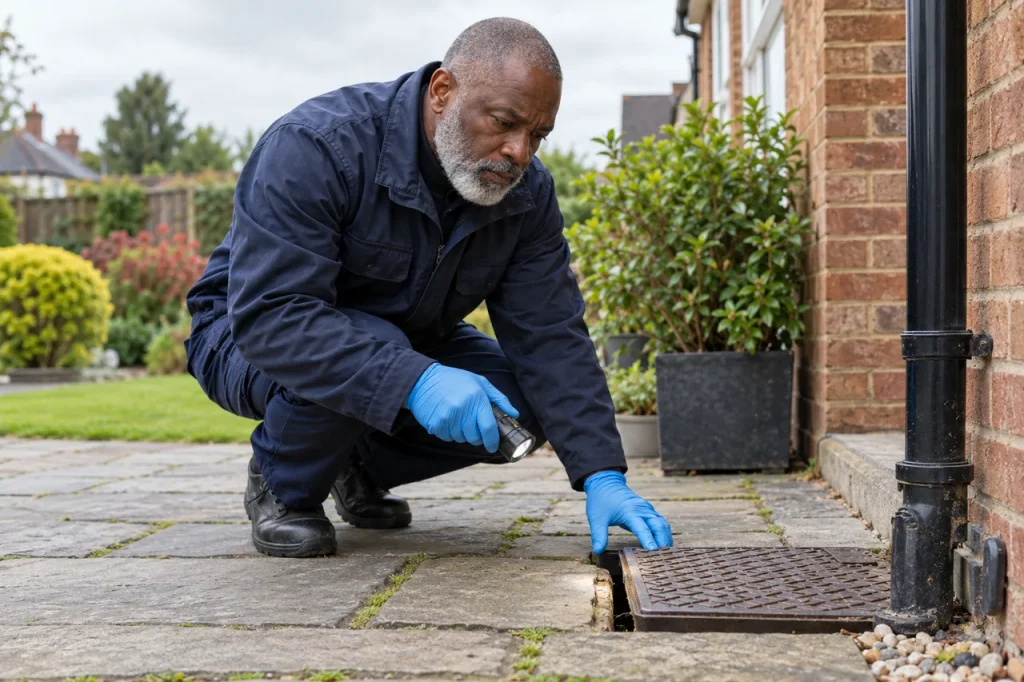
A rat sighting can prompt an understandable wish for treatment. Yet the first useful step is finding out where activity occurs, what attracts the animals and how they reach the property. A control assessment turns scattered observations into a plan. It should also reveal any safety concerns before equipment or products are placed.
The exact visit varies with the building and evidence available. This guide explains what a householder can reasonably expect, what to ask and how to make the findings useful after the technician leaves.
Before the appointment
Write down when and where you noticed rats, droppings, noises or damage. Note whether a sighting was indoors or outside, and whether it happened once or repeatedly. Photographs can help when an animal has moved on. Keep an image of the surrounding area as well as a close view; context makes a small mark easier to interpret.
Tell the technician about pets, children, vulnerable occupants and any places people cannot safely access. Mention previous treatment, recent building work, drainage trouble and activity reported by neighbours. These details can change the inspection route and the choice of control method. If you rent, clarify who can approve repairs and access shared spaces before the visit.
You need not dismantle a kitchen or climb into a loft. Make ordinary access possible where safe, such as moving a few stored items away from a suspected entry point. Leave fresh signs visible if you can do so without compromising hygiene. Avoid moving unknown bait or traps from an earlier treatment; explain what you found instead.
The first conversation
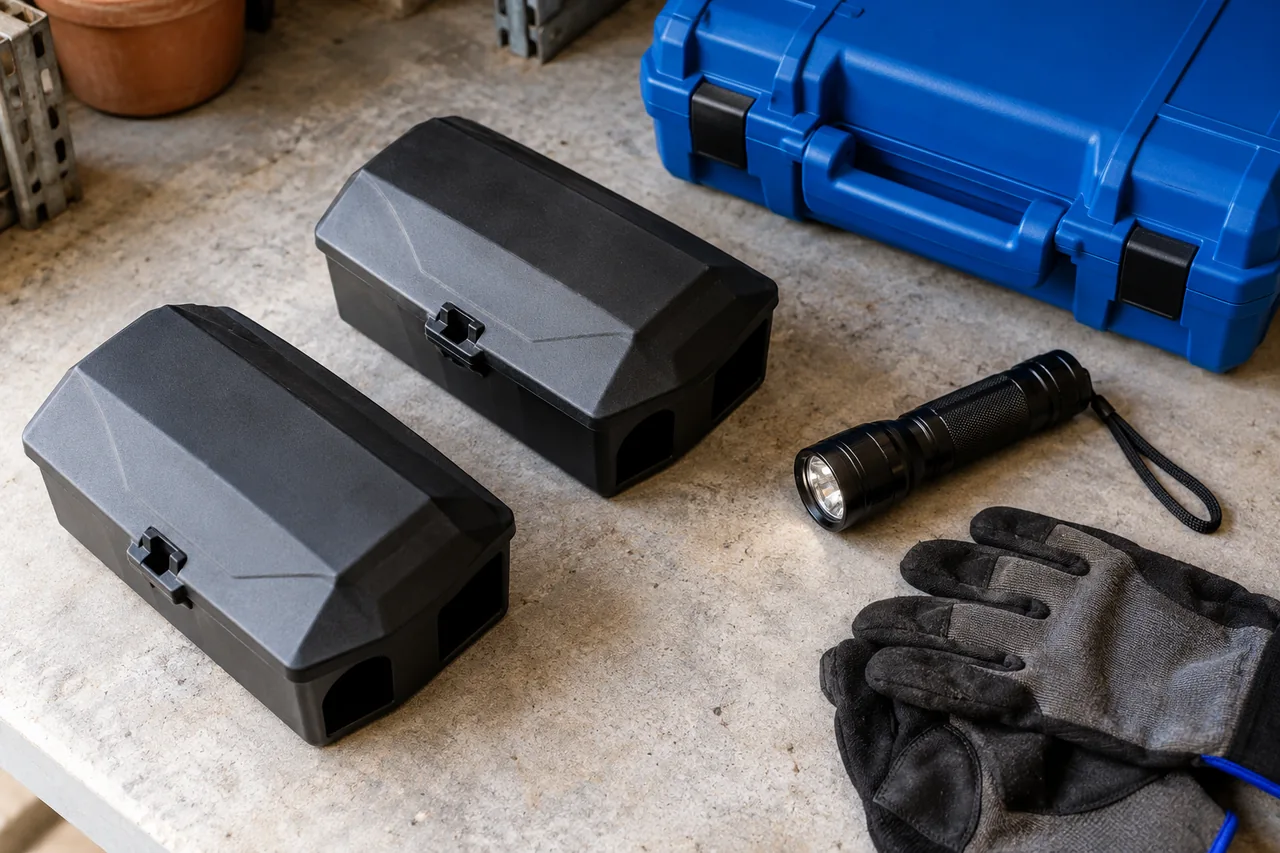
The assessment normally starts with your account of the problem. A useful technician asks when activity began, how often signs appear and what has already been tried. They may ask whether the problem is confined to one room, a garden, an outbuilding or a shared boundary. Describe uncertainty honestly. A sound you heard at night is an observation, not a confirmed species.
Ask what areas will be inspected and what access is needed. If a room, roof void or drain cannot be reached, the limitation should be recorded. A conclusion based only on one accessible corner may need revision later. The technician should explain the scope of the visit in terms you understand, including any separate charge for further investigation or repair.
Looking for evidence
A site survey seeks to establish the type, level and extent of the infestation. BPCA guidance calls for attention to public access, children, pets and wildlife, alongside food, water, housekeeping and defects in the building or drains. This is why an assessment covers more than the place where a rat was seen.
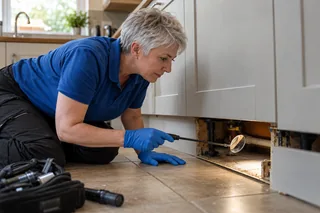
The technician may look for droppings, runs, gnawing, burrows, nesting material and greasy marks. They may inspect behind appliances, around pipe openings, under decking or beside a shed where access is safe. Evidence can be old, disturbed or produced by another animal. A professional should explain what supports their identification and what remains uncertain.
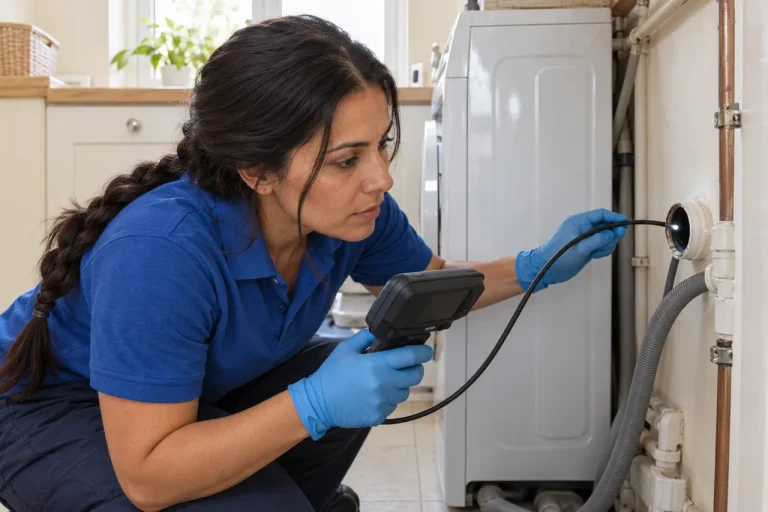
Expect attention to the exterior as well as the interior. Overgrown edges, poorly fitting doors, damaged air bricks and gaps around services can matter. Drainage defects can also be relevant, although a pest visit is not a substitute for a specialist drain survey. If the apparent route needs a camera inspection or a repair trade, ask who should arrange it.
Mapping food, water and shelter
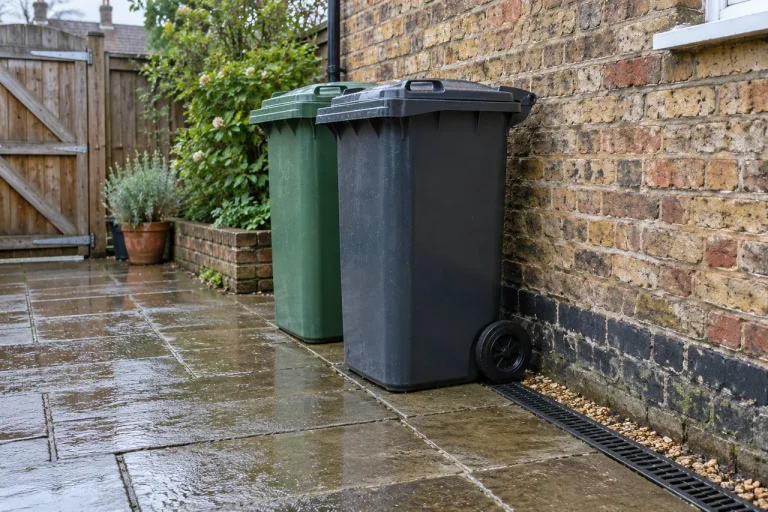
An assessment asks why rats can remain at a site. Outdoor bins, bird feed, fallen fruit, pet food and accessible waste can all be relevant. Water may be available from a leaking tap or other persistent source. Dense planting, clutter and outbuildings can offer cover. Identifying these conditions gives you prevention tasks that are specific to your property.
This should be a practical conversation, not a judgement about housekeeping. A tidy home may still have a broken drain or an opening left by building work. Conversely, a treatment may struggle if a dependable food source remains accessible. Ask which changes are urgent, which can wait and which need a builder or other specialist.
Choosing a control approach
The findings should lead to an explanation of the proposed method, its placement and the reason for it. Options can include monitoring, physical exclusion, hygiene changes, trapping or an authorised rodenticide where suitable. No single product is automatically right for every building. HSE information on rodenticides distinguishes chemical and nonchemical methods and describes the rules governing professional use.
Ask how children, pets and other animals will be protected. Ask where any equipment will be placed, whether you must keep away from it and what to do if it is disturbed. A safe plan depends on the site survey. It should include clear instructions for the people who live or work there.
You may also want to know how progress will be judged. A visit that merely places bait without identifying likely routes or agreeing a review date leaves important questions open. Activity can change as control proceeds, so the approach may need adjusting after follow-up inspection.
What should be in the plan?
Request a written summary of the evidence, the proposed treatment, necessary repairs and expected follow-up. Reading Borough Council says a good company should provide a written inspection report and action plan, advise on structural repair, visit as often as required and explain prevention. It also recommends agreeing the service plan and cost.
Check whether proofing work is included in the quoted service or is a separate job. Ask who will remove or check equipment, what happens if fresh signs appear and whether further visits are included. If a neighbouring drain or shared wall is suspected, establish who can investigate it. These questions make the next step clear and help avoid assuming that treatment alone repairs the access route.
The report should distinguish confirmed evidence from a possible explanation. For example, a gap may be suitable for rat entry without proving that every rat used it. That distinction matters when planning repairs and deciding whether further inspection is worthwhile.
During follow-up
Keep a brief record of new sightings, noises or droppings between visits. Note the date and exact place. Avoid disturbing installed equipment, and follow the technician's instructions about food storage, waste and access. If a pet reaches a treatment area or a station is damaged, contact the provider promptly for advice.
At follow-up, ask what evidence has changed. Has activity reduced, moved or remained in the same place? Were any new routes identified? A technician may revise the plan or recommend additional investigation. If no activity is found, discuss when temporary equipment can be removed and how the property should be monitored afterwards.
Prevention often continues after the immediate problem ends. Seal confirmed access points at an appropriate stage, repair defects and keep food and waste secure. A repaired building can reduce the chance of a repeat problem, although no inspection can promise that rats will never approach an outside area again.
When to seek another opinion
Seek clarification if you are not told what species is suspected, where the evidence lies or how a proposed treatment addresses it. Similarly, ask for a clearer plan if safety precautions, cost or follow-up are vague. An inaccessible area may justify another inspection method rather than a confident conclusion drawn from incomplete evidence.
If you have current signs in or around a Pinner property, a rat control assessment can give the next steps a factual basis. Share your observations, request the written findings and keep the plan available to everyone responsible for repairs or daily routines.