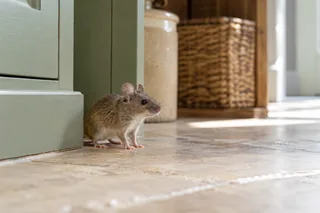



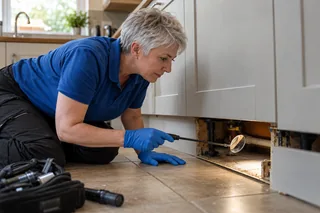
Finishing a mouse control programme is a useful milestone, but the lasting result depends on what happens next. Treatment addresses the activity identified during a visit. Proofing, food storage and follow-up checks address the conditions that allowed the activity to continue. A good aftercare plan turns the inspector's findings into specific jobs, with a way to tell whether each job has helped.
Begin with the written report or notes from the visit. Mark what was confirmed, what remains uncertain and which repairs need another trade. If you did not receive clear instructions, ask before changing devices or closing a suspected route.
Separate confirmed routes from possible gaps
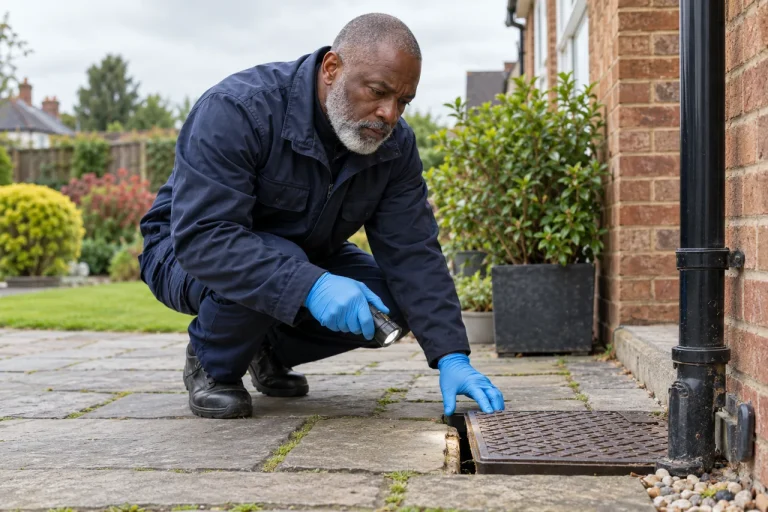
An inspector may find evidence at a pipe opening, beneath a door or along a skirting edge. They may also note other gaps that could allow future entry. Treat those as two different lists. Repair the confirmed route as advised, then plan wider maintenance. This keeps urgent work focused without ignoring building defects.
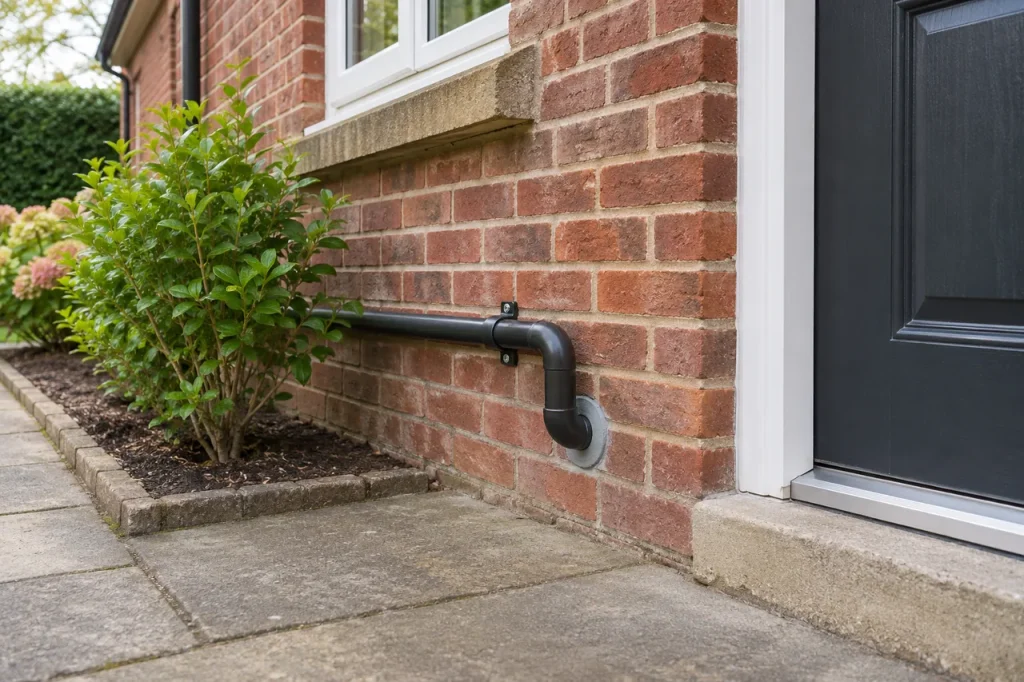
Mice can pass through very small openings. The British Pest Control Association describes a gap of roughly five or six millimetres as potentially sufficient. That makes careful inspection of door thresholds and service penetrations worthwhile. Yet filling a visible hole with whatever material is to hand can fail if the route continues behind it or if the material is unsuitable for the building.
Agree the sequence of repairs with the person managing the control work. Closing an opening too early may leave an animal inside or redirect movement. A pipe, cable or vent also has a function that must be preserved. Use an appropriate builder or trade professional where a repair involves electrical services, fire separation or ventilation.
Make food less accessible

Store dry food in closed containers, clean spills promptly and avoid leaving pet food out overnight. Check the back of cupboards where crumbs gather, not only the visible worktop. Keep bins closed and deal with food waste regularly. These ordinary habits are easier to sustain than a one-off deep clean.
The aim is to remove easy feeding opportunities, not to prove that the house is perfectly tidy. Mice can exploit food in otherwise well kept homes if a route is open. Avoid blaming occupants when the building fabric also needs attention. A plan should cover both access and food, with responsibilities clear where several people share the property.
Bird feeding and outdoor waste deserve a separate look. If feed falls beside a wall, it may attract rodents close to the building. Consider moving feeders, reducing spillage or changing how food is offered, following the inspector's advice. Store bags of seed securely and keep lids on bins and compost containers.
Reduce shelter around the building
Overgrown vegetation, stacked materials and debris can conceal the lower wall and provide cover. BPCA advice includes clearing unnecessary clutter and cutting back overgrowth around a property. Do this thoughtfully, preserving legitimate habitats and avoiding disturbance to protected wildlife. The practical benefit is also visibility: a clear wall edge makes defects easier to spot and repair.
Keep stored materials off the wall where possible so you can inspect the junction between ground and brickwork. Check sheds and garages for open food or nesting material, but do not disturb an animal you cannot identify. If fresh droppings appear outdoors, photograph them and ask whether they belong to mice or another pest before extending the control plan.
Keep a monitoring record
Choose a few accessible points that had activity before treatment. Check them at regular intervals and record the date, any new sign and whether the area was cleaned or repaired. A photograph from a similar position helps distinguish an old mark from a new one. There is no need to search every room each night.
Continue following any monitoring instructions left by the professional. Do not move or open a bait station, trap or other device unless you have been told to do so. Middlesbrough Council's published aftercare advice emphasises reporting further sightings and keeping treatment areas accessible for follow-up; your own provider's instructions take priority for the actual equipment in your home.
If a new sign appears, tell the provider what it is and where it was found. One unexplained speck need not mean the whole programme has failed, but repeated droppings, fresh damage or a live sighting justify a prompt review. The date and location make that conversation much more useful.
Coordinate repairs in shared property
Flats and terraced homes may have service voids or exterior features that one household cannot repair alone. Give the landlord or managing agent the relevant parts of the inspection report, including photographs of building defects. Ask who will arrange access and when work will be completed. Keep a record of repairs so later activity can be considered against what has actually changed.
Do not seal a shared vent, cable opening or fire stopping detail without competent advice. A repair that appears to close a mouse gap can create a ventilation or safety problem. Similarly, a neighbour's sighting is useful evidence but does not establish the exact route into your home. Share observations without assuming blame.
Know when to ask for a follow-up
Contact the provider if activity persists beyond the period they asked you to monitor, a device is disturbed, or a repair reveals a larger hidden space. Explain what was found, what has been cleaned and which recommended jobs remain open. Ask whether the new sign changes the identification or the control plan.
Recheck changes to the building
Proofing is not a job that can be forgotten forever. A replacement boiler, new broadband cable, plumbing repair or fitted kitchen can introduce a fresh opening. After such work, check that service penetrations are properly finished and that the repair has preserved any required ventilation. Keep the original inspection photographs; they give you a comparison point when a wall or cupboard changes.
Look at external doors after the frame settles or the threshold is repaired. A strip that fitted tightly when installed may later wear or leave a corner gap. Check the door closed from both sides where safe. If the bottom edge is uneven, ask the installer about a suitable solution rather than stacking loose materials against it.
Seasonal checks can be brief. Before storing garden items for winter, clear access to the lower wall and look for new defects. In spring, review bins, compost and stored bird seed. This is maintenance of conditions, not a claim that mice only appear in one season; house mice can be active throughout the year. A recurring check is easier to keep up than an emergency search after another sighting.
The mice control information for Pinner describes inspection, treatment and practical aftercare as connected stages. A follow-up should revisit the evidence and the route, not simply repeat an earlier action without checking why activity continues. If larger droppings or a different sighting appear, the rat control page is relevant to a separate identification.
Keep prevention manageable
Turn recommendations into a short maintenance list: the opening to repair, the person responsible, the date completed and the next check. Put food storage and bin habits into the normal household routine. Revisit external doors and pipe gaps when building work changes them.
No home can be guaranteed never to attract a mouse. What you can do is make entry and feeding harder, notice new signs early and retain a clear route to advice. That is a more useful goal than relying on treatment alone or assuming that one quiet week settles every question.