
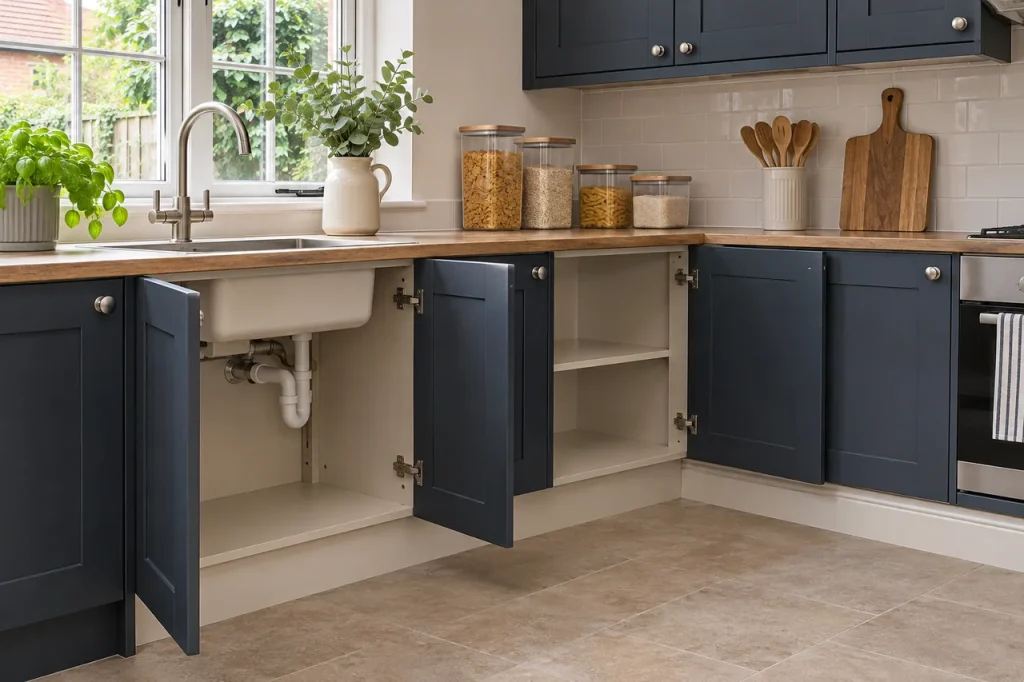
A mouse control visit is more useful when the person inspecting your property can see where activity has appeared and reach the affected spaces. Preparation does not mean deep cleaning every room or guessing which treatment will be used. It means preserving useful evidence, making access safe and sharing details that could change the plan.
Different providers may give different instructions, so follow any specific advice you receive when booking. If none is given, the steps below will help you prepare for an inspection without hiding the signs that prompted it.
Make a short evidence record
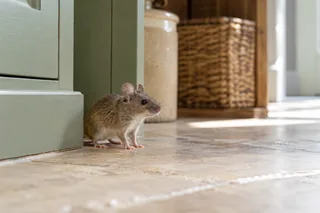
Write down when and where you saw a mouse or found suspected droppings. Include the room, the exact cupboard or wall edge, and whether the sign appeared again after cleaning. Photograph any droppings, gnawing or damaged packaging before it is disturbed. A wider photograph gives the inspector context; a close view shows the detail.
Barnet Council advises householders to keep a log of mouse sightings and, when safe and possible, leave evidence for an inspection. You can use a simple list on your phone. Separate confirmed sightings from sounds or marks that might have another explanation. The distinction helps the inspector decide what needs checking rather than assuming every clue has the same cause.
If you used a product or trap already, record what it was, when it was placed and where it remains. Keep the packaging available. Do not move or add products immediately before the visit without advice, since that can affect safe access and the interpretation of activity.
Clear access without erasing the pattern
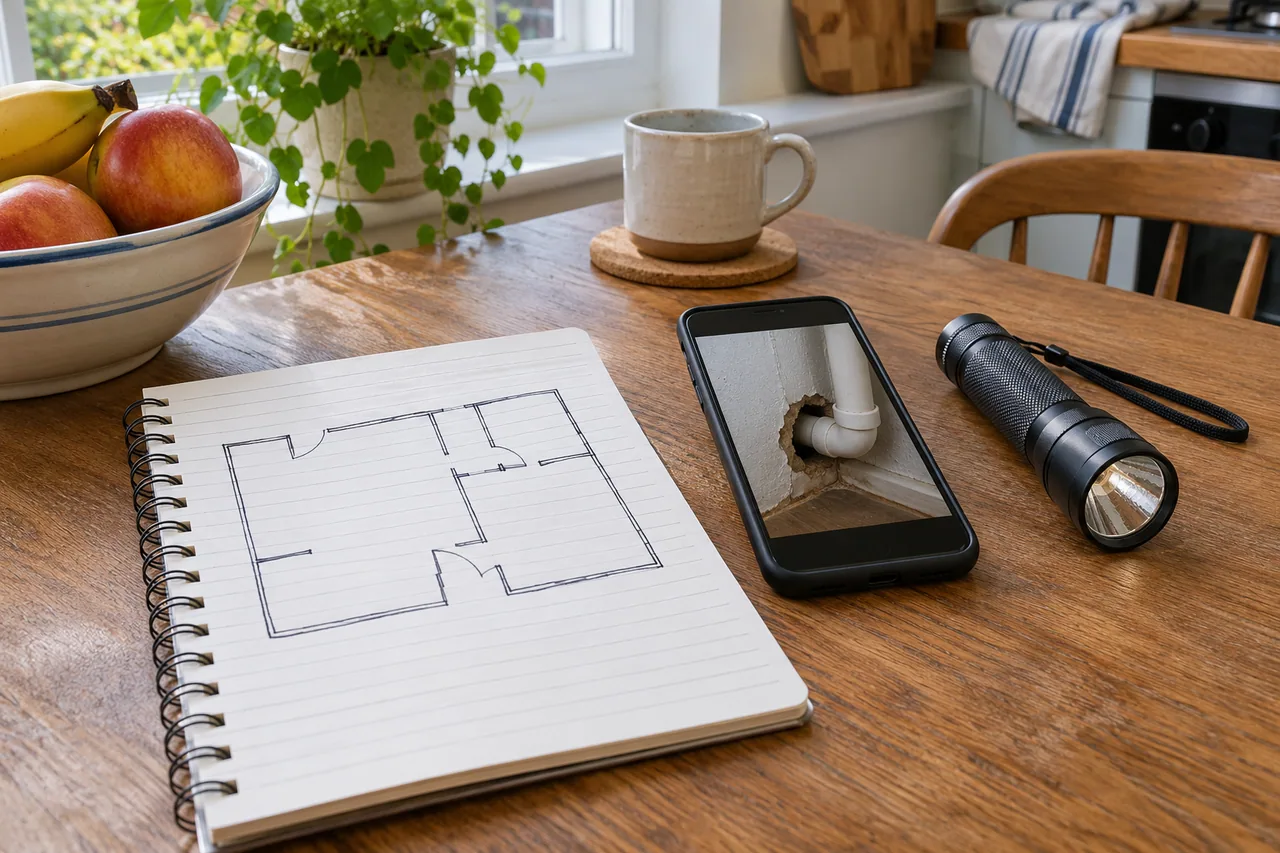
Make the affected cupboard, skirting edge or under-sink space accessible. Move loose objects into containers, checking them as you go. Keep any gnawed or contaminated items separate from clean belongings. You do not need to empty every drawer if the evidence is limited to one part of the home, unless the provider asks you to.
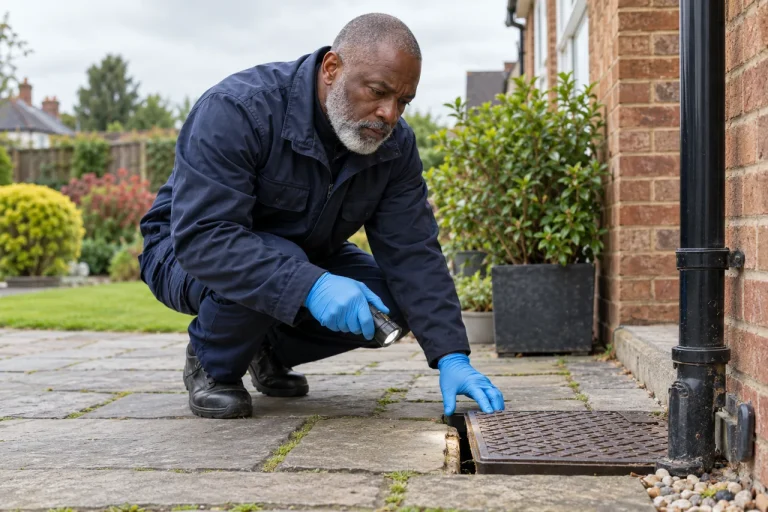
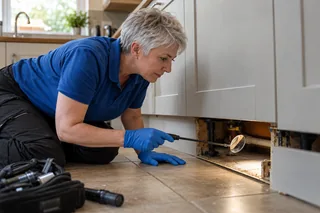
Medway Council says its pest control team needs a clean, tidy and safe area to reach the affected space. This is a sensible general principle, although the exact preparation required by your provider may differ. Clear trip hazards and give the inspector enough room to use a torch and inspect the edges. Avoid pulling out a cooker, boiler or heavy appliance yourself.
Do not scrub away all visible signs just before the appointment. If hygiene requires cleaning, take photographs first and note the date. UK public health guidance advises against sweeping or vacuuming suspected rodent droppings; dry disturbance can put infectious material into the air. Ask for help if contamination is extensive or difficult to reach.
Explain the property layout
Tell the inspector whether the home is detached, terraced or part of a block, and point out any accessible loft, cellar or garage. Mention recent repairs, gaps around pipework and places where you have heard activity. A sketch can show how the affected rooms connect without requiring a detailed floor plan.
Identify areas that cannot be inspected safely: a boarded-up void, a locked communal cupboard or a fitted unit that needs a tradesperson to remove. Do not present those spaces as clear simply because no signs are visible from the room. Restricted access is an important finding in its own right.
If you rent, let the landlord or managing agent know about the appointment and any repair that may need permission. In a shared building, a route through service spaces may require coordination beyond one flat. Tell the inspector who can authorise access to those areas.
Share household safety details
Explain where children and pets spend time, and whether anyone has a particular access or health concern that affects the visit. Mention pet feeding areas and any equipment that cannot easily be moved. The professional can then explain what precautions apply to the actual method proposed. Do not assume that every job uses the same product or schedule.
Keep children and animals away from the inspection area while it is being examined. If treatment is recommended, ask exactly which areas they must avoid, for how long and what to do if a device is disturbed. GOV.UK advises using lawful methods and seeking professional advice when you do not know how to control an animal correctly.
Do not leave food out as a test or move suspect items into a child's room to clear space. Store food securely, close bins and keep normal cleaning routines, while preserving photographs of the evidence.
On the day of the appointment
Make sure someone who knows the history of the problem is available to speak with the inspector. If another person will be at home, leave them the sighting record and identify the affected rooms in advance. Agree how the inspector can reach a garden, garage or shared area if those places are relevant.
Walk through the evidence. Start with the first sighting, then show any later damage or droppings. Point out where cleaning has taken place. This sequence may reveal whether activity is moving or has remained in one area.
If you have a pet, arrange for it to be in a separate safe space during the visit. Check with the provider whether they need access to the pet's feeding area or bedding location, and explain if those places have already been cleaned. If a member of the household needs a quiet room or accessible route, mention that before equipment is brought in.
Keep a notebook or phone ready for the findings. Record the confirmed pest, areas examined, inaccessible spaces and agreed next steps. Avoid leaving with only a verbal impression that the issue has been handled; practical instructions make follow-up easier for everyone.
Questions worth asking during the visit
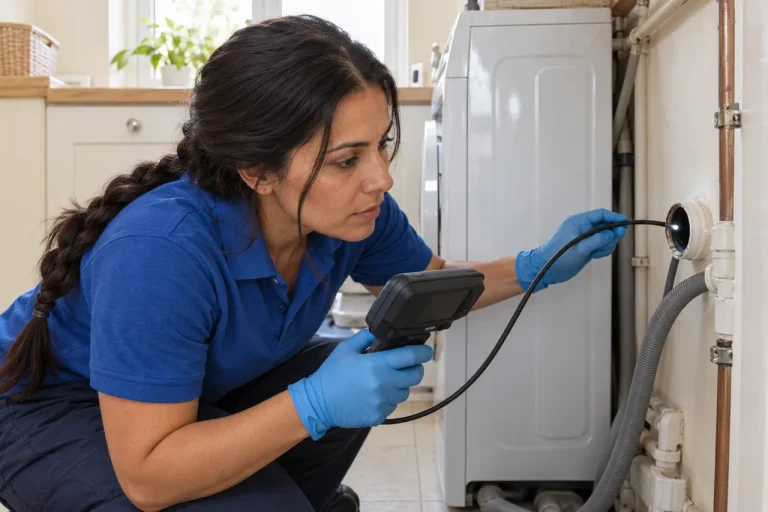
Ask what evidence identifies mice, which entry points are confirmed and which remain possible. Find out whether signs suggest movement through a wall or floor void. Ask what can be inspected now and what would need another trade to open safely. A clear explanation should distinguish observations from assumptions.
Ask how any control measure will be monitored, what a follow-up visit would look for and what you should record between visits. If proofing is recommended, clarify whether it should happen immediately or after active movement has been assessed. Ask who should make each repair and whether a vent needs to remain open for airflow.
The mice control service in Pinner describes an inspection led approach with practical aftercare. Use that outline to discuss the particular findings in your home. If the evidence could instead indicate rats, request identification before choosing a route; the rat control page covers the separate service.
Prepare for clear aftercare
Before the professional leaves, write down the agreed actions. These might involve safe access, cleaning, monitoring, food storage or building repairs, depending on what was found. Ask for instructions in a form everyone in the household can follow. If a landlord or managing agent is responsible for a repair, share the relevant findings with them promptly.
Keep your original photographs and add dated follow-up observations in the same place. Note when an area was cleaned or repaired so an old mark is not confused with a new one. A treatment decision is only one part of resolving a mouse problem; understanding the route and checking whether activity continues matter just as much.
Good preparation makes the visit more efficient without forcing a conclusion in advance. Give the inspector evidence, access and honest limits on what you know. That is a stronger starting point than a spotless room with every clue removed.