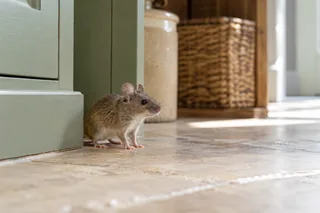

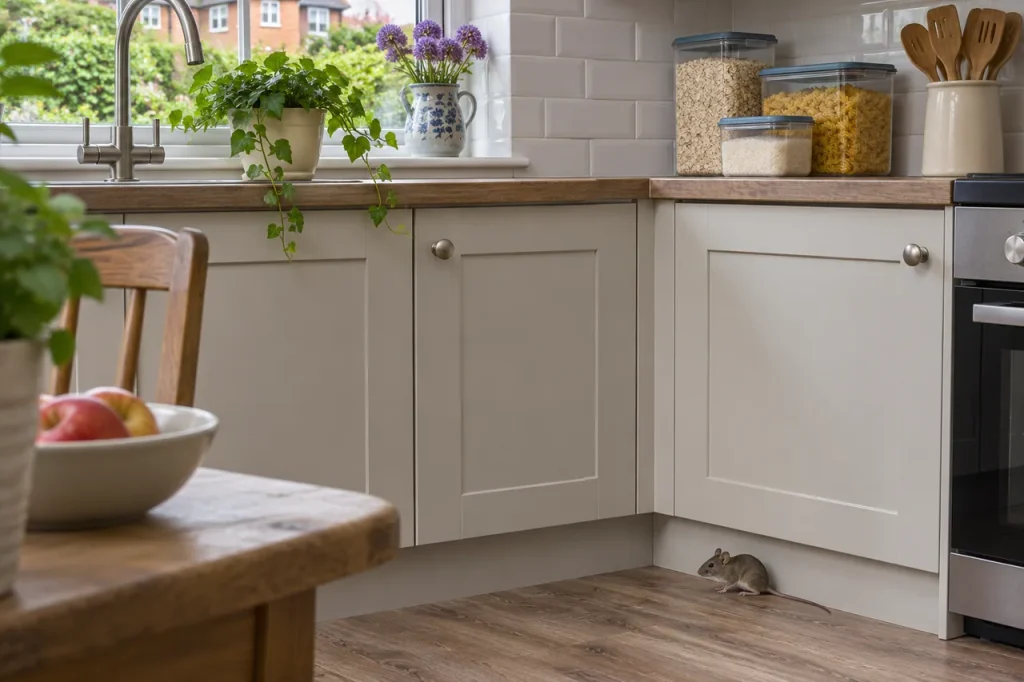
Seeing a mouse cross the kitchen floor can make you want to empty every cupboard at once. A more useful first response is to keep the room safe, protect food and record what happened. The sighting confirms that an animal was present, but it does not tell you where it entered, whether others are present or which spaces need attention.
Take a moment to note the time, direction of travel and where the mouse disappeared. If it went beneath a fitted unit, do not dismantle the kitchen in pursuit. Keep children and pets away from the area and begin with checks you can carry out safely.
Secure food and preparation surfaces
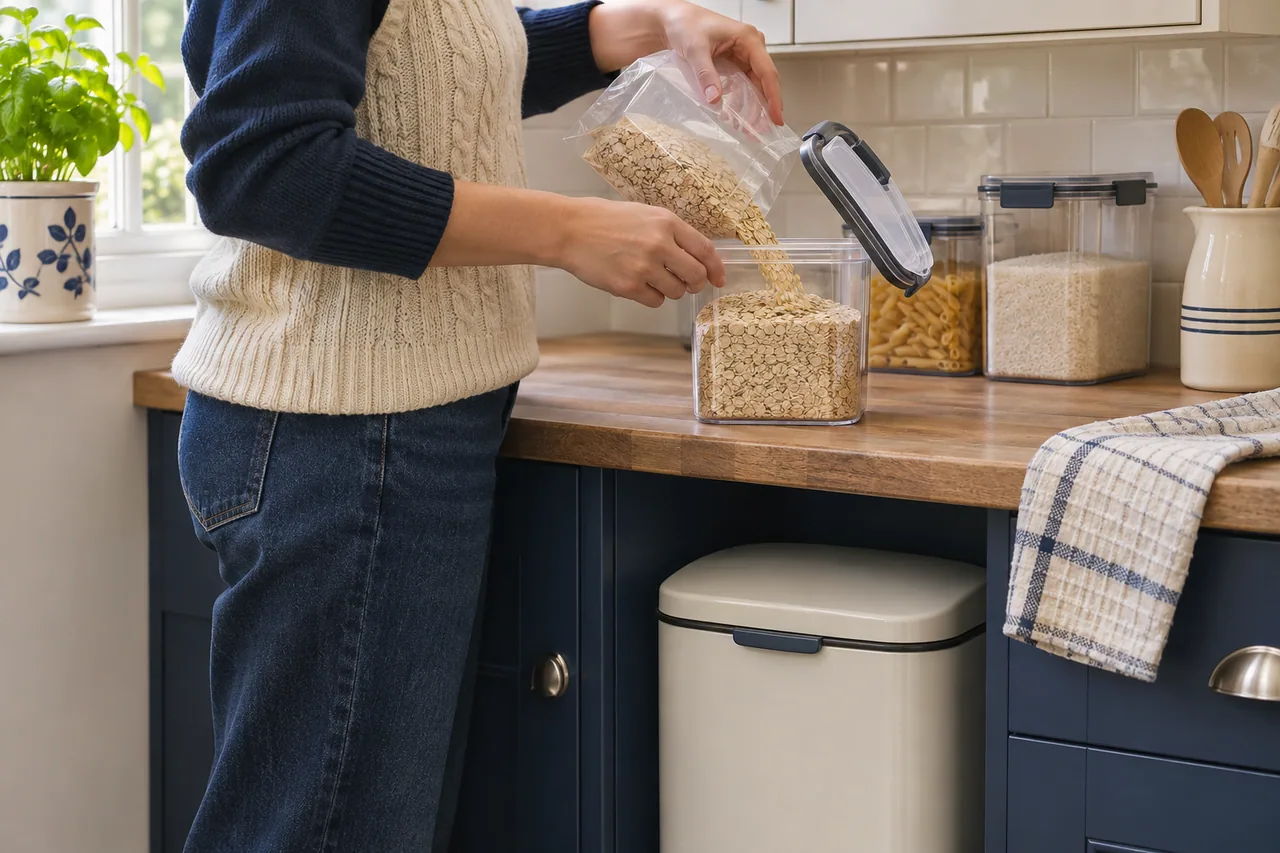
Put open food into closed containers and inspect packaging that was left near the route. A packet with a gnawed opening or visible contamination should not go back into the cupboard. Separate affected items from clean food while you assess what needs discarding. Wipe food preparation surfaces before they are used again, following the cleaning product's instructions.
Clear crumbs, spills and pet food left out overnight. Close the bin lid and check whether food waste is collecting behind it. These are immediate housekeeping steps, not a diagnosis or a substitute for finding an entry route. A mouse may still travel through the room even when no obvious food is available.
Avoid moving all stored goods into another room without a plan. Check them as you move them and keep containers closed. This reduces the chance of transferring contaminated material or obscuring where the activity was concentrated.
Record the sighting while it is fresh
Write down where you stood, the mouse's approximate size and colour, the route it took and where it vanished. A short video or photograph can help, but do not corner the animal to get one. If someone else saw it, ask them to record their own observation rather than merging the accounts immediately.
A sketch of the kitchen can be useful. Mark the sink, appliance spaces, bin, cupboards and the point where the mouse disappeared. Add any earlier sounds or marks. This gives an inspector a starting route to examine and makes it easier to spot repeated movement on another day.
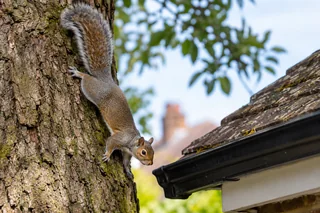
If you have seen something small in a loft or garden instead, do not assume it was the same animal. Squirrels, rats and other wildlife require different assessment. Keep the kitchen sighting separate from evidence elsewhere until there is a clear connection.
Look for signs without disturbing them
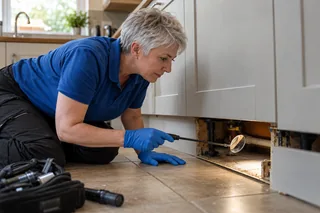
Use a torch to check accessible cupboard edges and the floor under the sink. Mouse droppings may be dark, narrow and roughly rice sized, according to British Pest Control Association guidance. Look for gnawed packaging, small marks beside a wall and gaps around visible pipes. Photograph any finding from a safe distance before cleaning.
Do not put your hand behind an appliance or into a hole. A kitchen contains wiring, hot surfaces and sharp fittings as well as possible contamination. If a fixed kickboard or cooker needs moving, leave that work to someone able to manage the appliance safely.
One sighting does not tell you how many mice are present. Conversely, no further sighting does not prove the animal has gone. Dated evidence is more reliable than either assumption. Check the same accessible positions over the next few days and record any new signs.
Clean suspect material carefully
Do not sweep or vacuum suspected rodent droppings or nesting material. UK Health Security Agency guidance warns that dry disturbance can put infectious material into the air. Its published advice is written around pet rodents, but this precaution is relevant to suspected mouse waste in a home.
If the material must be cleared, follow appropriate public health advice: wear gloves, remove it with a damp disposable material, bag the waste, clean and disinfect the surface, and wash your hands. Avoid mixing cleaning products. Where contamination is extensive or lies inside insulation, an appliance or a hard to reach void, seek professional advice rather than improvising a clean-up.
Tell others in the household which cupboard or surface is affected. Keep children and pets away until it has been assessed and cleaned. Take photographs first if that can be done without contact; a photograph can preserve evidence that cleaning necessarily removes.
Check the likely access points
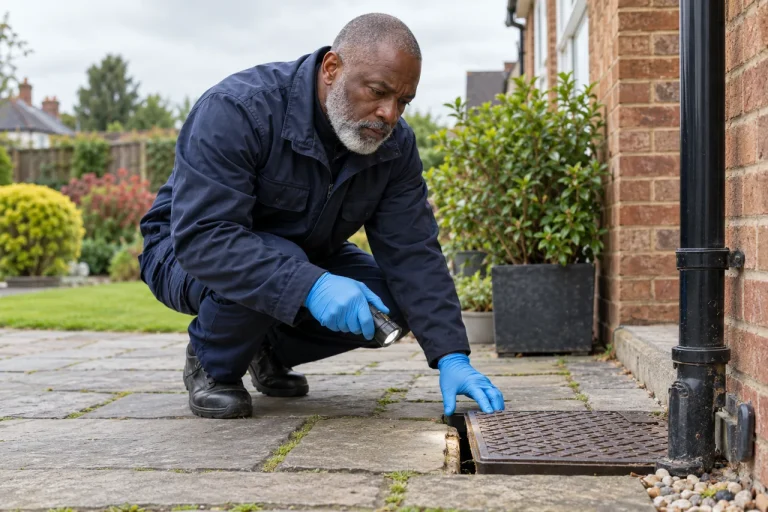
From the sighting route, inspect visible pipe penetrations, skirting edges and the base of external doors. An opening as small as a few millimetres may be relevant to mice, but a gap alone does not prove it is active. Look for nearby droppings or repeated marks and note which spaces you cannot inspect.
Do not immediately seal every hole. Closing a route without knowing where the animal is may leave it inside a void or redirect movement into another room. An inspection can help identify active routes and decide how proofing should be sequenced with control.
If the property is rented or part of a shared building, tell the landlord or managing agent promptly. A route may pass through service spaces beyond your kitchen, and any building repair may require their involvement.
Avoid a rushed treatment decision
It is understandable to want a product that promises a quick answer. However, the correct response depends on identification, access and the presence of children, pets or other wildlife. GOV.UK says that control methods and poisons must be lawful and used for their intended species. If you are unsure, seek professional advice before putting anything down.
The mice control page for Pinner sets out an inspection led approach. Explain the exact sighting and show the evidence you have recorded. Ask what was confirmed, which spaces were inaccessible, what needs repair and how activity will be monitored after any intervention.
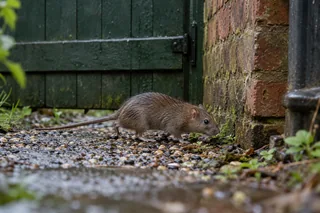
If the animal looked larger or you find substantially larger droppings, ask for identification rather than assuming it was a mouse. The rat control service covers a separate assessment and response.
Plan access for an inspection
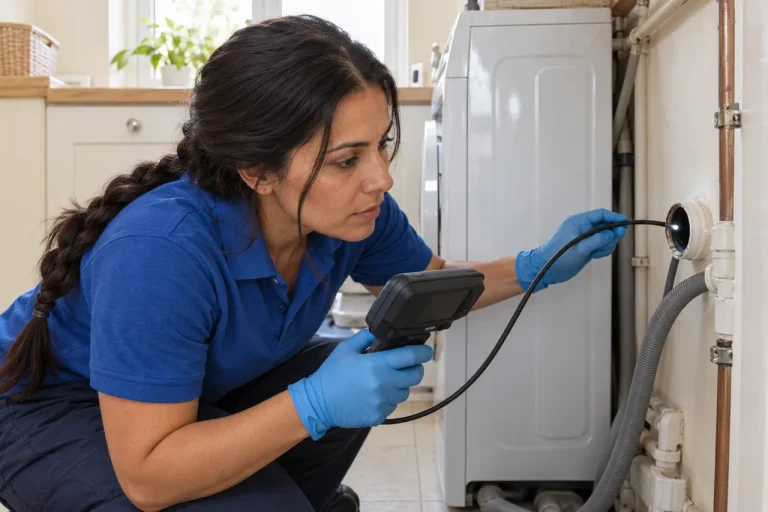
Before a visit, make the cupboard under the sink and other affected areas accessible without emptying the kitchen. Move items into containers, keeping anything damaged or suspect separate. Do not remove fitted panels unless asked and able to do so safely. Note any appliance that cannot be moved, any pipework hidden behind units and any repairs to the wall or floor.
Tell the inspector about a pet's usual feeding place and where children spend time. These details help them assess access and discuss suitable precautions. If you have used a control product already, keep its packaging and explain where and when it was used; do not add another product while waiting for advice. A clear record avoids confusion about which signs appeared before and after an intervention.
If a route cannot be confirmed on the first visit, ask what observation would help clarify it. Useful aftercare should identify where to look, what to record and when to report new signs.
Make the following days useful
Keep food protected and repeat a brief check of the same accessible areas. Record whether new droppings, damage or sounds appear. A quiet interval may be encouraging, but it is not a substitute for checking the route and completing any necessary repairs.
When an inspector or maintenance worker visits, share your notes before the area is changed. A clear account of one sighting, accompanied by photographs and dates, is better than a guess about the size of an infestation. It helps direct attention to the places that matter while keeping the household's first response calm and proportionate.