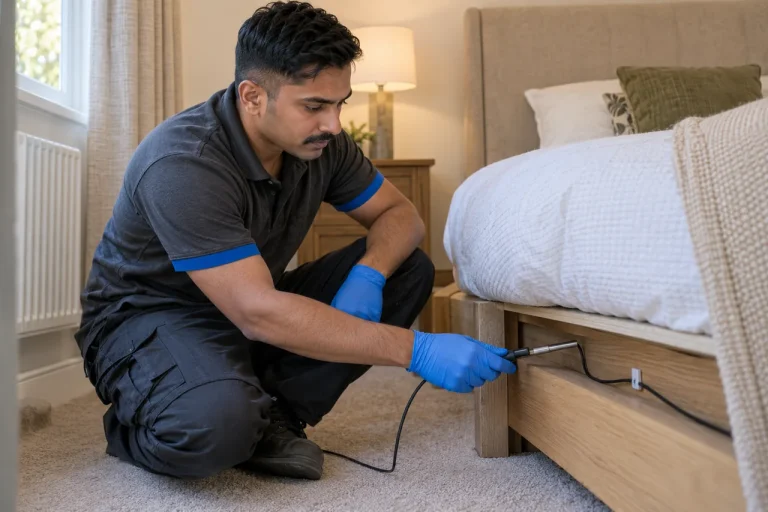



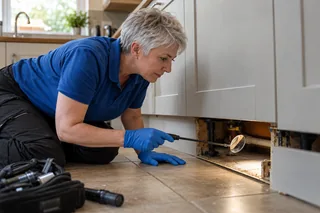
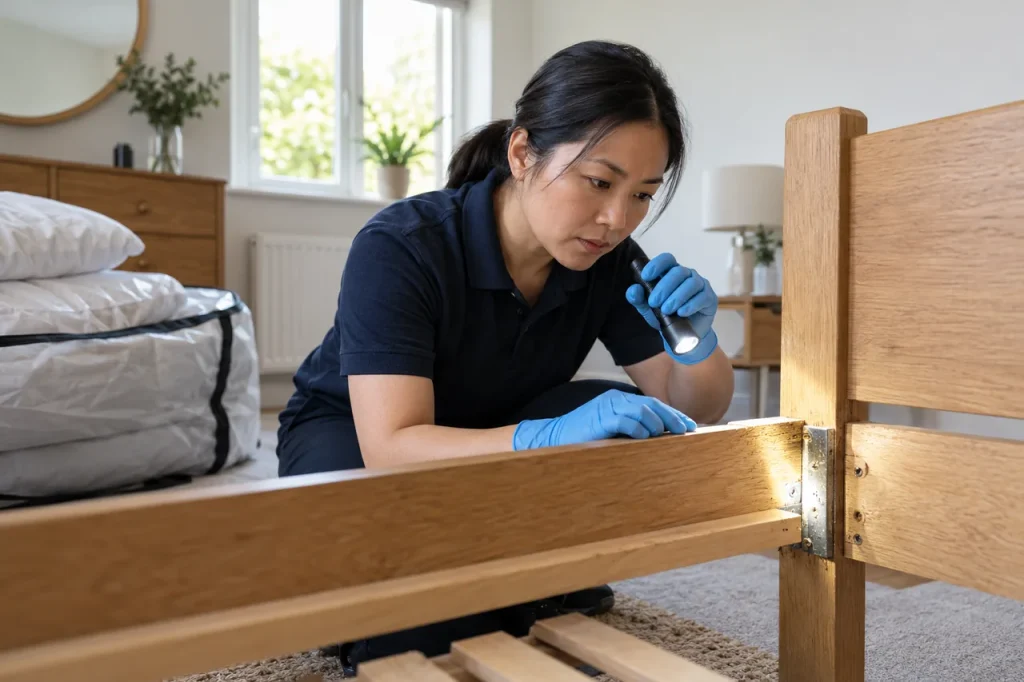
A bed bug check works best as a slow, contained inspection. Turning a bedroom upside down can hide the very evidence you need and may move an insect to another area. Start at the bed where someone sleeps, look for several types of sign and record exactly where each one appears.
You do not need specialist equipment for an initial check. Good light, a phone camera, a notebook and a clear container for a suspect insect are enough to make useful observations. If the evidence is uncertain, a professional can confirm the identification before treatment is planned.
Prepare the space
Choose daylight or a bright lamp and allow enough time to inspect one area at a time. Have a torch for seams and joints. Move a bedside item only as far as necessary, keeping it in the room. Avoid carrying suspect bedding to another bedroom or placing it on a sofa.
Make a simple sketch of the bed and label the head, foot and each side. This helps you record where a mark was found. Photograph a wide view before a close image so a pest inspector can connect the clue with the location. Include a ruler or coin when photographing an insect or shed skin.
If you have already sprayed or cleaned the area, note what you used and when. Products can affect what an inspector finds. Do not apply more chemicals immediately before the check, especially into cracks you intend to inspect.
Keep a small bag ready for laundry but do not assume every textile in the room needs washing. Moving every item at once can spread the concern and make its original location impossible to remember. Prioritise bedding that was on the bed during the inspection and follow later treatment instructions for the rest.
Check the top layers first
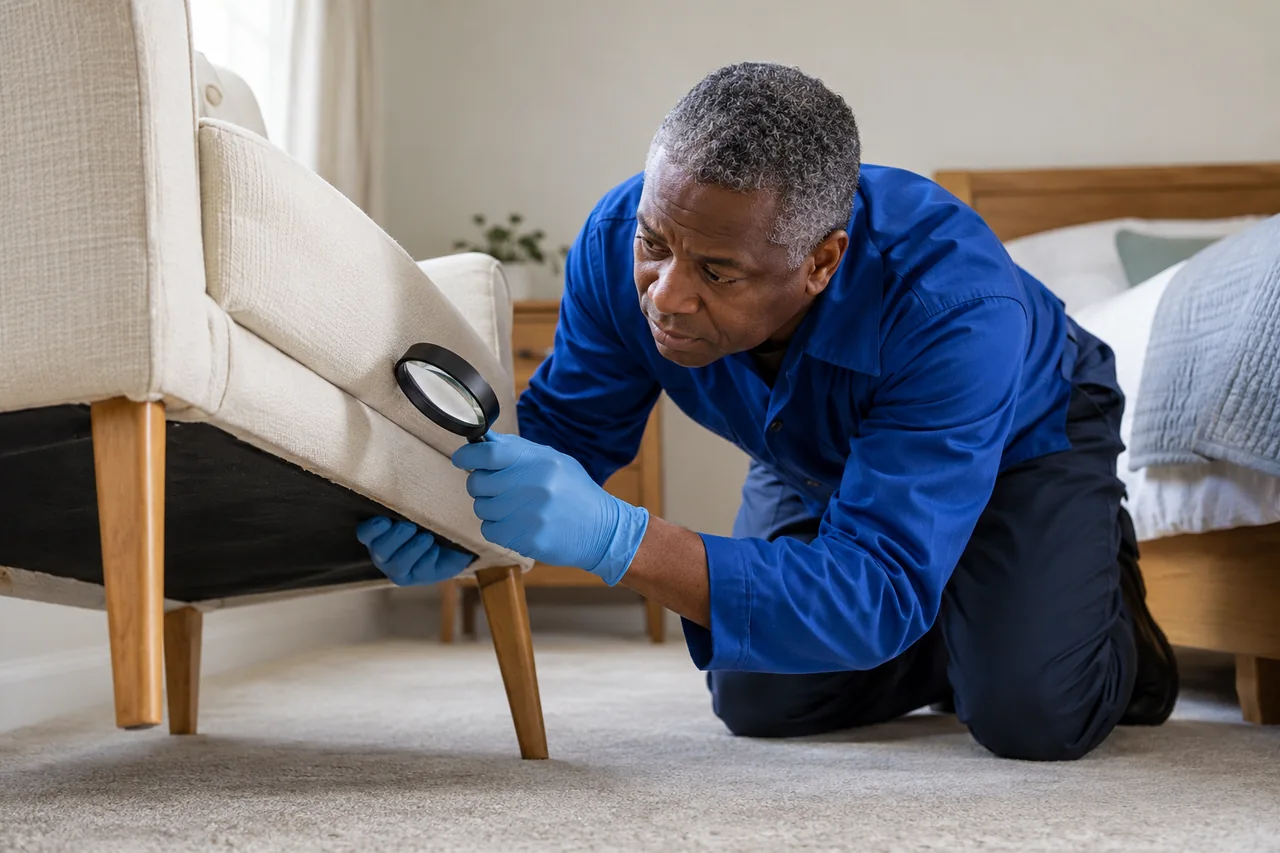
Look over pillowcases, sheets, the duvet cover and any mattress protector. NHS guidance lists small blood spots and brown spots on bedding as possible signs. These marks are not unique to bed bugs. Record their location and whether they form a repeated pattern near the same edge.
Remove one layer at a time and keep it contained. If it needs laundering, place it directly into a bag or the washing machine rather than carrying it loose through the home. Do not shake it out over the carpet. A careful sequence makes it easier to trace where any insect was actually found.
Inspect the underside of the pillow and the folds of a protector. A bug found on top of a sheet is useful evidence, but check beneath it for more signs before concluding how extensive the activity is. Photograph first, then decide how to handle the item.
Follow the mattress seams
Run the torch slowly along piping, labels, handles and stitched edges. Lift each fold just enough to see inside it. Bed bugs can hide in narrow spaces during the day, so a quick glance over the flat top of the mattress may miss them.
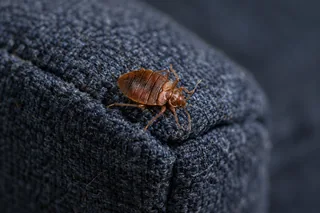
Look for live insects, shed skins and clusters of dark marks. The NHS describes adult bed bugs as around five millimetres long. Nymphs can be smaller and paler. A mark that resembles ink may be waste, but ordinary dirt and fabric damage can look similar. Photograph a suspected cluster without rubbing it away.
Turn a light mattress only if you can do so safely and without dropping it against other furniture. If it is heavy or awkward, leave the far side for a professional. Do not cut open the mattress or remove its cover to search further; that can damage it and complicate containment.
Inspect the frame and headboard
Look along the edges of slats, joints, screw holes and the back of the headboard where accessible. Coventry City Council notes that bed bugs hide in cracks and can occur in bedside furniture as well as the bed. Use the torch from different angles to see into narrow gaps.
Do not dismantle an unstable frame alone. If a headboard is fixed to the wall, inspect the visible perimeter and tell the pest professional what you could not reach. A limitation is more useful than a guess that the hidden side is clear.
For a divan base, look around fabric seams, feet and accessible storage edges. Keep drawers close to the bed during inspection. A small item moved to another room may carry an unseen insect, while leaving it nearby preserves the context for a later professional visit.
Move outwards in a measured way
If the bed shows signs, check the nearest bedside table, skirting board, upholstered chair and picture frame. The NHS lists furniture, clothing and loose wallpaper among hiding places. Begin close to the sleeping position and expand only as the findings justify it.
Inspect seams and joints without emptying every cupboard. Note where you find nothing as well as where you find marks. An inspector can then concentrate on unexamined areas and avoid repeating the same superficial check. Keep suspect items in their original room unless a treatment professional gives different instructions.
Do not throw away a mattress simply because you found one stain. Disposal can be costly and may spread an infestation through a hallway. A confirmed diagnosis and treatment plan should determine what happens to furniture.
If more than one bed is used in the property, inspect each sleeping area separately and label its photographs. This is particularly helpful when people have moved rooms recently. Avoid using the same loose bedding on several beds during the check. A professional may need to compare findings across rooms before deciding the treatment area.
Handle a suspected insect carefully
If an insect is visible, take a clear photograph before it moves. If safe and practical, place it in a small sealed container for identification. Avoid crushing it against the bedding, which can leave a misleading stain and obscure its features.
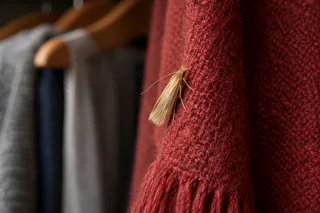
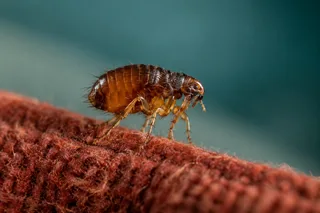
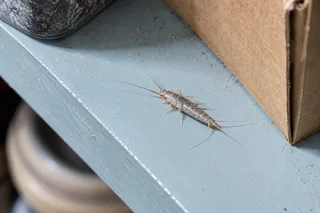
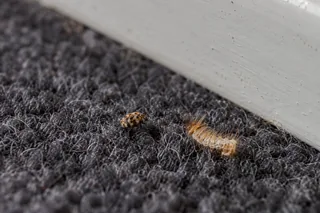
Many insects resemble bed bugs at a glance. A clear image of the whole body, with scale, can help a professional distinguish them. Note whether it came from the mattress seam, a bedside drawer or luggage. The location affects what to inspect next but does not by itself prove a wider infestation.
If you find no insect, keep the other observations. Repeated dark marks or shed skins may still justify an assessment. Conversely, bites or a single blood spot without physical evidence may have another cause. Hastings Borough Council cautions that bites alone do not establish bed bugs.
Finish without spreading the concern
Put inspected items back in the same area unless they are going straight into contained laundry. Wash your hands after handling suspect material. Do not carry bedding around to show another household member; share your photographs instead.
Record the date of the inspection and any evidence you found. If you repeat the check, use the same route around the bed so changes are easier to notice. An observation log is more reliable than trying to remember whether a spot was present last week.
Avoid using several shop-bought sprays or a room fogger while awaiting identification. Bed bugs can be difficult to find and treat. The NHS recommends contacting a council or pest control service when you think they are present.
For a Pinner bedroom with suspect signs, a bed bug treatment assessment can confirm what you found and explain the next steps. Bring photographs, your location notes and details of any cleaning or products used. A careful initial inspection makes that conversation much more useful for everyone involved in treatment.