


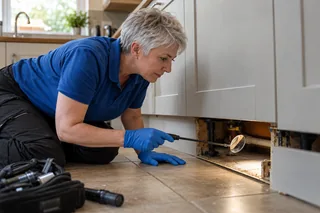

After a bed bug treatment, it is natural to inspect the room closely. A useful follow-up checks for new evidence without disturbing the work or treating every old stain as a fresh problem. The provider's written instructions should set the cleaning, re-entry and review schedule for the method used.
Keep a simple record and know when to call. Different treatments can leave different short-term signs, so ask the provider what they expect before deciding whether the result is satisfactory.
Read the handover report
Confirm which rooms and items were treated, which method was used and whether any area could not be reached. Keep the report with the preparation checklist. If a neighbouring room or a packed item was excluded, note that limitation when interpreting a later finding.
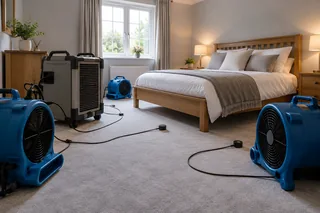
Follow the stated re-entry time and ventilation instructions. Barnet Council provides specific directions for its own spray treatment, including a period when rooms must not be entered or vacuumed. Another provider or method may have different rules. Do not copy a council timetable onto a heat treatment or assume the reverse.
Ask who to contact about a live insect, a disturbed treatment area or an item you forgot to disclose. The provider should also explain when the scheduled follow-up will happen and whether another visit is part of the agreed service.
Establish a starting record
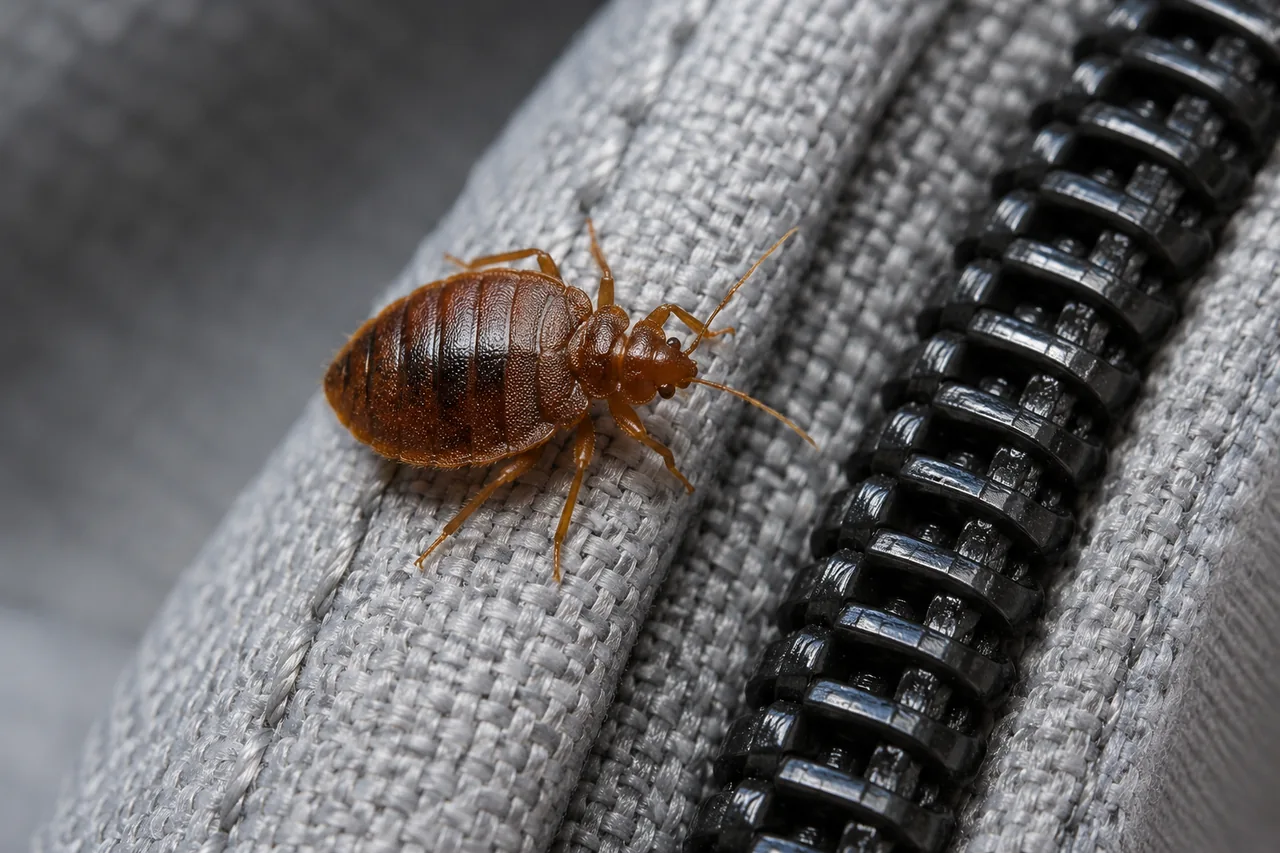
On the first safe return, note the date and condition of the room without dismantling it. Photograph any old marks that remain so you can compare them later. An unchanged spot on a headboard is not evidence of a new infestation simply because you notice it after treatment.
Use a basic sketch to mark the bed, nearby furniture and areas treated. For each later sign, write down its exact position and whether it is a live insect, shed skin, dark mark or blood spot. Clear categories make a follow-up conversation more useful.
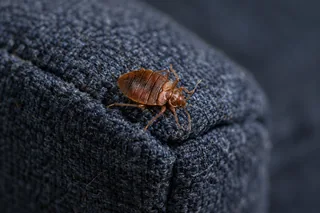
Keep photographs in date order. A wide view followed by a close image with scale helps identify a new insect. Do not rely on a screenshot with no location information, especially if several bedrooms were included in the treatment.
If you use monitoring devices supplied by the provider, ask where they should remain and when they will be checked. Do not move one because it looks empty. Its position may be part of the assessment. Note any damage or accidental disturbance and tell the technician before drawing conclusions from its contents.
Inspect without undoing treatment
Check accessible mattress seams, bed frame edges and nearby furniture using a torch. Do not scrape, wash or vacuum a treated surface unless the provider has said it is time. Residual products may need to remain in place for a specified period.
Likewise, do not move untreated bags back into the bedroom simply because the main room has been treated. Follow the item handling plan. A bag that was excluded from treatment can carry an insect into a cleared area.
Avoid adding shop-bought sprays while monitoring. Mixing products can interfere with the provider's plan and create unnecessary exposure. If you have already used one, tell them what it was and where it was applied.
Understand short-term sightings
Some providers warn that live bed bugs may still be seen briefly after a chemical treatment. Barnet Council says sightings can occur for a few days after its service, while Middlesbrough Council describes a longer possible period and follow-up for its own spray method. These are service-specific statements, not a guarantee that any new sighting is harmless.
Report a live insect according to your provider's instructions. Record whether it was moving, where it was found and the treatment date. Ask whether the finding fits the expected course or changes the follow-up plan. A provider can interpret it in light of the product, the room and any untreated areas.
Do not judge the result only by whether someone has itchy marks. Skin reactions differ and marks may have another cause. Physical evidence in the room gives the pest professional a stronger basis for assessing progress.
A calendar can help keep observations proportionate. Choose the check frequency agreed with the provider and record findings briefly. Repeated unscheduled searches can disturb belongings and make an old mark appear new. If anxiety about the room is affecting sleep, say so during follow-up; the provider can explain what evidence would justify action.
Keep sleeping arrangements consistent
Ask the provider whether occupants should continue using the treated bed after the safe re-entry time. Avoid shifting bedding and people between rooms without advice. Moving belongings can make later evidence harder to trace and may carry an insect to an untreated area.
If someone cannot use the room because of a practical or health concern, tell the provider before moving items. They can advise how to contain belongings and whether another area needs inspection. Keep a dated note of any room changes so a later finding has context.
Use only clean, processed bedding as directed. Store it apart from untreated laundry. A clear separation reduces the chance that a problem with an unprocessed item is mistaken for failure of the room treatment.
Know when to contact the provider
Call promptly if you find repeated live insects, activity in a room that was not treated or a suspect insect on an item that was excluded. Share clear photographs and the exact locations. Explain any cleaning or furniture movement since treatment.
Contact the provider if a treated surface was washed or vacuumed earlier than instructed. They can decide whether the plan needs changing. Do not conceal a missed preparation step; accurate information matters more than blame.
If a skin reaction is painful or worsening, seek health advice separately. The NHS advises a GP when bites remain very painful, swollen or itchy after pharmacy treatment, or when pain or swelling spreads. A pest technician cannot diagnose the rash.
Review progress at follow-up
Bring the date-ordered record to the follow-up visit. Ask what the technician found this time and how it compares with the original inspection. A repeated sign in the same joint may mean something different from an insect found in recently introduced luggage.
Request an explanation of any proposed second treatment: which areas, why and what preparation is needed. Confirm whether cleaning instructions reset after the new visit. Keep the updated report with the earlier one so you do not rely on an outdated timetable.
If no current evidence is found, ask how long to keep monitoring and when normal cleaning can resume. The goal is to return to ordinary use of the room with a clear plan, not to inspect every seam indefinitely.
Ask when sealed items can safely return and whether any untreated bag needs a separate method. Keep labels until the provider confirms each item has been fully processed.
Reduce the chance of a new introduction
Treatment addresses the insects in the covered area; it cannot prevent new ones arriving. Check second-hand furniture and luggage before bringing them into sleeping areas. Keep the treatment record so a future inspector can distinguish earlier activity from a new concern.
Do not interpret every later bite as proof that the original treatment failed. Start again with a focused physical check and identify any insect found. An accurate new diagnosis avoids repeating an unnecessary method.
For a Pinner property with signs after bed bug treatment, share your monitoring log and the provider's report. A clear record of what was treated, what remained outside the plan and where new evidence appeared will guide the next decision.


