


Heat treatment is one professional option for a confirmed bed bug problem. Specialist equipment raises the temperature of an affected room or its contents so that insects and eggs receive a lethal heat exposure. The important detail is where the insects actually hide, not simply how warm the open air feels.
This guide explains the process at a household level and the questions worth asking a provider. A treatment plan should follow an inspection, because heat is not automatically the best method for every room or every item.
First confirm the infestation
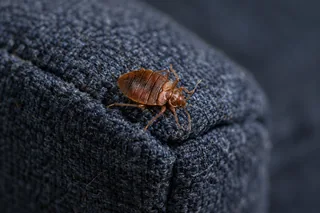
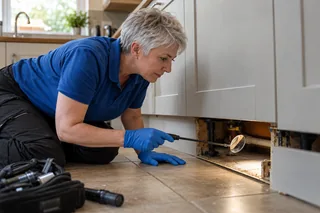
Before choosing a method, ask how bed bugs were identified and which rooms show activity. Bites alone do not prove their presence. Look for a live insect, shed skins, dark marks near hiding places or other physical evidence. A provider should explain what was found and where.
The extent of treatment depends on the inspection. A single bedroom and a shared building raise different questions about neighbouring rooms, belongings and access. Tell the provider about luggage, furniture moves and any products already applied. Those details may affect the plan.
Do not begin moving all furniture out of the room. An insect can travel with an item, and moving it may obscure where activity began. Wait for a written preparation list linked to the proposed heat method.
If several rooms show initial evidence, ask whether they will be heated together and where suspect belongings should wait during the scheduled treatment.
How professional heat works
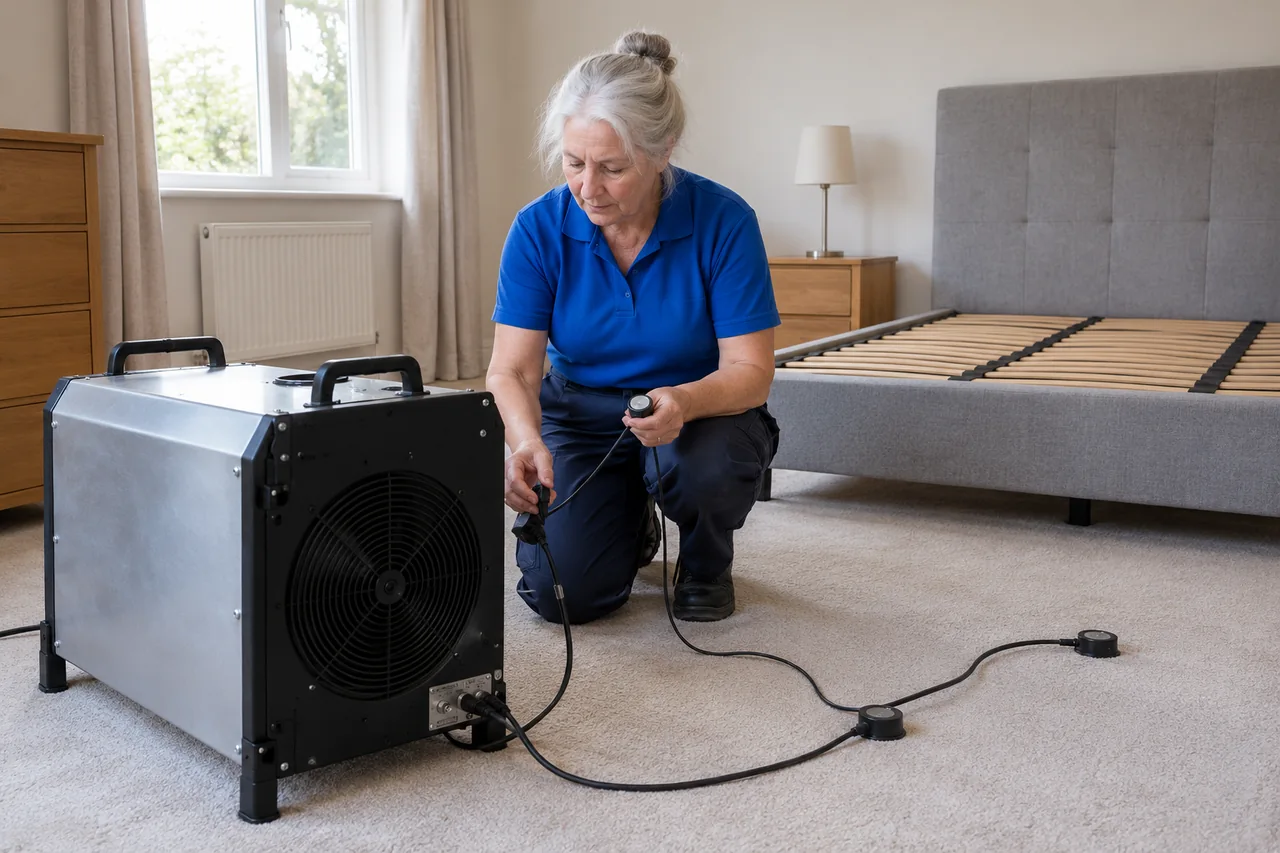
BPCA guidance on heat treatment explains that effective exposure must reach the insect, including those sheltered in materials. Heating the room air alone is not sufficient. Professional equipment and temperature monitoring are used to manage the process.
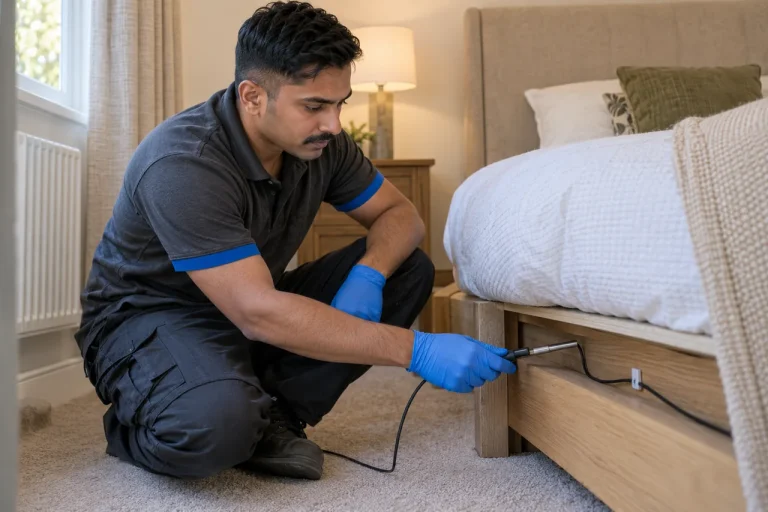
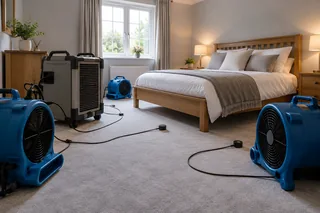
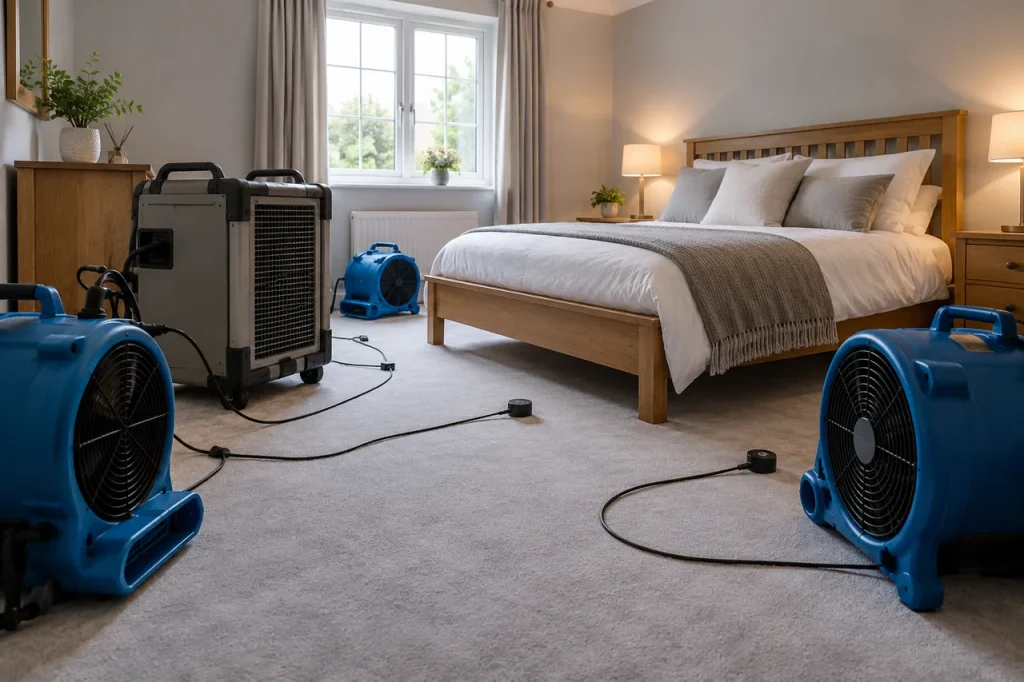
The provider may position heaters, fans and sensors, then monitor conditions as the space warms. They may move or open suitable items to reduce cold spots. The exact equipment, temperatures and duration depend on the system and the room. Ask for the target conditions and how the provider checks that hidden locations reached them.
Heat treatment is sometimes described as chemical free, but the full service may include inspection, physical removal or other control measures. Clarify what the quoted package actually includes. Do not assume that a heat visit means no further monitoring or follow-up will be needed.
Why cold spots matter
Bed bugs hide in mattress seams, frame joints, furniture and cracks. A dense or insulated item can warm more slowly than the surrounding air. BPCA warns that measuring only general room temperature does not show whether insects inside such places received enough heat.
Ask where sensors will be placed and how the provider handles thick mattresses, packed drawers and inaccessible spaces. A credible explanation focuses on likely hiding places rather than a single thermometer reading near the heater. The technician may need to rearrange contents during the process while keeping them inside the treatment area.
Do not try to create a room heat treatment with domestic heaters. Home equipment is not designed to control temperature evenly or safely across concealed spaces. A badly heated room can leave insects alive while creating fire or damage risks.
The room may contain corners behind fitted furniture or spaces under flooring that need special thought. Ask how the technician assesses them. If part of the structure cannot be heated or inspected, that limitation should appear in the report with a plan for monitoring or another appropriate method.
Prepare items deliberately
Ask for a written list of items to leave, remove, open or protect. Heat-sensitive belongings may include certain electronics, medicines, cosmetics, candles or delicate materials, but the provider must assess the actual equipment and temperatures. Do not decide that every object should be removed; a hidden insect could leave with it.
Label bags and record the original room of any item that must be moved. Keep untreated and processed belongings separate. Check whether clothing should be laundered or dried before the visit and how it should be stored afterwards. NHS advice gives heat washing and drying options for suitable affected textiles, but a room treatment provider may have more specific instructions.
Tell the provider about pets, plants, aquariums and anyone with limited mobility. Confirm when occupants must leave and when they can return. If a delicate item cannot be moved safely, raise it before the day of treatment so an alternative can be planned.
On the treatment day
The technician should review the rooms and your preparation before equipment is started. Point out newly found insects, inaccessible furniture and items you were unsure about. Ask whether the confirmed treatment area has changed since the inspection.
Follow all instructions about power, doors, ventilation and access. Do not enter the heated area to retrieve a forgotten item without the provider's direction. Heat equipment and surfaces may be unsafe during operation. Keep children and pets away from the work zone.
The provider should record the process and explain when it is complete. Ask what temperature evidence is retained and how the room is checked afterwards. The key issue is whether the relevant hiding places reached the required exposure, not the total number of hours that a heater was switched on.
What heat can and cannot solve
Heat can address insects within the treated space when delivered correctly. It does not stop a new bed bug arriving later with luggage, furniture or belongings. A shared wall or untreated adjacent room may also need assessment where evidence points that way.
The treatment may not reach every item if it was removed or packed in a way that blocks heat. This is why preparation matters. Ask how items that cannot stay in the room will be handled. A bag left untreated and later reopened can undermine the result.
Hastings Borough Council describes heat as a specialist option alongside other professional methods. The appropriate choice depends on the site and provider. Ask why heat is recommended for your rooms and what alternatives would involve.
Follow-up and evidence
After the room is safe to re-enter, follow the provider's instructions for replacing belongings, cleaning and monitoring. Keep a dated record of any live insects or new marks, including exact locations. A single stain after treatment may have another cause; a live insect warrants prompt advice.
Ask whether a follow-up inspection is included and when to report activity. The written report should state which rooms and items were treated and any limitations. If an adjoining area could not be accessed, that should be clear.
Do not treat success as a promise that no bed bug can ever be introduced again. Check luggage and second-hand furniture before bringing them into sleeping areas, and seek identification quickly if fresh evidence appears.
Keep the provider's written results and your own observations in one place. If you later notice a new insect, these records help establish whether it appeared in a treated room, an untreated area or on a recently introduced item. That distinction can guide a follow-up assessment without guessing that the original treatment failed.
Questions for a provider
Ask who will conduct the treatment, how temperatures are monitored, what happens at cold spots and which items need special handling. Confirm the visit duration, re-entry advice, cost and follow-up. Ask for a written preparation checklist so household members can work from the same plan.
If you are considering bed bug heat treatment in Pinner, begin with identification and an assessment of the rooms. Share the practical limits of the property, follow the provider's item instructions and keep the treatment record for later checks.