



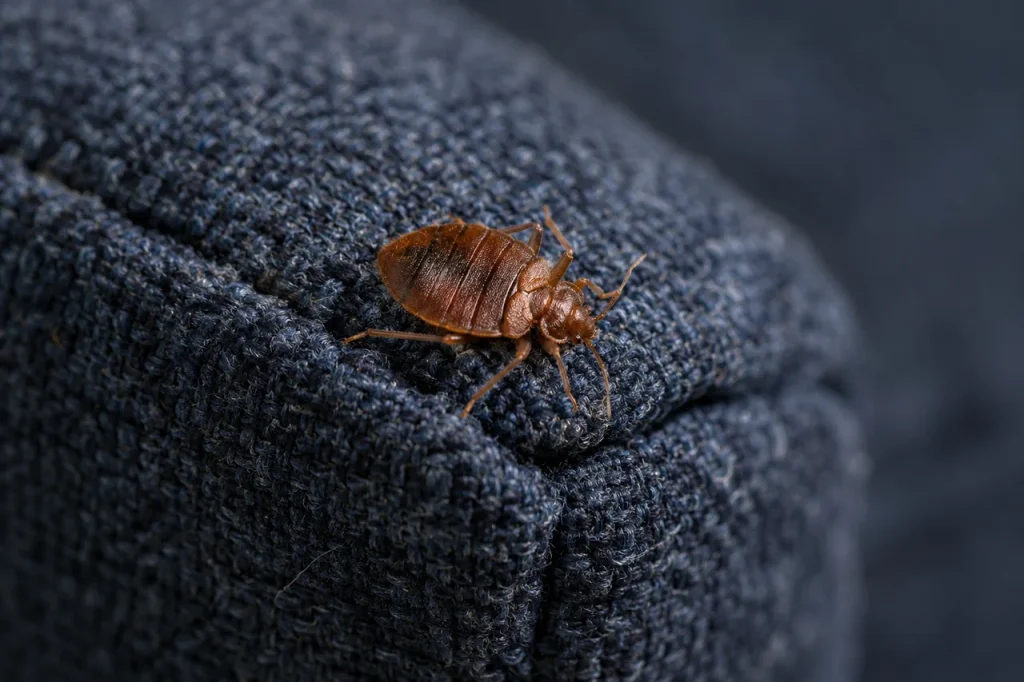
An itchy mark after sleeping can be unsettling, but it does not tell you what caused it. Bed bugs leave other clues that are more useful when considered together. An early check can help you identify a real problem without moving belongings around the home or assuming that every mark on the bed is an insect.
The aim is to inspect the sleeping area carefully, keep a record of anything suspicious and seek confirmation when the evidence is unclear. Bed bugs can occur in clean homes, so a discovery says nothing about how well you keep your room.
Start with the bedding
Look at the pillowcase, sheets and duvet cover in good light. NHS guidance lists blood spots on bedding and small brown spots on bedding or furniture among possible signs. A single stain can have many causes, so note its position and look for a pattern rather than treating it as proof.
Before washing, take a photograph of anything unusual with a coin or ruler nearby for scale. Record the date and the side of the bed. If you find repeated marks in the same area, that pattern may help an inspector focus their search. Wash the bedding for normal hygiene afterwards if needed.
Do not shake bedding through other rooms to inspect it. Carry it contained if you need to move it to a washing machine. Avoid putting suspect items on another bed or sofa, where a hidden insect could be transferred.
Examine the mattress edge
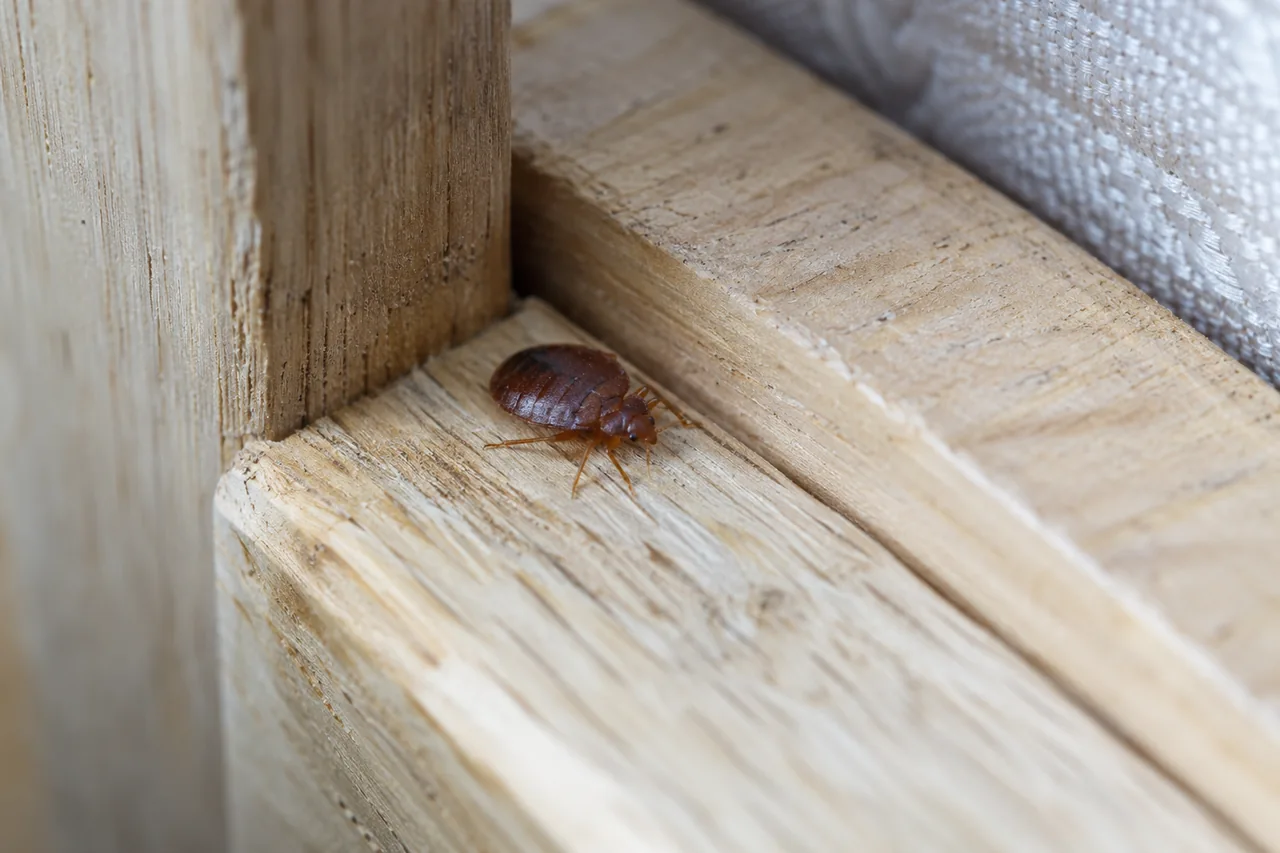
Bed bugs can hide in seams, piping and folds. Use a torch to look slowly along the mattress edge, especially near the head of the bed. Lift the sheet and inspect the seam without pulling the mattress apart. Small dark marks may be insect waste, but they can also be ordinary dirt or fabric stains.
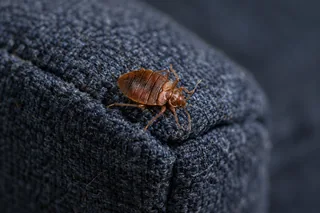
Look for an insect, a pale shed skin or repeated dark spots close to a crevice. An adult bed bug is visible to the eye; the NHS describes adults as about five millimetres long, with colour varying from dark yellow to red or brown. Young insects are smaller, so a clear photograph is more useful than memory.
Do not spray a chemical into the mattress seam to see whether anything emerges. It may complicate identification and expose people to a product used incorrectly. If you find a live insect, contain it safely in a clear sealed container if practical, or photograph it where it is.
Check the frame and headboard
Move a pillow and look at the joints of the bed frame, slats and the back of a headboard where safely accessible. Bed bugs hide in narrow spaces during the day. A cluster of dark marks near a joint is more informative than a stain in the middle of a sheet, though it still needs confirmation.
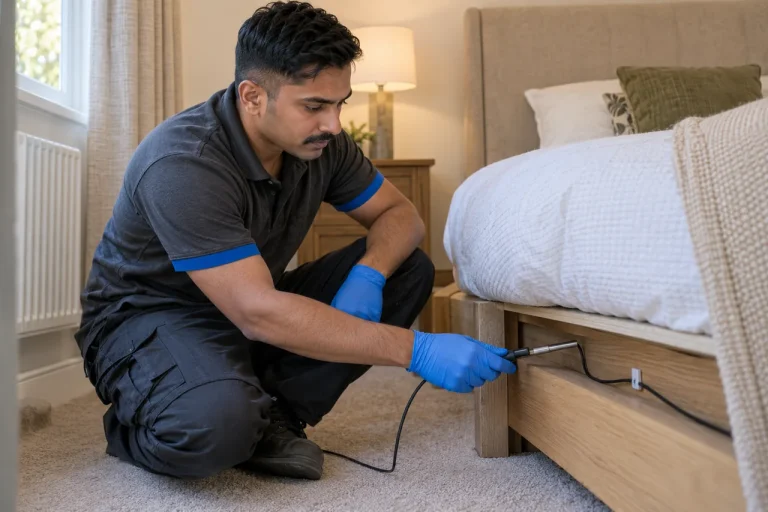
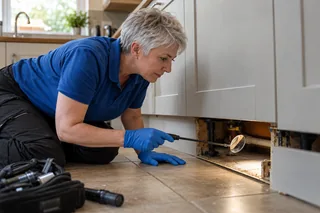
Use a torch and avoid dismantling a large frame on your own. Taking it apart can scatter evidence and create a physical hazard. An inspector may need to examine fixings and gaps systematically. Note any area that cannot be reached so the limitation is clear.
If the bed has built-in storage, inspect visible edges and handles. Keep drawers in place unless you can remove them safely. Photograph their location before moving contents. A simple map of where signs appear can help a professional judge the extent of activity.
Check the underside of a removable bedside object only if it is easy to handle without carrying it away. Place it back in its original position. The purpose of the first check is to locate evidence, not to empty the room. A careful sequence also makes it easier to remember which areas were examined.
Look just beyond the bed
The sleeping area includes bedside furniture, skirting boards, picture frames and nearby soft furnishings. The NHS notes that bed bugs can hide in furniture, clothing and behind pictures or loose wallpaper. That does not mean every item in the room is affected. Start close to where people sleep and expand the check if signs warrant it.
Look along seams of an upholstered chair or at the underside of a bedside table. Avoid moving the chair into another room for a better view. A bug hidden in a seam could travel with it. Instead, improve the light and record what you can see safely.
Keep clutter manageable so edges can be inspected, but do not begin throwing belongings away. Discarding a mattress without confirming the pest may cost money and spread insects through shared corridors. A pest professional can explain which items need treatment and which can remain.
Treat bite marks as supporting information
Bed bug bites may be itchy and can appear in groups or lines, according to the NHS. People react differently, and skin marks have many other possible causes. Hastings Borough Council specifically cautions that bites alone do not necessarily mean an infestation.
Record when the marks appeared and where on the body they occur, but do not diagnose the pest from their shape. If itching is troublesome, a pharmacist can advise on symptom relief. The NHS recommends medical advice when bites remain very painful, swollen or itchy despite pharmacy treatment, or when pain or swelling spreads.
One person may show a reaction while another sleeping in the room has no visible marks. That difference does not prove that the insects are confined to one side of the bed. Focus the pest investigation on environmental evidence rather than comparing occupants' skin.
Confirm what you have found
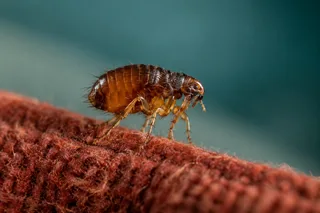
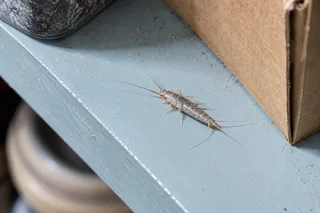
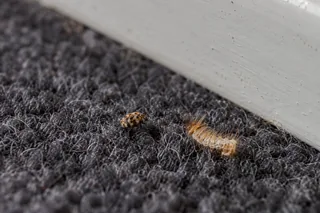
If you see a suspect insect, photograph the whole insect from above with a scale. Note exactly where it was found. Many small household insects can be mistaken for bed bugs, and a poor image may not show the distinguishing features. A specimen in a secure container may allow a pest professional to identify it.
Keep photographs of stains and shed skins too, but avoid labelling them as confirmed signs until assessed. If repeated checks reveal no insects or physical evidence, consider other explanations for bites or staining. A professional inspection may still be useful where the concern persists.
Ask an inspector which signs support the identification and what areas were checked. A clear report can prevent unnecessary treatment and guide the next steps if bed bugs are confirmed.
After a journey, record whether a suspect insect came from luggage or bedding; the locations suggest different next checks.
What to do while waiting for advice
Continue sleeping in the usual room unless a professional advises otherwise. Moving to another bedroom may move the investigation and belongings with you. Avoid transferring loose clothing, bedding or furniture between rooms. Keep suspect items contained when they must be moved for laundry.
Do not combine several shop-bought insecticides or use a fogger without a site-specific plan. Bed bugs hide in crevices and can be difficult to eliminate. The NHS advises contacting a council or pest control service if you think you have them and notes that home efforts are unlikely to remove them completely.
If you rent or live in a shared building, tell the person responsible for maintenance what you have observed, without speculating about where the insects came from. A coordinated inspection may be needed if activity is confirmed near shared walls or several rooms.
For possible signs in a Pinner bedroom, a bed bug treatment assessment can confirm the insect and explain the options. Bring dated photos, the location of each finding and details of any products already used. Early, accurate identification makes the response more focused.