


Waking with itchy marks can make bed bugs feel like the obvious explanation. Yet skin cannot identify the insect that caused a reaction. Marks may appear after different exposures, and people react differently to the same bite. A bedroom check and, where needed, professional identification provide a stronger basis for action.
This guide explains what bites can tell you, what they cannot and how to collect evidence without letting uncertainty delay care for uncomfortable symptoms.
What a bed bug reaction may look like
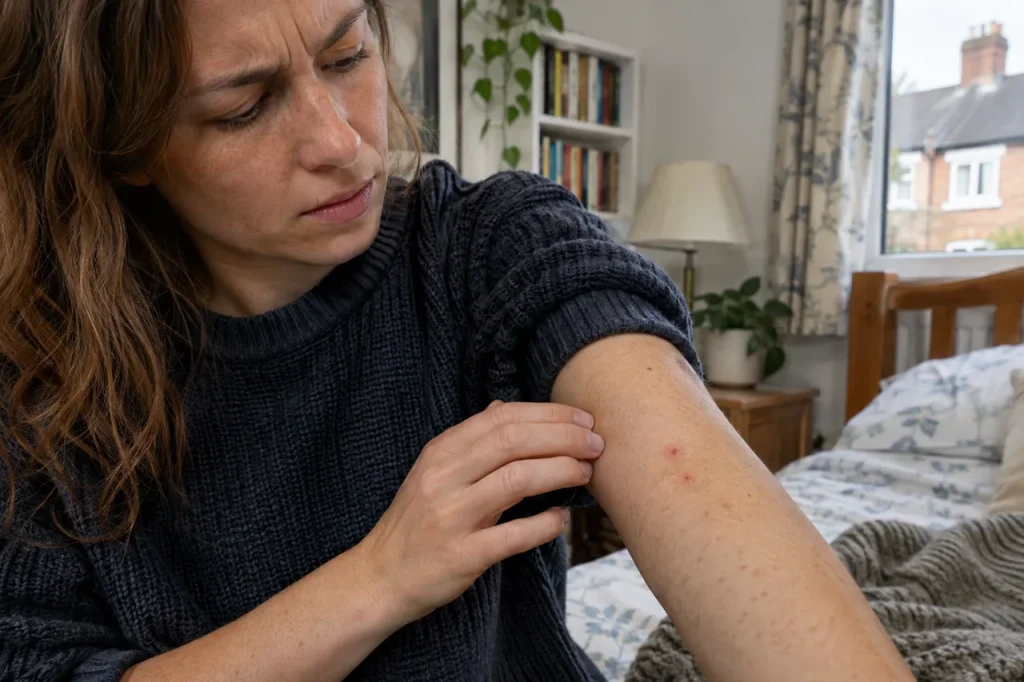
The NHS describes bed bug bites as often itchy and raised. They may appear in a line or group and can affect exposed skin such as the face, neck and arms. Some people have little visible reaction, while others have painful swelling or persistent itching.
These descriptions are useful for deciding to inspect the sleeping area, but they are not an identification test. A line of marks can have another cause. Their appearance can change as the skin heals or after scratching. A photograph may help a clinician assess the reaction, but it does not show what insect was present in the room.
Record when you first noticed the marks and whether symptoms recur. Do not assume that every mark appeared during the preceding night; reactions can be noticed later. Keep your skin record separate from the pest evidence so a professional can assess each question clearly.
If several people have marks, avoid trying to reconstruct an exact biting sequence from where each person slept. The room layout may help an inspection, but skin changes do not show an insect's route. Note who used the room and when, then concentrate on finding signs in the environment.
Why one person may react and another may not
Two people can sleep in the same room and report different symptoms. One may have obvious itchy marks while the other notices nothing. This difference does not prove that only one side of the bed is affected. Nor does the absence of marks rule out insects in the room.
People also describe sensations differently. Itching may draw attention to an existing mark that was not noticed earlier. Comparing the number of marks between occupants is therefore a weak way to judge infestation size. A pest professional will look for the insects and their physical signs instead.
Avoid blaming a person or a household's cleaning routine. Bed bugs can occur in clean as well as cluttered homes, as Gravesham Borough Council explains. Clutter may make inspection harder, but it is not the cause of a skin reaction or proof of where an insect came from.
Look for signs in the room
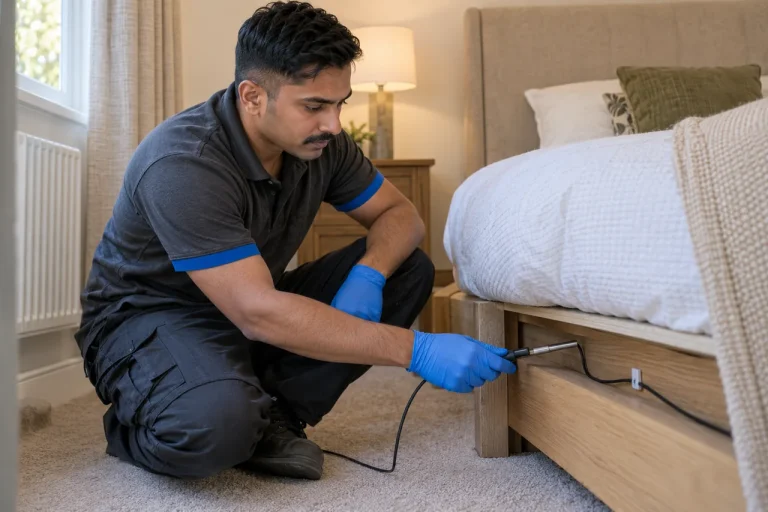
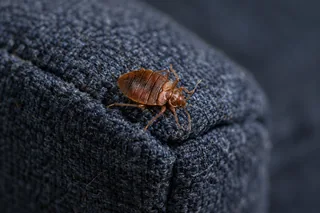
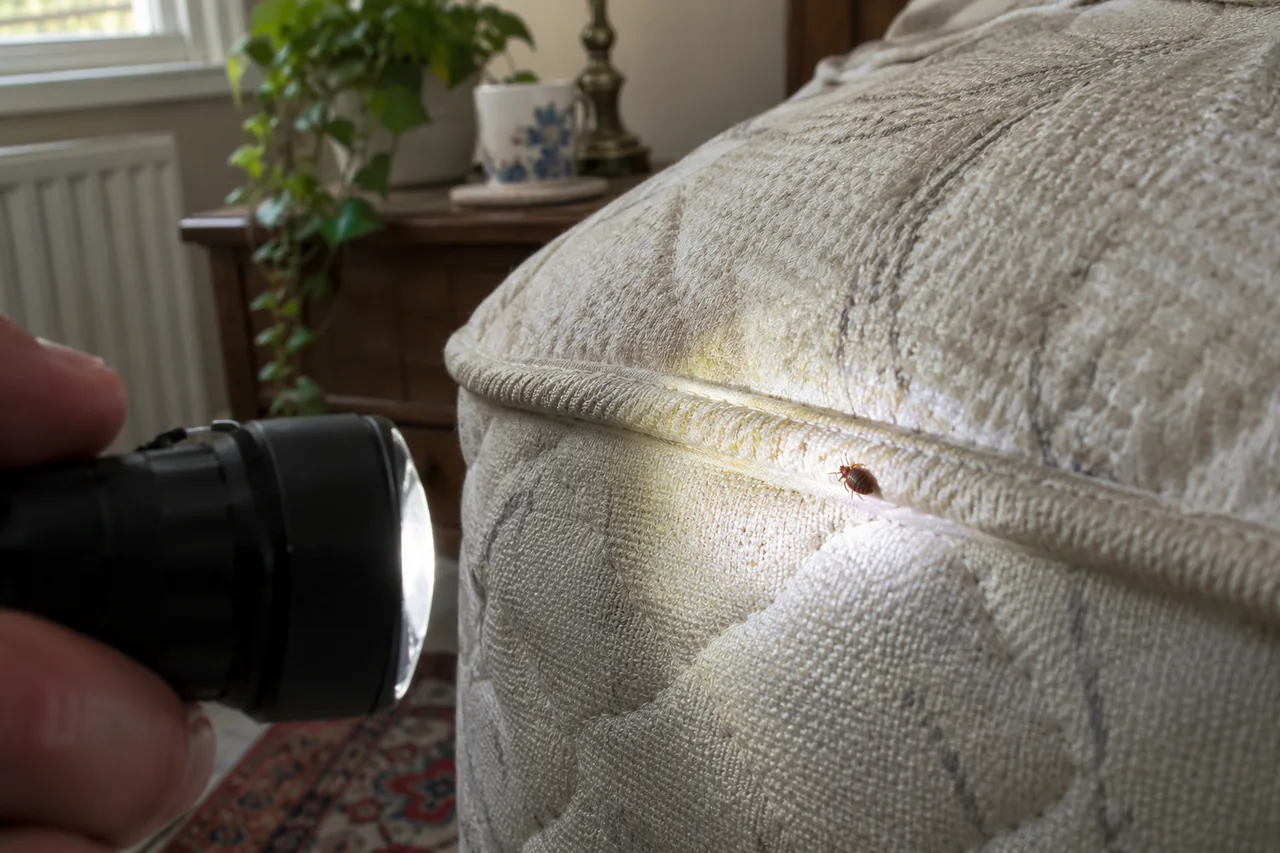
Check bedding and the bed frame in good light. The NHS lists blood spots on bedding and small brown spots on bedding or furniture as possible signs. Bed bugs may hide in mattress seams, frame joints, furniture and behind pictures. A live insect, shed skin or repeated dark marks near a hiding place adds information that a bite cannot provide.
Photograph each suspect sign with a wider view that shows its location. A close image of a tiny dot may be impossible to interpret without scale or context. Write down whether it was on the sheet, mattress seam or headboard. Keep a suspected insect in a clear sealed container if you can do so safely.
Do not scatter bedding around the house during the search. Inspect one area at a time and keep items in their original room. If bedding must be washed, contain it on the way to the washing machine. A careful check preserves evidence and reduces the chance of moving a hidden insect.
Other explanations deserve attention
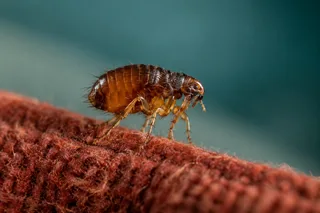
Fleas, other insects, skin irritation and environmental factors can produce itchy marks. A pest inspector can examine the room for insects, but a clinician or pharmacist is the right person to advise on the skin. Both assessments may be needed when marks persist and the bedroom evidence is uncertain.
Hastings Borough Council cautions that bites alone do not necessarily mean bed bugs. Treat a bite pattern as a reason to investigate rather than a reason to buy a treatment product. An unnecessary insecticide may create exposure without addressing the actual cause.
If a pet is scratching or you notice small jumping insects, include that observation when asking for pest advice. It may point the inspection towards another species. Do not label the cause from the pet's behaviour alone; the animal may have an unrelated skin problem.
When to seek health advice
A pharmacist can advise on relief for itching. The NHS says to contact a GP when bites remain very painful, swollen or itchy after pharmacy treatment, or when pain or swelling spreads. These signs may need medical assessment regardless of whether bed bugs are eventually found.
Severe allergic reactions are rare, but the NHS notes that they can happen. Follow NHS emergency guidance if you have symptoms of a serious allergic reaction. Do not wait for a pest identification before seeking urgent medical help for a person who is unwell.
Avoid scratching where possible and follow advice from a healthcare professional about skin care. The pest question and the health question run in parallel: evidence in the bedroom guides control, while symptoms guide personal care.
What if the room check finds nothing?
An initial search may miss a hidden insect, especially if activity is low. Note what areas you examined and repeat a focused check if the concern continues. A professional can inspect less accessible joints and nearby furniture. Absence of evidence in a quick search is not a definitive result.
At the same time, do not assume that every unexplained mark justifies repeated chemical treatment. Ask a professional what they found and whether identification remains uncertain. If no bed bug evidence appears after a thorough inspection, consider other causes with appropriate health and pest advice.
A pest inspector can identify insects or evidence in the building but cannot diagnose a rash. A clinician may treat skin symptoms without knowing what happened in the bedroom. Share their factual findings with care.
A dated record can help. Include photographs of bedroom signs, where you found them and when symptoms were noticed. Keep observations factual. A report that says a dark spot was on the headboard is more useful than a conclusion that an infestation started on a particular night.
How confirmation changes the plan
Once bed bugs are identified, the treatment provider can explain the extent of inspection, preparation, suitable method and follow-up. You may need to handle bedding or belongings in a particular way. Follow the instructions for that plan rather than treating every item in the room at random.
The NHS notes that bed bugs are difficult to get rid of yourself because they hide well and may resist some insecticides. Contact a council or pest control service if you suspect them. A competent assessment should explain what evidence supports the diagnosis and what the occupants need to do next.
If you live in a shared building, tell the relevant manager or landlord about confirmed signs so nearby areas can be considered where appropriate. Share the factual findings without speculating about who introduced the insects. A coordinated response is easier when everyone works from the same evidence.
For a Pinner home with bite concerns and possible bedroom signs, a bed bug treatment assessment can help confirm the insect. Bring environmental photographs and explain any products already used. Treat the skin symptoms on their own merits while the pest investigation proceeds.