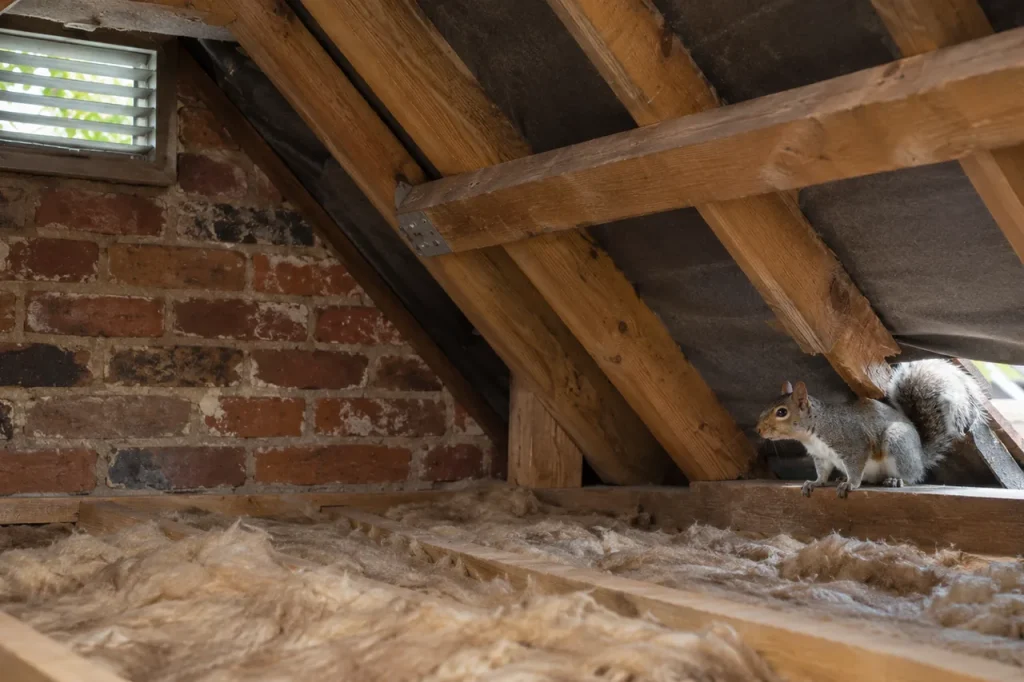
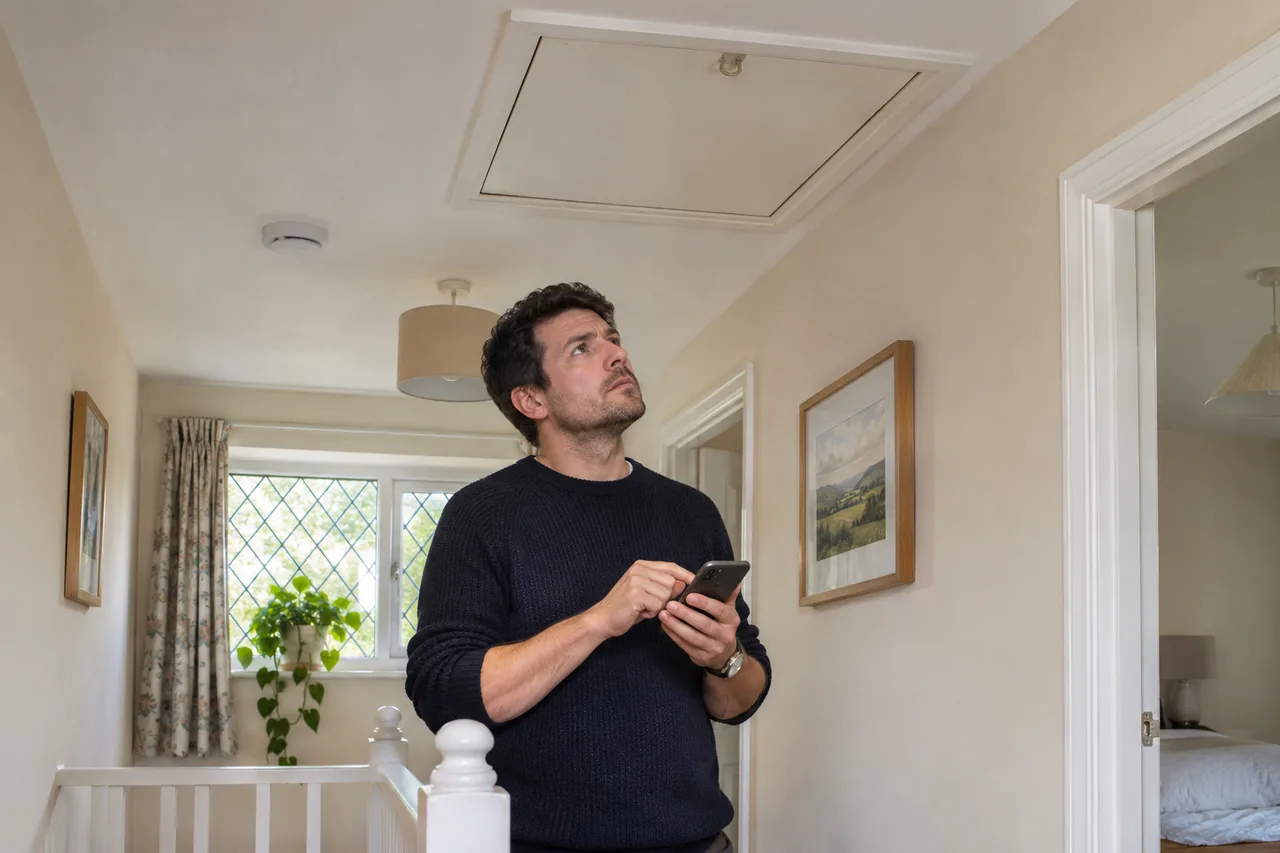
Scratching above the ceiling often leads to one question: is it a squirrel? The answer rarely lies in the sound alone. A roof can carry movement from birds, rodents or other animals, while pipes and timber can produce knocks without an animal at all. A useful assessment combines the timing and character of the noise with visible signs and a safe inspection.
The comparison below is a way to describe what you hear, not a test that confirms a species. Record the clues and let the evidence guide any treatment or roof repair.
Take care if the room below is used for sleeping.
Start with a sound diary
Write down the date, time, room and duration of each episode. Note whether the sound was a scurry, scratch, repeated tap, flutter, call or isolated creak. If it moves across the ceiling, mark the direction. If several people hear it, ask each person to describe it before comparing notes; one confident guess can easily shape everyone else's account.
Record what was happening outside. Wind, rain, a vehicle passing or a bird landing may explain a brief noise. A pattern that repeats in calm weather is more informative. An audio recording can help an inspector hear the rhythm, although a phone microphone may exaggerate some frequencies and hide others. Keep the recording short and identify where it was made.
Do not turn a quiet hour into proof that an animal has left. Wildlife may rest, use a different route or be outside when you listen. Equally, a single night of sound does not establish a resident population. A few days of dated observations usually offer a clearer starting point.
What squirrel movement may sound like
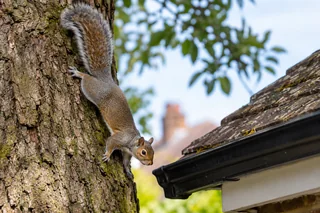
The British Pest Control Association lists scratching and rustling from a loft or wall cavity among signs of squirrels. People may also hear a quick run or a heavier landing as an animal moves through a roof space. The sound can appear to travel across joists rather than stay at one point.
Timing may support a hypothesis, but it is not decisive. If you hear activity around daylight and then see a squirrel leaving the roof at the same place, the clues reinforce one another. A squirrel on a nearby fence, however, may have no connection with the loft. Repeated entry or exit is more useful than general activity in the garden.
A nest or a dependent animal can change the rhythm of movement. Avoid assuming that louder sounds mean a larger animal or that several noises mean several squirrels. Timber can amplify a light movement, and a single animal may cross the same space repeatedly. An inspection should identify physical evidence before a control plan is chosen.
How rodent activity can overlap
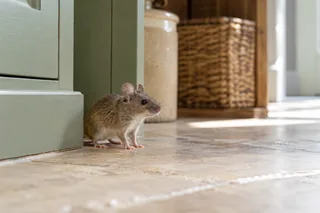
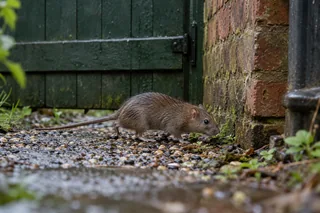
Rats and mice can scratch, scurry and gnaw inside a roof void. Their activity may be noticed after dark, but time of day cannot identify them on its own. Artificial light, household routines and the building layout all affect when a noise is heard. Treat a night-time sound as a reason to investigate, not a diagnosis.
Look for supporting evidence at safe, accessible points. Droppings, gnaw marks, greasy runs or disturbed food can indicate rodents. BPCA rat guidance explains that professional monitoring can help confirm entry points and track activity. Signs found in a kitchen may also matter when the ceiling above it is noisy.
Avoid judging species by a dropping from memory or an online photograph. Material can be old, damaged or confused with another animal's waste. Record its location without handling it. A technician may need to inspect several areas to connect the indoor signs with a roof sound.
If the evidence points towards rodents, a rat control visit can assess routes and food sources. Tell the technician about the loft noise even if the first clear sign was elsewhere in the house.
Birds at the roofline
Bird activity may sound like flapping, tapping, calls or movement close to the eaves. A bird can enter a roof space or nest near a vent. Listen for vocal sounds and look from the ground for repeated arrivals at one point. A bird carrying material is a different clue from a squirrel running along a gutter.
Do not probe an occupied opening or remove nesting material to check. Wildlife protections may apply, and the risks depend on the species and timing. Note what you saw and ask a competent specialist before work begins. A roofer may need to schedule repairs around lawful wildlife management.
The lack of calls does not rule birds out. Some movement is quiet, and sound travels unpredictably through insulation and ceilings. A visual check from a safe position is more useful than a fixed rule about whether birds always chirp.
Building sounds that imitate movement
Heating pipes can tick as temperatures change. Timber and roof coverings can move in wind or as the building warms and cools. Loose fittings may rattle during rain. Such sounds often occur in a consistent position or follow weather and heating cycles rather than a route across the loft.
Compare your diary with the boiler schedule and weather. Do not ignore a sudden new knock simply because the heating is on; a building fault may need attention. If water staining, a loose roof tile or an electrical smell accompanies the noise, arrange the relevant building inspection promptly. Pest identification should not delay a safety repair.
Ask whether anyone has entered the loft recently or stored items near a pipe or cable. An object resting on a moving component can create a recurring sound. Check only from secure access and never step onto unboarded ceiling areas.
Add visual clues carefully
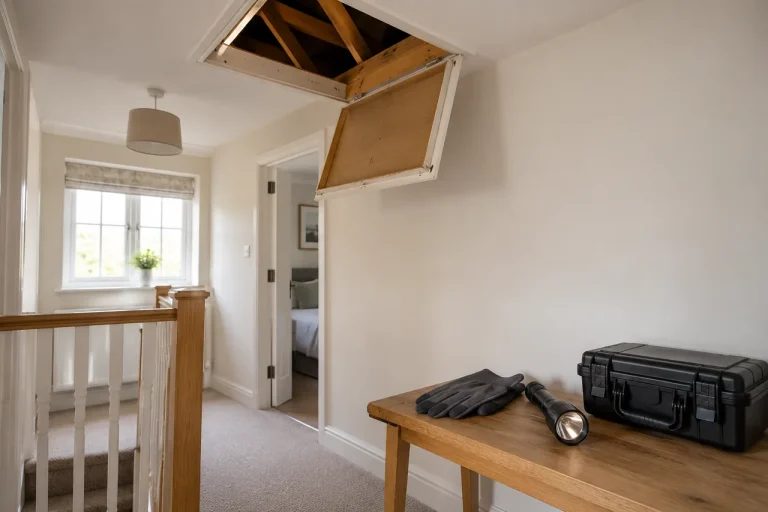
From ground level, observe the roof, fence and branches at the times you hear activity. A repeated route into a damaged vent can be valuable evidence. Photograph the area without climbing. Inside, a safely accessible loft hatch may allow a view of displaced insulation or droppings, but do not crawl through an unsafe space to follow a noise.
Tell an inspector where evidence is absent as well as where it appears. For example, movement over one room with no accessible roof opening may require a different inspection route. A clear sketch can help show where a sound travels and where a potential exterior gap lies.
Do not seal an apparent entrance until the species and occupancy have been checked. Blocking an active route can trap an animal inside or force it to create another opening. Repair timing is part of the assessment, especially where dependent young or protected wildlife may be present.
Legal and safety reasons to check first
GOV.UK guidance explains that some wildlife and the places it uses for shelter or breeding have protection. Bats and their roosts have specific protection even inside a home. A grey squirrel that has been captured cannot simply be released elsewhere. These differences make species identification important before trapping or opening up a roof.
Do not place a trap because the noise sounds heavy, or scatter bait because it happens at night. Methods must be suitable for the actual animal and the building. Pets, children and other wildlife also affect safe placement. Ask a professional to explain the evidence for the chosen approach.
If a noise is frequent, accompanied by visible damage or linked to repeated roof entry, arrange a squirrel control assessment. Bring the diary, recordings and photographs. The most useful outcome is a clear explanation of what was found, what remains uncertain and what should happen next.