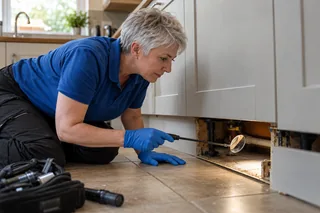
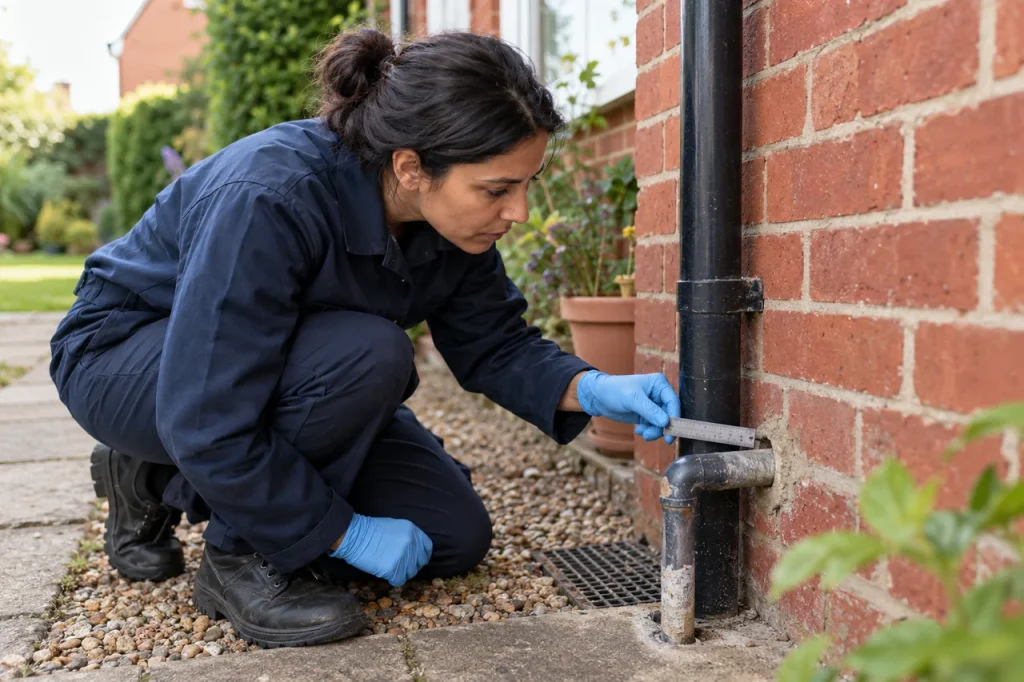
When a squirrel entry point has been repaired, the immediate relief can make it tempting to forget the loft. A short, simple, regular follow-up routine is worthwhile. It confirms that the repair has held, looks for another route and makes ordinary maintenance easier before new damage develops.
Prevention begins only after the animal and any dependent young have been dealt with appropriately. Oxford City Council advises checking that no squirrels remain inside before proofing. If that has not been confirmed, ask the provider before sealing or reinforcing another opening.
Keep a record of the completed work
Request a clear description of the repaired location and the materials used. A photograph from before and after the work helps you find the point during later ground-level checks. Keep the pest assessment, roofer's invoice and any follow-up notes together, especially if different contractors handled control and building repairs.
Ask whether the repair restores the intended ventilation. A vent should not simply be filled because an animal entered through a damaged cover. Suitable protective mesh or another appropriate detail may preserve airflow while closing access. The correct specification depends on the roof and should be agreed with the person carrying out the work.
If the work involved several small openings, request a list rather than relying on one photograph. The record should show which points were closed and which were left for ventilation or later assessment. This helps a future contractor avoid undoing sound proofing or accidentally covering an intended vent during other roof maintenance.
Check whether the contractor identified other vulnerable points. A repair at one eave does not prove the opposite side is sound. A good handover distinguishes completed work from recommended future maintenance, so you know what remains to be arranged.
Watch for fresh activity
For a short period after repairs, note any sounds, roof sightings or changes to the repaired area. A single squirrel crossing the roof may be unrelated to entry. Repeated movement into another gap, fresh scratching over the same room or newly disturbed material deserves a prompt follow-up.
Use dated photographs from a safe position. Compare the same corner of the roof after wind and rain, when loose coverings may shift. You need not watch constantly. A brief check during normal garden or exterior maintenance is easier to keep up and less likely to turn every passing animal into an alarm.
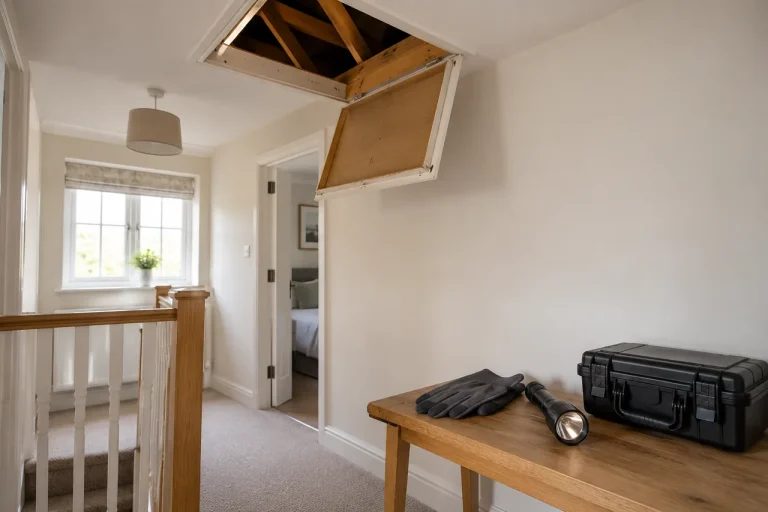
If loft inspection is safe, look from a boarded area or hatch for new disturbance. Do not step onto insulation or reach into a narrow eave. A professional may be needed to determine whether a noise reflects a squirrel, another species or a building component moving.
Maintain the roofline
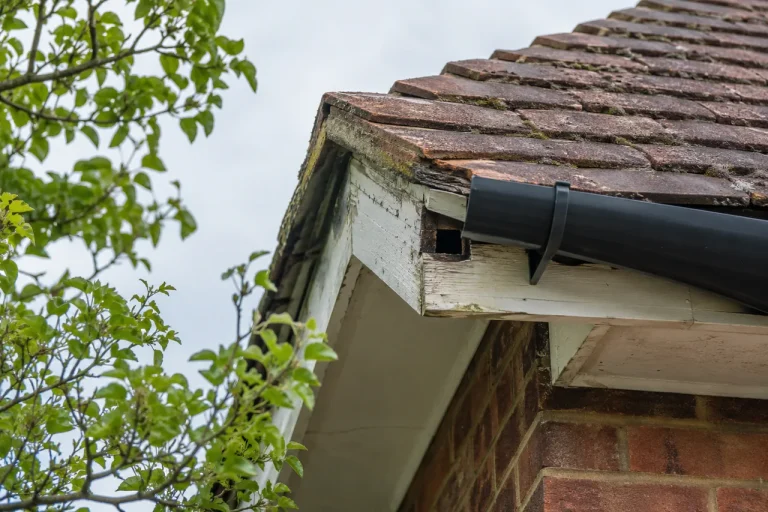
Keep gutters, soffits, fascia boards and vent covers in suitable repair. Storms, decay and later building work can open a route where none existed when the first repair was completed. Include roofline checks in normal property maintenance rather than waiting for loft sounds to return.
From the ground, look for missing panels, lifted edges, damaged vents and loose material beneath the eaves. Take a wide photograph before a close one so a roofer can locate the issue. Do not climb onto a low extension or use a ladder for a quick look. The fall risk outweighs the value of an untrained inspection.
If you see a new gap, avoid sealing it immediately. Check for active wildlife and obtain advice where needed. A route can be used by birds or bats as well as squirrels. Natural England guidance explains the protection for bats and their roosts, including when roof work is planned.
Review access from trees and structures
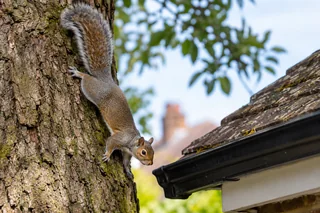
BPCA advice identifies overhanging branches and items stacked against a building as potential access routes. Walk the boundary and note whether branches now touch or reach close to the roof. A young tree can change the situation over time.
Do not attempt major pruning from a ladder. A qualified tree worker may be needed, particularly near buildings, overhead lines or neighbouring property. Check ownership and any applicable tree restrictions before arranging work. The aim is to reduce a convenient route, not to remove every tree a squirrel might cross.
Move stored materials that form a simple step up to an eave where practical. Keep sheds and fences in repair. None of these changes guarantees that squirrels cannot reach a roof, but they can make a vulnerable opening less accessible while the building itself remains protected.
Consider garden food sources
Bird feeders, fallen fruit and accessible food waste can attract squirrels into a garden. Reducing spillages may lessen repeated visits near the building. Choose feeder positions with roof access in mind, and clear seed that accumulates beneath them. Store bulk feed in a closed, durable container.
Do not treat every garden squirrel as evidence of a new loft problem. Squirrels use trees and outdoor spaces naturally. The relevant change is repeated entry into the building or damage to a repaired point. A sensible routine focuses on the structure while managing avoidable food attraction.
Keep any change proportionate. There is little value in removing a healthy tree solely because a squirrel was once seen in it if the building's entry point has already been repaired. Review the actual route found during the inspection, the condition of the roof and the practical value of each proposed garden change.
Coordinate shared buildings
Terraced houses, maisonettes and converted buildings may have connected rooflines or common maintenance responsibilities. A repair to one visible point could leave a route on another side. Share the marked photograph and inspection findings with the person responsible for the whole structure.
Clarify who can approve work on shared fascias, gutters or roof coverings. If access is needed through another home, arrange it in advance. A consistent approach to repairs is often more useful than several separate guesses about where the animal entered.
Keep communication factual. Report dates, locations and visible changes rather than assigning blame. If activity returns, a technician can compare the old findings with new evidence and decide whether the same route has reopened or a different problem has emerged.
Know when to call back
Contact the pest provider if you hear recurring movement after the expected quiet period, see repeated entry at an opening or notice fresh damage. Share photographs and the repair record. Ask whether a follow-up visit is included and which areas will be checked this time.
Call a roofer about loose tiles or failing coverings, and seek urgent electrical advice if there is a burning smell or suspected cable damage. Different problems need different trades. The pest inspection may locate an animal route, while a repair specialist makes the structure sound.
If evidence points to another species, the plan must change. Do not reuse a trap or product solely because it was part of the previous squirrel treatment. GOV.UK advises seeking professional advice where the permitted method or species is uncertain.
Make prevention manageable
Put a reminder on your normal home maintenance schedule to look at the roofline from the ground, especially after severe weather or building work. Keep the original repair photograph for comparison. If nothing has changed, there is no need for intrusive loft checks.
The strongest prevention combines an identified route, a sound repair and an appropriate check afterwards. Branch management and food storage support that work, but they cannot replace a damaged vent cover. If you need help assessing renewed activity in Pinner, a squirrel control inspection can compare new evidence with the earlier repair and recommend the next step.