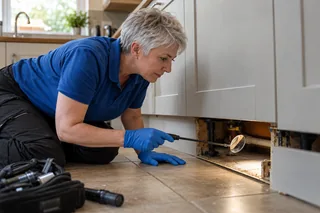
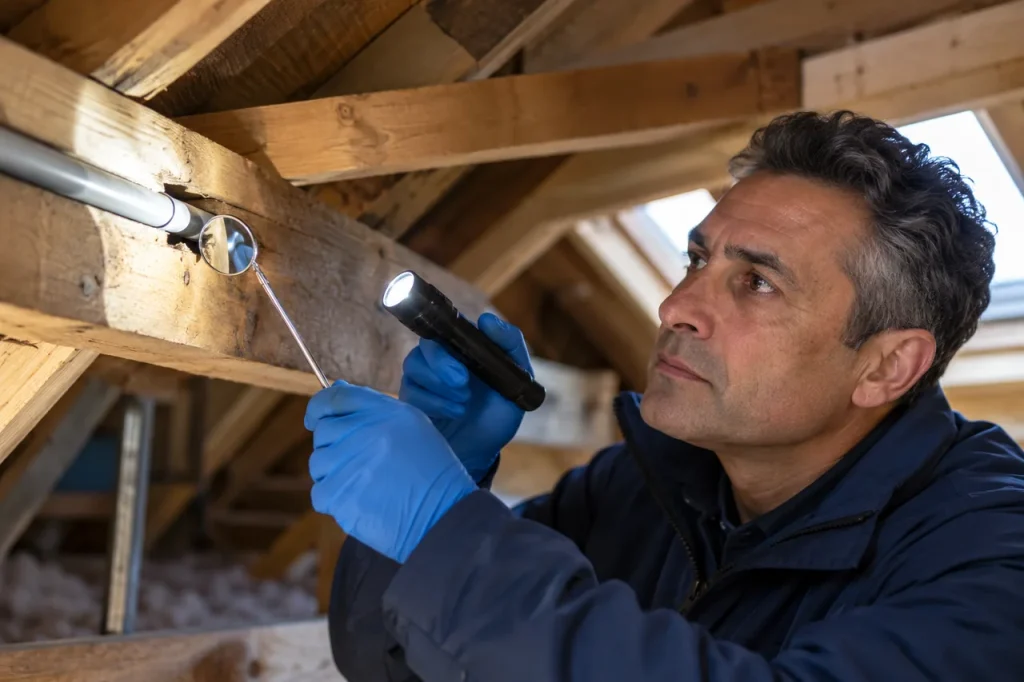
A scratching sound in the loft is a clue, not a species. Squirrels, rats, mice and birds can all use roof spaces, while bats may occupy small parts of a building without making the noise a householder expects. The right response depends on which animal is present, whether the space is in use and how it entered.
Careful identification protects the building and the wildlife involved. It also prevents a repair from closing an active opening too early or a treatment from targeting the wrong animal.
Why the first guess can be wrong
Sound travels along joists, pipes and plasterboard. A light movement can seem heavy in a quiet room, and activity over one bedroom may originate elsewhere in the roof. Time of day can offer a clue but cannot settle the question. A single sighting in the garden does not prove that the same animal is inside.
Droppings and gnaw marks are more useful when their location, freshness and surrounding signs are considered together. BPCA advice on loft checks notes that old nests, droppings and gnawing can show that a visitor has been present. Old evidence, however, may not describe today's activity.
Photograph the signs without disturbing them where hygiene and safety allow. Record the room below, the date and any related roof sighting. If a clear identification cannot be made from accessible evidence, an inspector may recommend monitoring or specialist investigation.
The legal difference between species

Natural England guidance explains that bats and their roosts are protected. Roof repair, loft insulation and pest control can affect them. A roost may be protected even when bats are not visibly present at the moment of a visit. Suspected bats require appropriate advice before intrusive work.
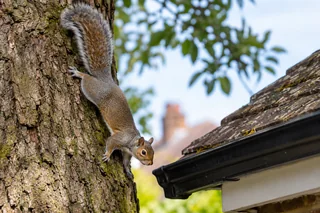
Other wildlife has different rules. GOV.UK pest control guidance states that a trapped grey squirrel cannot be released into the wild. It also says traps must be approved for the target species and used as instructed. Setting a trap before identifying the animal can therefore create a legal and welfare problem.
Bird nests can have protections, especially when active. Do not assume that a bird has gone because the roof is quiet in the afternoon. Ask a competent person to check before removing material or closing an eave. A pest technician may need to refer a protected species question to a wildlife specialist.
Ask whether their inspection covers the possibility of protected species and how they would respond if one is found.
Different animals leave different patterns
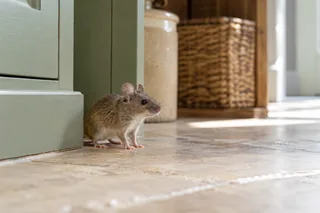
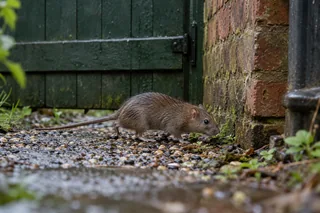
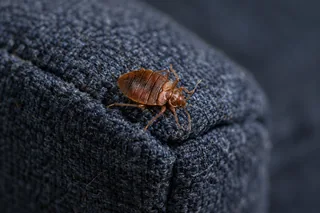
Squirrels may disturb insulation or damage vent coverings, and they can be seen repeatedly near a roof edge. Rodents may leave runs, gnawing and droppings along sheltered routes. Birds may bring nesting material to an eave and produce calls or fluttering. Bats may use narrow crevices and leave signs that are easy for an untrained observer to miss.
These are tendencies, not a reliable home identification key. Signs overlap, and more than one species can use a building at different times. A discarded nest may predate current scratching. The relevant question is which evidence is fresh and how it connects to an active entry route.
An inspector may look in several places rather than only near the loudest sound. Exterior gaps, garden routes, food sources and indoor signs can all contribute. Ask which observations support the conclusion and which remain uncertain.
Season and weather can change what is visible. An animal may leave the building to feed, while another may remain hidden in a narrow space. The absence of an animal during one visit is therefore not the same as proof that the loft is empty. Fresh signs and repeat observations can help bridge that gap.
What to do before anyone enters the loft
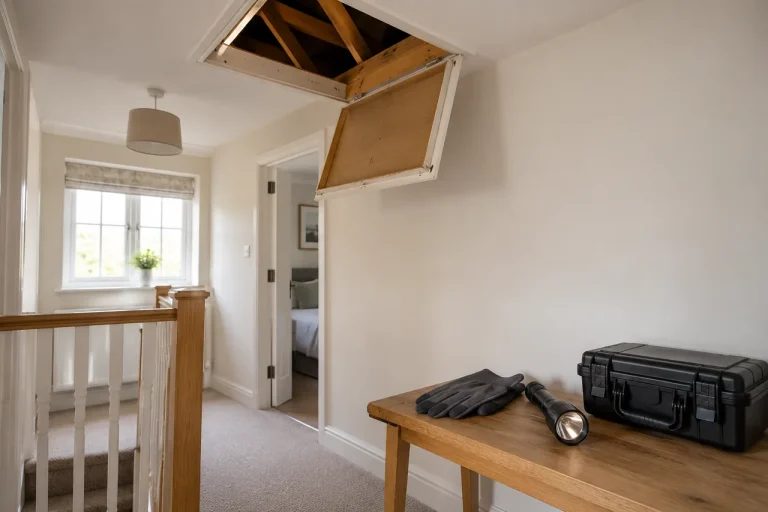
Describe the noise and any sightings in a short diary. Photograph roofline damage from the ground and avoid climbing. If a loft hatch is accessible, do not step onto unboarded areas or move insulation to chase a sound. Tell the inspector about exposed wiring, water stains, stored materials and the available access.
Do not touch droppings to test their texture or compare them with an online image. Handling waste can create a hygiene risk and may destroy useful context. If material falls into a living area, protect the space and explain what you cleaned. Keep children and pets away from unknown traps or bait.
If you have previously seen bats, mention that even if the sighting was years ago. The same applies to nesting birds. A history of protected wildlife can affect how the inspection and any roof work are planned.
The danger of closing a gap too soon
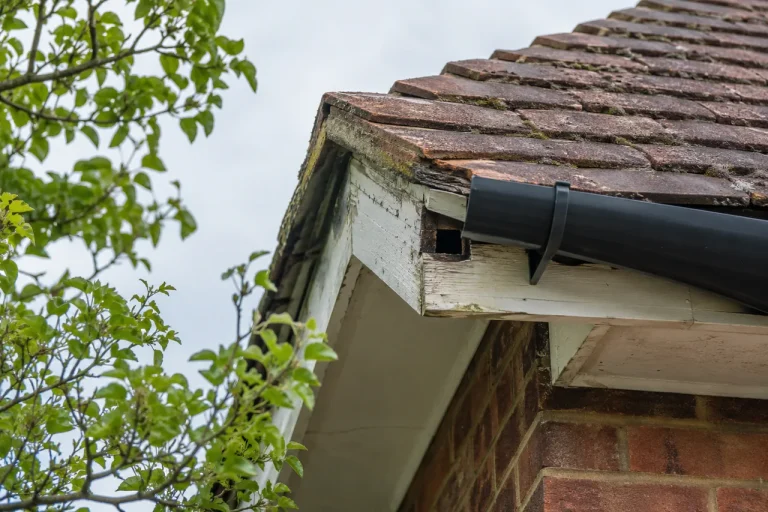
A visible hole invites a quick repair, but an animal may still be inside. Closing the only known route can trap it, leave dependent young or prompt fresh damage as it seeks another exit. The inspector should establish whether the opening is active and when proofing can safely take place.
An opening may also serve ventilation. Filling it without understanding the building can cause a different problem. A roofer may need to install a suitable cover while preserving airflow. If bats are possible, the repair sequence needs specialist advice rather than an ordinary proofing decision.
Ask for the suspected entry point to be marked on a photograph. A precise location helps coordinate the pest visit with a later roof repair. Keep the note so a contractor does not accidentally close a different, intentional opening.
Treatment follows identification
The proposed method should match the confirmed or strongly supported species, the building and the risks to people and other animals. A plan for a squirrel in a loft is not the same as one for rats using a drain route. Ask why a method was chosen, who will monitor it and what happens if the evidence changes.
Where rodents are confirmed, a rat control assessment can examine food sources, routes and suitable control. Where squirrel evidence is found, a squirrel control assessment can address occupancy and roof proofing. A competent professional should revise the plan if the supposed species is not supported by inspection.
No treatment should be a substitute for necessary building repairs. Equally, a repair should not proceed blindly where it may affect wildlife. The two tasks work best when the findings and timing are shared between the pest provider and the relevant trade.
When the evidence is incomplete
An inaccessible roof void, intermittent noise or old signs may prevent a firm conclusion on the first visit. Ask what was inspected and what would help resolve uncertainty. A camera view, a safe exterior inspection or a short monitoring period may be more useful than an unsupported label.
Do not feel obliged to accept a confident species claim based solely on a sound described over the phone. Request the observations behind the diagnosis. If another specialist is needed, such as a bat ecologist or roofer, ask why and what information they should receive.
The aim is a clear sequence: identify the current visitor, address it lawfully, repair the active route and check the result. For a Pinner home with unexplained loft activity, start by recording what you have actually seen and heard. That evidence makes the next professional visit safer and more effective.
Keep the final report and repair details for future occupants or contractors. If sounds return, those records show what was previously confirmed and which openings were repaired. They can shorten a new investigation without encouraging anyone to assume that the same species has returned. A fresh problem still deserves a fresh check.