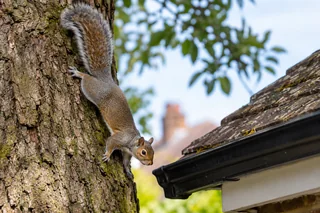
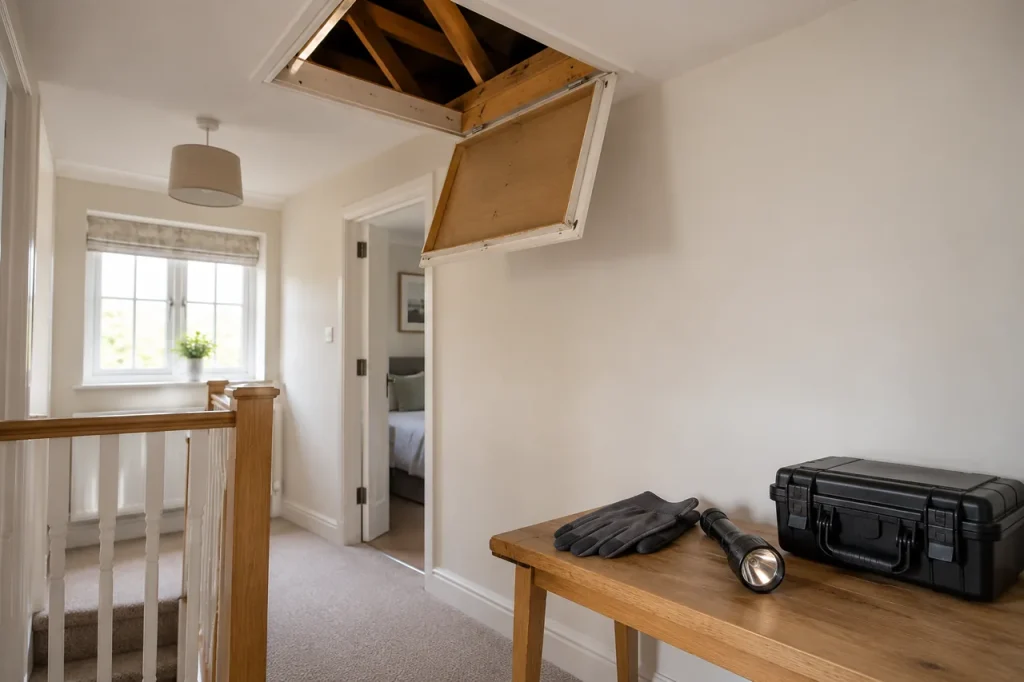
An appointment for a suspected squirrel in the loft is most useful when the inspector can connect your observations to the building. You do not need to open the roof or clear out the entire loft beforehand. A short record of activity, safe access and a few practical questions will do more to support an accurate assessment.
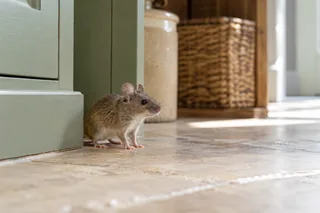
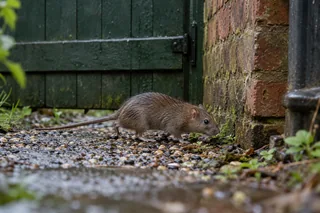
Prepare with the possibility that another animal caused the signs. The visitor may need to confirm the species, check for protected wildlife and decide whether roof repairs require a separate trade.
Keep a clear record of activity
Write down when the noises began, where you hear them and whether they recur. Describe the sound in plain terms: scurrying, scratching, a thud or a call. Note the time of day without treating it as proof of species. If you have seen an animal, record exactly where it appeared and whether it entered or left an opening.
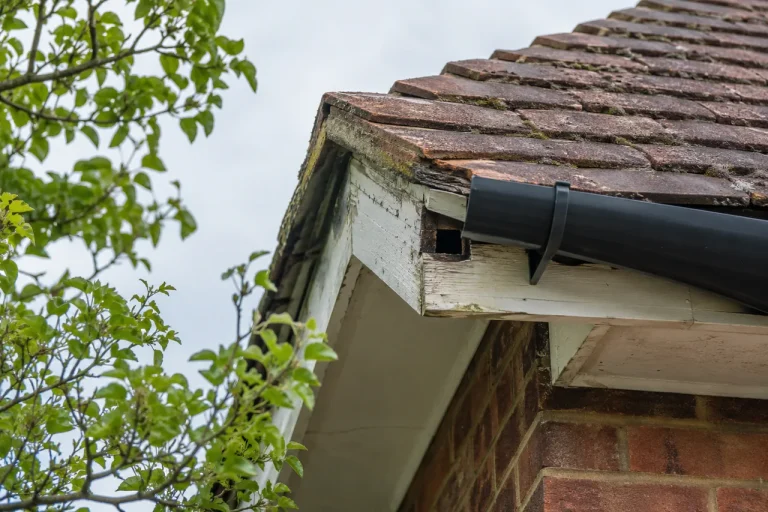
Take photographs from the ground if you can do so safely. Include a wide view of the roofline so the inspector can locate a damaged vent or soffit. A close picture without context may be hard to match to the building. Keep original dates attached to your images where possible.
Ask other occupants what they have noticed. A neighbour may have seen repeated movement along a shared roof edge, while you have heard a noise beneath that point. Record each observation separately and avoid turning a suspicion into a confirmed account.
Describe the building and recent changes
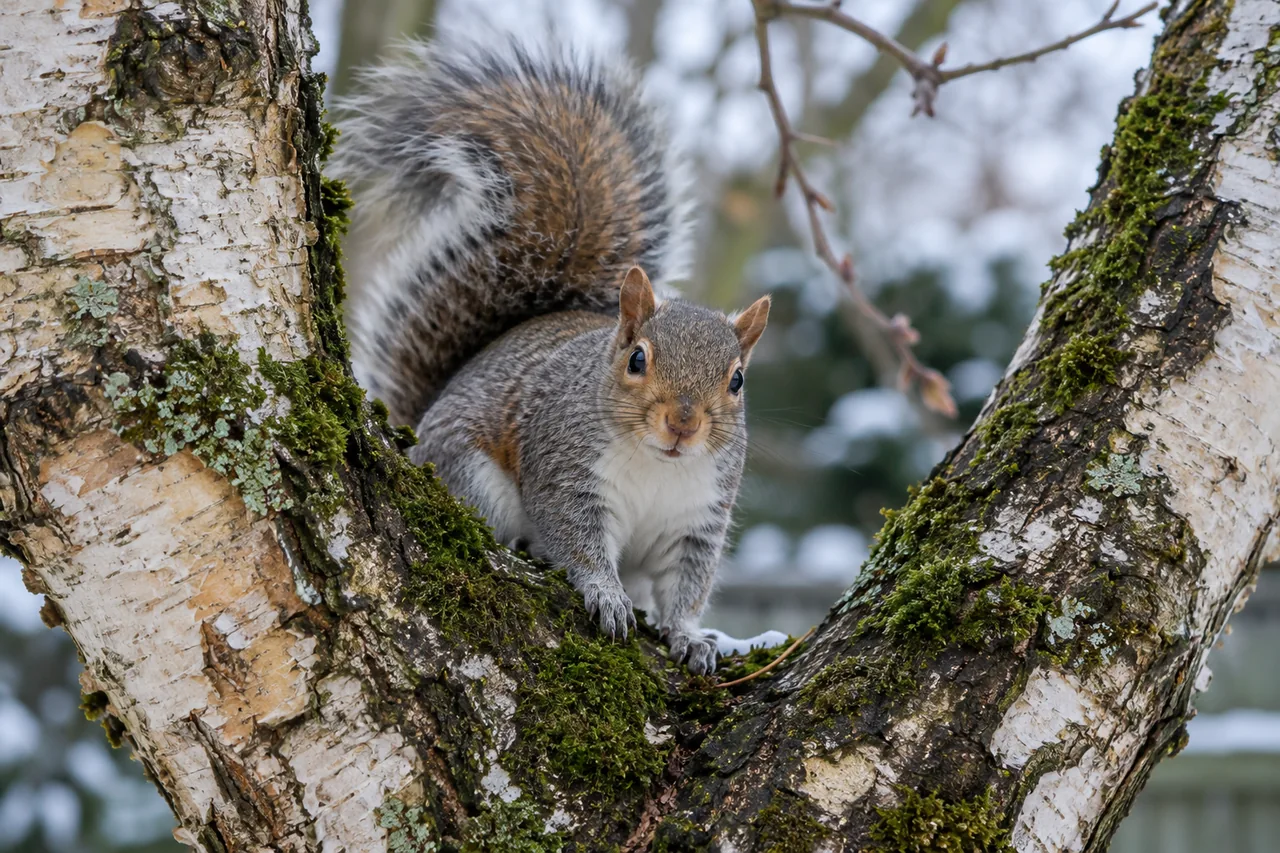
Tell the provider about roof repairs, loft insulation, a new aerial, solar work or changes to nearby trees. Mention whether a previous gap was sealed or a panel has come loose. These details can help focus the inspection and explain when access may have appeared.
If you have plans or photographs from past roof work, make them available. They may show an earlier condition, but they cannot prove when an animal entered. Tell the inspector about any history of bats or nesting birds, even if you have not noticed them recently. Natural England guidance explains that roof repairs and loft work can affect bats and may require specialist assessment.
Note whether the property shares a roof, wall or loft with another household. Access and repairs may need agreement with another owner or manager. If you rent, contact the person who can authorise work before the appointment where practical.
Make access safe and realistic
Identify the loft hatch and check that it can be reached without moving heavy furniture in a hurry. Clear a modest space below it if needed. Tell the provider if there is no fixed ladder, lighting or boarding. Do not enter an unboarded loft or step onto insulation to create access for the visit.
Keep pets away from the inspection area and let the technician know about children or anyone likely to approach equipment. If the loft contains stored items, explain what is there. You need not shift boxes across a fragile ceiling before a professional has assessed the safe working route.
Point out obvious hazards such as exposed wiring, water staining, a loose hatch or a weak ceiling. Oxford City Council notes that squirrels in roof spaces can damage wiring, insulation and pipes. If you notice a burning smell or suspected electrical fault, seek appropriate urgent help rather than waiting for a pest visit.
Check whether the technician needs someone at home. If access is through a bedroom or shared hallway, make that route available and tell other occupants. Keep keys for locked outbuildings or gates ready. If you cannot provide access to one area, say so before the visit.
Leave evidence in place where safe
Droppings, disturbed insulation or a torn vent can help identify the animal. Photograph them before cleaning or repair. Do not handle waste or sweep it dry. If contamination is in a living area, protect hygiene and tell the inspector what you had to remove.
Avoid moving an old trap or unknown bait. Let the technician know what is present and who placed it if you know. Likewise, do not spray chemicals into an opening or block it to see whether sounds stop. An animal could remain inside, and another species may use the space.
If work on a damaged roof is already scheduled, tell the roofer and pest provider about the suspected activity. They may need to coordinate the timing. A repair should not trap an animal or close access to a protected roost.
Questions to ask at the visit
Ask how the species will be identified and which evidence supports the conclusion. If an area cannot be inspected, request an explanation of how that uncertainty affects the plan. A clear assessment may include additional monitoring rather than an immediate control method.
Ask where the animal appears to enter, whether more than one opening exists and how the roofline will be checked. Clarify whether the provider carries out proofing or whether a roofer must repair the damage. Request a written description or marked photograph of the location to make later work precise.
Ask about the treatment method, safety precautions, follow-up and cost. If a trap is proposed, ask who will check it and what you should do if a pet or another animal approaches. GOV.UK says a captured grey squirrel cannot be released into the wild, so trapping requires an appropriate plan from the outset.
Understand the order of work
The first visit may establish the route, but it may not close it immediately. Oxford City Council advises ensuring no squirrels remain inside before proofing an entry point. A technician should explain how occupancy will be checked and when repairs can happen.
An active nest or dependent young can change what is appropriate. Do not assume that waiting for a quiet hour means the space is empty. Ask what evidence will confirm that the animal is gone. If another species is found, the control plan may change substantially.
Some defects require a building specialist. A pest provider can identify a likely access route but may not replace fascia boards, inspect electrical circuits or perform a roof repair. Agree who will do each task and how the work will be checked afterwards.
Ask what should happen if the first inspection finds no clear sign of a squirrel. The sensible next step may be a monitoring period, another viewing angle or a different specialist. A written note of what was inspected helps prevent repeated visits that cover the same accessible space without testing a new explanation.
After the inspector leaves
Keep the written findings and any safety instructions where other occupants can see them. Do not disturb equipment placed by the provider. Continue recording sightings or noises with dates, and report a new pattern before the follow-up visit if requested.
If the plan includes moving bird feed, trimming branches or clearing items stacked against a wall, arrange those changes safely. A tree surgeon may be needed for large branches or work near utilities. Prevention measures should support the identified route, not substitute for repairing an active roof opening.
Review the result after control and proofing. Have the noises stopped? Has the repaired point held in bad weather? A ground-level photograph can help compare conditions later. Ask who to contact if signs return.
For a suspected loft visitor at a Pinner property, book a squirrel control assessment and share the evidence you have gathered. The goal of preparation is to make identification, safe access and the next repair decision easier for everyone involved.