


MOTH CONTROL / PINNER, HA5
Moth Control Pinner
Look beyond flying moths to the materials supporting larvae.
- Compare moth evidence with damage to natural fibres
- Examine quiet carpet edges beneath movable furniture
- Check stored clothing for larvae, cases and fresh damage
- Agree care-label preparation for affected textiles
- Interpret trap catches alongside the material inspection

MOTH CONTROL
INSPECTION → PLAN → REVIEW
Holes in a wool jumper or thinning carpet beneath furniture need a closer look. An inspection can connect the damage with insect evidence, separate textile pests from other causes and define the materials and rooms requiring attention in your Pinner property.
Identify a textile problem before choosing control
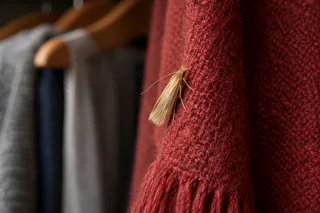
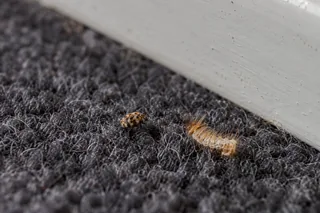
Flying moths alone do not establish a clothes-moth infestation. The inspection considers insect identification together with larvae, cases, webbing and the pattern of damage in susceptible material. Some moths are associated with stored food rather than textiles, while carpet beetle larvae can cause damage that prompts a similar enquiry. Show the affected item and preserve useful photographs before cleaning changes the evidence. The technician should explain what supports the identification and whether a specimen or further observation is needed. Control needs to address the correct source, not simply every small moth attracted to a light.
Build a picture of susceptible materials
The inspection follows relevant materials through the affected room and accessible adjoining storage. A damaged wool rug may sit beside a quiet collection of rarely worn clothing; a synthetic carpet may contain other material or debris that needs identification. Fibre labels and the history of an item help inform the discussion but do not replace checking the evidence. Separate confirmed activity from old damage and articles that are merely susceptible. A useful record names the items or edges requiring action, their condition and the limitations of the inspection. That is more informative than a blanket instruction to treat every fabric.

For another insect associated with natural-fibre damage, compare Carpet Beetle Treatment Pinner.

Describe the material and where damage appeared
Start with the item that raised concern: a rug, fitted carpet, stored coat or upholstered article. Explain when the damage was noticed, whether the item has been moved and where adult moths have appeared. Mention wool, silk, feathers and other animal-derived materials in nearby storage without assuming that everything is affected. Photographs of damage and any insect evidence can help prepare for the visit. Give access details for wardrobes, under-bed storage and floor edges. The initial discussion should establish the materials to inspect and any valuable or delicate items that require particular handling advice.
Inspect the places that textiles conceal
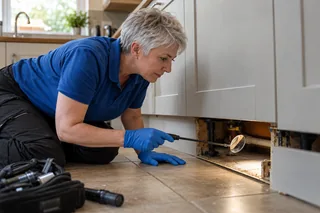
Quiet carpet margins, the underside of movable furniture and folds in stored clothing can hide activity that is not obvious in the centre of a room. The survey should consider access to these locations without assuming that heavy wardrobes or fixed fittings can be moved safely. Explain which areas have remained undisturbed and where furniture has recently been rearranged. In a flat or furnished rental, permission may be needed to examine supplied items. Record areas that cannot be reached so their uncertainty remains visible in the plan rather than treating the visible floor as a complete survey.
Whole-room heating for a different pest has separate suitability checks; read Bed Bug Heat Treatment Pinner.
| Finding | Inspection question | Useful next action |
|---|---|---|
| Flying moth near a window | Does identification link it to textiles? | Retain a clear image and inspect relevant materials |
| Holes in a stored wool item | Are larvae, cases or webbing present? | Record the item and discuss suitable containment |
| Thin carpet beneath furniture | Is damage fresh and associated with insect evidence? | Arrange safe access to the affected margin |
| Catches in a monitoring trap | Where is the supporting material source? | Interpret catches with inspection rather than alone |
PREPARATION & ACCESS
Preparing for moth control
Handle garments according to their care requirements
Ask which textiles should be isolated or prepared before the visit and keep affected articles contained while moving them. Check care labels and seek suitable cleaning advice for wool, silk, lined clothing and other sensitive materials. A general instruction to hot-wash everything can damage possessions and is not appropriate for every article. Do not distribute suspect clothing among unaffected wardrobes to clear space. Make the agreed storage edges accessible and retain a record of damage before cleaning. Tell the technician about items that cannot be handled as requested, so an alternative can be discussed before the appointment.
Coordinate cleaning with the selected method
Tell the technician about children, pets and anyone who uses the affected storage or sleeping areas. Ask which surfaces or placements need to remain undisturbed and when routine cleaning can resume. Restrictions depend on the actual treatment and product instructions, not a single rule for every moth problem. Avoid adding household sprays to treated textiles or floors without advice, particularly where a garment contacts skin. Heavy furniture, high storage and fragile furnishings can also limit safe access. The plan should make those practical restrictions clear and explain who will communicate the aftercare instructions to other occupants.

To see the wider property inspection approach, return to the Pinner homepage.

Address larvae and the supporting source
Suitable control may combine source management, careful cleaning and an appropriate targeted treatment where the findings justify it. The options depend on the identified insect, material, access and occupants. Monitoring traps can help interpret adult activity, but catches alone do not remove larvae in a carpet or garment. Ask how the proposed measures reach the affected areas and what remains your responsibility. Any professional product must be suitable for its intended surface and used under its authorisation. Delicate garments and valuable rugs may need advice from a textile specialist instead of direct application or improvised household treatment.
Make the work specific to the affected items
Before work starts, agree which floor edges, storage spaces or items are within scope and which require separate handling. The technician should explain access, any treatment restrictions and how the findings will be recorded. A torch and close inspection of seams or margins can be relevant; the actual application equipment depends on the selected method. Do not assume that all furniture will be dismantled or that every garment will be treated during a premises visit. Confirm how removed items will be managed so they are not returned unchanged to the area while the control plan is still being carried out.
Distinguish continuing damage from older evidence
A review should compare fresh material evidence, adult sightings and any agreed monitoring with the starting record. Existing holes will remain after control, so an unchanged damaged area is not by itself proof of continuing activity. Photograph particular items consistently and note dates and locations of new findings. Ask how monitoring catches will be interpreted and which changes require earlier contact. Further work may be needed if an affected article was inaccessible, returned from storage or not prepared as agreed. Confirm the review arrangements and included visits rather than assuming a fixed schedule or guaranteed outcome.
Keep vulnerable storage open to inspection
Aftercare can include appropriate cleaning of quiet edges, checking seldom-used natural-fibre articles and storing cleaned textiles in suitable protective containers. The useful actions depend on what the inspection actually found. Do not seal damp or soiled clothing away and assume the storage container alone resolves the source. Keep a simple record of susceptible items in less frequently opened wardrobes, especially before long storage periods. If damage reappears, identify the item and location rather than applying a general spray across the room. Timely, specific reporting helps distinguish a returning source from unrelated wear or a different textile pest.
QUOTATION SCOPE
What affects your moth control quote?
The quotation depends on the affected rooms, textile types, accessible carpet margins and the preparation or specialist cleaning needed. Explain whether the concern involves fitted flooring, valuable rugs or stored garments. Ask which inspection, treatment and review visits are included, whether item handling is part of the work and whether VAT or additional access costs apply. Agree the scope and full price before work begins, including any separate textile-care arrangements.
| Material or area | Preparation issue | Confirm in the scope |
|---|---|---|
| Delicate clothing | Care labels and specialist cleaning | Who handles and cleans the affected articles |
| Fitted carpet edges | Furniture weight and concealed margins | What can be safely inspected and treated |
| Stored rugs or upholstery | Containment and item condition | Whether separate item work is required |
| Monitoring and review | Fresh damage versus historic holes | Included checks and charges for additional work |
To discuss affected garments and access to carpet edges, use Contact Us.
PROMPT ASSESSMENT
When damage is spreading across valuable textiles
Contact us when new damage appears in several stored items or a valuable rug needs assessment. Keep suspect articles contained and avoid unverified heat or chemical treatment that could damage them. Describe the materials and extent of the concern; appointment availability and the next step are confirmed when you call.
QUESTIONS ABOUT THE VISIT
Moth Control: your questions
Does every small moth mean clothes moths?
No. Identification and the location of larvae or damage matter. Some moths are associated with food, while other textile insects can cause similar-looking loss. Show a specimen or clear photograph together with the affected material so the inspection can focus on the relevant source.
Will a moth trap solve damage in a wardrobe?
A suitable trap may support monitoring, but it does not remove all larvae or an affected textile source. Ask what the catches can show and how they will be considered with inspection of garments, folds and storage edges. The control plan should explain the actions needed for the material itself.
Should I wash every wool item on a hot setting?
Follow the care label and obtain appropriate cleaning advice. High temperatures or unsuitable cleaning can shrink wool and damage sensitive garments. Ask which articles actually require preparation and how to contain them while moving, rather than spreading every item through unaffected parts of the home.
Why inspect beneath furniture if moths fly?
Larvae can develop in susceptible material in quiet, sheltered locations. Adult sightings do not show every source. Accessible carpet edges and material beneath movable furniture may therefore be relevant, while heavy or fixed items need an agreed access plan rather than unsafe lifting before the visit.
How can I tell whether carpet damage is new?
Keep dated photographs of clearly identified edges or patches and record any larvae or other fresh evidence nearby. Old thinning and holes do not repair themselves after treatment. Review should consider changes in those records alongside inspection and monitoring, rather than judge progress from the continued presence of an old mark.
DISCUSS YOUR PINNER PROPERTY
Describe the signs. Agree the next step.
Call with your postcode, the areas affected and any access restrictions. Inspection scope, appointment availability and treatment arrangements are confirmed for the property.