





BED BUG HEAT TREATMENT / PINNER, HA5
Bed Bug Heat Treatment Pinner
Heat suitability depends on the room, its contents and monitored conditions.
- Map the rooms and furniture included in the heat proposal
- Review heat-sensitive belongings before preparation starts
- Discuss equipment access and electrical requirements
- Ask how difficult cold spots will be monitored
- Agree re-entry, documentation and post-treatment checks

BED BUG HEAT TREATMENT
INSPECTION → PLAN → REVIEW
Specialist heat is a treatment option to assess, not a reason to skip identification or preparation. Discuss the bed bug evidence, connected rooms and sensitive belongings so the suitability, availability and scope of heat treatment can be confirmed for your Pinner property.
PREPARATION & ACCESS
Preparing for bed bug heat treatment
Follow a property-specific contents checklist
Obtain the preparation instructions before packing, moving furniture or arranging time away. Bagging and movement should control the risk of carrying insects into unaffected spaces. Separate items only as instructed, and tell the technician if a care label, manufacturer restriction or fragile possession conflicts with the checklist. Access to relevant furniture and equipment routes needs to be practical without creating a trip or handling hazard. Do not dismantle electrical fittings or disconnect unfamiliar appliances yourself. In rented or managed accommodation, agree who is responsible for preparation and confirm that all relevant rooms can be made available together.
Plan occupancy, equipment access and re-entry
Tell the assessor about children, animals, aquariums and anyone who needs individual arrangements. Heat equipment, electrical supply, hot surfaces and sensitive materials require a method-specific safety plan. People should not enter the treatment area or move equipment until the responsible technician confirms the arrangements. Re-entry is determined for the actual work, not by a universal website interval. Ask how cooling, ventilation and the handling of retained belongings will be explained. Where communal corridors or shared services are involved, permissions and safe access must also be agreed before equipment arrives.

For evidence-led inspection and the broader choice of methods, compare Bed Bug Treatment Pinner.

Describe the property before arranging a heat assessment
Explain where bed bug evidence has been found, how many rooms are involved and whether belongings have moved between spaces. Mention previous treatments and any restrictions on access, power or the time the property can be unoccupied. A heat enquiry needs more than a bedroom count: construction, furniture and contents can affect feasibility. Give the full postcode and property type so the proposed assessment can consider those practical requirements. Ask whether heat is available for the situation and what survey, preparation or review work the quotation includes. Do not assume that an advertised method fits every room.
Confirm the pest and the treatment boundary
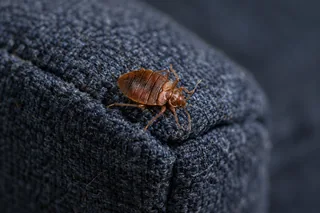
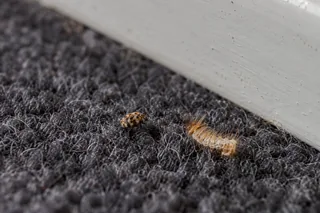
Physical evidence should support the identification before a heating proposal is selected. Insects, eggs, cast skins and spotting around suitable harbourages help establish the problem; skin reactions alone do not. The survey also considers how signs are distributed between beds, furniture and adjoining spaces. Heat does not remove the need to decide which rooms and contents belong within the scope. Explain any recent movement of bedding, luggage or furniture. Where evidence or access is incomplete, the technician should describe that uncertainty and whether more inspection or monitoring is appropriate before work is arranged.
If damage concerns stored natural-fibre textiles rather than confirmed bed bugs, see Moth Control Pinner.
| Assessment area | What needs checking | Why it affects the proposal |
|---|---|---|
| Treatment boundary | Affected rooms and connected spaces | Defines the proposed area and any separate measures |
| Contents | Sensitive materials and manufacturer limitations | May change preparation or suitability |
| Access and supply | Equipment routes and practical power arrangements | Can affect setup and safe operation |
| Cold spots | Difficult locations and monitoring approach | Room-air readings alone do not establish coverage |
Assess the room and connected spaces
A heat survey considers the shape and construction of the room, accessible harbourages and possible links into adjoining spaces. Built-in furniture, insulated cavities, heavy contents and concealed joints can affect how the treatment area is assessed. The technician should explain the practical limits rather than assume that warming room air resolves every inaccessible location. Shared buildings may require permission for equipment routes or connected service spaces. Tell the assessor about locked cupboards, fragile finishes or construction that cannot be opened. The resulting plan should distinguish the proposed heated area from places requiring a different or additional approach.
Account for contents and preparation constraints
The contents review should identify materials and belongings that may be unsuitable for the proposed heat process. Medicines, aerosols, certain electronics, delicate finishes and other temperature-sensitive items require specific advice rather than a blanket instruction to leave everything in place. Manufacturer information and the actual treatment plan matter. Ask which items need removal, protection or a different handling arrangement and where they can be moved without spreading bed bugs. If an item cannot be relocated safely, tell the assessor before booking. Preparation limits can affect whether heat is appropriate and how the scope is priced.

For property assessment and telephone enquiry arrangements, return to the Pinner homepage.

Ask how equipment and monitoring fit the plan
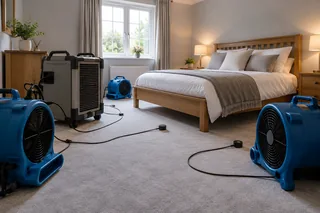
A specialist heat proposal may involve appropriate heaters, air-moving equipment and temperature sensors, selected for the setting and intended method. The important discussion concerns how the required conditions will be checked, including difficult cold spots rather than room air alone. Ask for the proposed system and monitoring arrangements before booking. Ask the technician to explain the monitoring approach, the places that need particular attention and what would happen if the intended conditions were not achieved. A clear explanation helps distinguish a controlled process from simply making a room feel hot.
Understand the controlled treatment sequence
Before the proposed work starts, the treatment boundary, prepared contents, equipment access and occupant arrangements should be agreed. Appropriate monitoring supports decisions during the process, while the technician manages equipment according to the chosen system and property conditions. Some situations may call for complementary measures or a different treatment instead of heat alone. Those options should be explained before they are treated as part of the booking. Ask what records or completion information will be supplied and how any inaccessible area is documented. Domestic heaters or improvised room sealing are not substitutes for a specialist assessment and process.
Review the evidence after heating
A heat treatment should be followed by clear instructions on what to observe and when to report it. Record dates and locations of any further physical signs, distinguishing an identified insect from an old mark or a skin reaction. The review may need to consider preparation, an inaccessible area or a new introduction, rather than assume the same explanation for every sighting. Ask whether a return inspection or complementary treatment is included and what further work would cost. Agree the purpose and timing of any return inspection.
Manage belongings and room use afterwards
Follow the agreed instructions when returning prepared items to the room and using sleeping areas again. The sequence should avoid mixing items whose handling status is uncertain with those already managed under the plan. In accommodation settings, a consistent reporting and furniture-movement procedure can help staff respond to new evidence. Heat treatment does not prevent a later introduction through luggage or belongings. Ask which observations should prompt contact and retain the treatment and monitoring information supplied. Any preventive advice should be tied to the property and the route or handling risks identified during assessment.
QUOTATION SCOPE
What affects your bed bug heat treatment quote?
Heat-treatment pricing depends on the assessed area, construction, furniture and contents, equipment access, preparation and monitoring requirements. Complementary methods or return inspections may change the scope. Ask whether the quotation covers the survey, heating work, records and review, and which sensitive-item arrangements remain your responsibility. Confirm VAT and any access or appointment charges before booking.
| Scope element | Heat-specific consideration | Confirm with the technician |
|---|---|---|
| Preparation | Bagging, contents and furniture access | Required checklist and handling responsibilities |
| Controlled heating | Equipment and property constraints | The proposed system and monitoring information |
| Complementary work | Areas needing another appropriate measure | Whether additional methods are included |
| Subsequent review | Physical evidence, access limits or new introduction | Return inspection arrangements and charges |
| Information | Purpose in the review |
|---|---|
| Prepared areas and retained contents | Shows the agreed boundary and any limitations |
| Monitoring and completion information | Explains how the selected process was assessed |
| New signs with dates and rooms | Supports a focused review rather than assumptions |
To discuss contents, preparation and equipment access, use Contact Us.
PROMPT ASSESSMENT
When bed bug heat treatment needs prompt attention
If bed bugs are suspected, seek a prompt assessment before selecting heat or moving affected belongings. Describe the physical evidence and any impending change of room use. Keep preparation controlled until instructions are agreed. An urgent enquiry does not by itself establish that heat is the appropriate method or that a particular appointment time is available.
QUESTIONS ABOUT THE VISIT
Bed Bug Heat Treatment: your questions
Is heating the room air enough to establish a suitable process?
No. A specialist proposal needs an appropriate monitoring approach, including difficult cold spots and relevant harbourages. Ask how the actual system will assess the intended conditions and document limitations. Feeling that a room is hot is not a reliable measure of treatment coverage.
Can all electronics and personal belongings stay in the room?
Not automatically. Materials and manufacturer restrictions vary, and some items may need removal or different handling. Obtain the specific preparation checklist and report any item that cannot safely comply. Do not assume that every heat-sensitive possession can be covered by one generic instruction.
Will heat always replace every other bed bug method?
The appropriate plan depends on evidence, access, construction and contents. Complementary measures or another method may be proposed where relevant. Ask what is included and why, rather than treating heat as an automatic stand-alone answer for every room or every level of activity.
Can I prepare by carrying furniture into another bedroom?
Discuss movement first. Relocating potentially affected items without a handling plan can carry insects into another space. The preparation instructions should explain bagging, temporary storage and the status of moved belongings. Report any movement that has already happened before the assessment.
Does a heat visit remove the need for review?
A review plan is still useful. Keep the monitoring information supplied and record further physical signs with dates and locations. Ask whether a return inspection is included and what evidence should be reported. Neither a fixed visit count nor a permanent prevention guarantee should be assumed.
DISCUSS YOUR PINNER PROPERTY
Describe the signs. Agree the next step.
Call with your postcode, the areas affected and any access restrictions. Inspection scope, appointment availability and treatment arrangements are confirmed for the property.