
SQUIRREL CONTROL / PINNER, HA5
Squirrel Control Pinner
Check the animal and the roof access before planning any control or exclusion.
- Identify the animal before treating loft noises as squirrels
- Inspect accessible roofline gaps and disturbed insulation
- Consider occupied nests and possible dependent young
- Check protected wildlife constraints before exclusion work
- Plan entry-point repairs around the assessed activity

SQUIRREL CONTROL
INSPECTION → PLAN → REVIEW
Loft noises can have several causes. A squirrel enquiry in Pinner begins with the timing of the sounds, visible roofline activity and accessible evidence inside. Species identification, nesting conditions and safe access determine what action can appropriately be discussed.
Tell us what is happening at the roofline
Describe the sounds, their timing and whether you have actually seen an animal entering the building. A photograph taken safely from the ground can help prepare for an inspection. Mention roof work, an open loft hatch or any change in insulation, but avoid climbing to investigate. Explain how the loft is reached and whether there is a safe boarded route. Access to a high roof, fragile ceiling or locked communal loft may need arrangements beyond an ordinary visit. The first conversation should establish practical survey limits rather than promise an animal’s identity from noise alone.
Identify the occupant rather than the sound
The technician considers sightings, droppings, nesting material, gnawing and disturbed insulation together. Movement in a roof space can involve other animals, and not every squirrel sighting establishes that the animal is occupying the loft. Species identification is important before any control decision. Photographs or samples may assist, but inaccessible evidence needs to be described as a limitation. Do not move nesting material or reach into a concealed opening to obtain a specimen. The inspection should explain what supports the identification, what remains uncertain and whether another wildlife assessment is needed.

Where evidence is concentrated at ground-level openings instead, compare Rat Control Pinner.

Assess entrances from a safe position
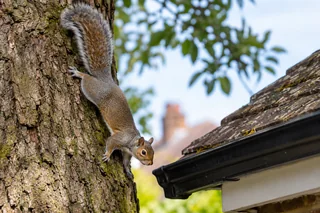
Eaves, damaged soffits, roofing gaps and adjoining structures can offer possible access. The survey should relate an opening to actual activity rather than assume that every visible defect is used. Nearby branches or building features may be relevant, but tree or roof work requires its own competent assessment. The technician should explain where inspection from the ground or a safe loft position is sufficient and where specialist access is necessary. Avoid ladders, fragile roofing and unboarded areas as preparation. Access limitations affect both the findings and any later repair proposal.
Understand how the loft is being used
Inspection considers accessible nesting areas, the distribution of disturbance and potential links to other parts of the roof space. Possible dependent young and non-target wildlife can change the timing and nature of appropriate action. A single entrance does not reveal every occupied area, especially where insulation or construction hides part of the space. Tell the technician whether work has already disturbed the loft. The resulting scope should distinguish confirmed occupation from possible movement and identify any further access or species checks needed before equipment or exclusion measures are considered.
For smaller indoor rodent routes around units and service voids, see Mice Control Pinner.
| Finding | Question for the survey | Effect on the plan |
|---|---|---|
| Visible roofline entrance | Is it being used, and by which animal? | Connect the opening with occupation evidence |
| Nesting material | Could it be occupied or contain dependent young? | Review timing before disturbance or exclusion |
| Uncertain species | Is protected wildlife a possibility? | Seek appropriate identification before control |
| Restricted loft access | Can the relevant area be inspected safely? | Arrange suitable access or record the limit |
Lawful squirrel control
Any squirrel-control proposal must take account of current wildlife and animal-welfare requirements. Red squirrels are protected, while captured grey squirrels must not be released or relocated. This is why a generic promise to catch and release the animal would be misleading. The technician needs to explain the lawful method actually being offered for the identified situation, rather than imply that every option is available. If evidence suggests protected wildlife or another occupant, the work may need to pause for specialist advice. Current restrictions are outlined in official property pest-control guidance.
Protect people and non-target wildlife
Working at height, unstable insulation and concealed services can create risks independent of the animal itself. Explain access restrictions and allow the technician to assess whether the space can be entered safely. The plan must also consider other wildlife: a suspected protected roost or active nest should not be disturbed as an incidental part of exclusion. Do not handle an animal, interfere with equipment or improvise a removal method. Safety and welfare precautions should relate to the identified occupant, actual method and access conditions, with any separate specialist work clearly distinguished from the pest inspection.
For the wider assessment and aftercare approach, return to the Pinner homepage.

PREPARATION & ACCESS
Preparing for squirrel control
Clarify the sequence before work starts
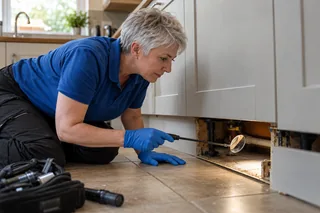
A proposed intervention should describe the occupied area, suitable access, any equipment considered and how its use would be supervised or reviewed. Ask how the presence of young or an uncertain nesting area affects the plan. Inspection equipment may include a torch, mirror or other appropriate viewing tools; this does not confirm a particular trapping or control system. Any equipment must meet the applicable requirements for its intended use. Occupants should know which parts of the loft must remain undisturbed and what changes to report. Roof repairs should be coordinated with the assessed control sequence.
Prepare access without disturbing the roof space
Arrange the keys or permissions needed for the loft and explain whether it is boarded, lit or used for storage. Move only the items requested where safe, and do not clear suspected nesting material in advance. Keep children and pets away from the access area. Do not close an opening or cut back a possible access route while an animal may remain inside. If a roofer or managing agent is already involved, share the intended timing so the survey and repairs can be coordinated. Photograph changes from a safe position rather than entering concealed or fragile spaces.
Review activity before deciding the loft is clear
The review should compare new sounds or sightings with the original evidence and the agreed work sequence. Record the time and apparent location of further activity without opening concealed nesting areas. A quiet period is useful information, but it is not a reason to seal every visible opening without an assessment of occupation. Ask which checks are required before exclusion work and how further visits are arranged. If another route or inaccessible roof section becomes relevant, the plan may need revised access rather than an unsupported claim that the first intervention has failed.
Make exclusion a considered building repair
Once the relevant activity and timing have been assessed, suitable repairs can address the openings identified during the survey. Materials and workmanship must fit the roof structure and preserve ventilation or other building functions. A pest-control discussion does not automatically include roofing, tree work or repairs to damaged services. Ask who will undertake each task and whether it is separately quoted. In connected buildings, an adjoining roof space may need cooperation from another owner. Prevention advice should remain specific to the observed access and avoid promising that one repaired gap guarantees no future wildlife entry.

QUOTATION SCOPE
What affects your squirrel control quote?
Squirrel-control quotations depend on species assessment, evidence of occupation, safe loft or roof access and the lawful work proposed. Further monitoring, specialist access and exclusion repairs can have separate scopes. Explain storage, fragile surfaces and any shared roof spaces before booking. Ask for the exact work and review arrangements, VAT position and any access costs. A standard rodent price should not be assumed to cover a squirrel investigation or the building repairs that might follow.
| Work area | Squirrel-specific requirement | Quotation question |
|---|---|---|
| Identification and welfare | Species and possible dependent young | What checks occur before action is chosen? |
| Loft or roof access | Safe routes, permissions and specialist equipment | Is separate access work included? |
| Review and exclusion timing | Evidence that relevant occupation has been assessed | Which checks precede closing an entry? |
| Building repairs | Roof defects, ventilation and connected spaces | Who carries out and prices the repair? |
To discuss loft permissions, sightings and safe access, use Contact Us.
PROMPT ASSESSMENT
When squirrel control needs prompt attention
Seek a prompt assessment where roof activity is accompanied by fresh gnawing near services or where an opening may be closed by planned building work. Explain the situation before anyone disturbs the space. Keep people and animals away from unsafe access and do not attempt capture. The appropriate action and appointment availability are confirmed for the property.
QUESTIONS ABOUT THE VISIT
Squirrel Control: your questions
Can scratching in the loft identify a squirrel?
No. The timing and location of sounds are useful context, but sightings and physical evidence are needed to support identification. Other animals can occupy roof spaces. The technician should explain the evidence and any limits before discussing squirrel-specific action.
Why can a captured grey squirrel not simply be moved elsewhere?
Captured grey squirrels must not be released or relocated under the applicable invasive-species restrictions in England. The identified species and proposed method must be discussed before control begins. Do not capture an animal on the assumption that another garden or woodland is an acceptable destination.
What if a red squirrel or another protected animal is suspected?
The identification and legal constraints need specialist attention before disturbance or exclusion. Do not handle the animal or remove possible nesting material. The survey should distinguish the evidence found from assumptions and explain when work needs to stop for appropriate wildlife advice.
Should a roofer close the gap before the inspection?
Coordinate the timing first. Closing an opening while an animal or dependent young may remain inside can create further problems and welfare concerns. A roof defect may need repair, but the sequence should follow the assessment of occupation and safe access rather than a guess from outside.
What should I record if noises continue?
Note the date, time and apparent roof area, and take safe ground-level photographs if an entrance is visible. Do not disturb the loft to produce more evidence. The review can use that account to consider remaining occupation, another route or access that was previously unavailable.
DISCUSS YOUR PINNER PROPERTY
Describe the signs. Agree the next step.
Call with your postcode, the areas affected and any access restrictions. Inspection scope, appointment availability and treatment arrangements are confirmed for the property.