


MICE CONTROL / PINNER, HA5
Mice Control Pinner
Find where mice are moving before deciding how to control them.
- Trace droppings along cupboard and skirting edges
- Examine pipe gaps and links between floor voids
- Separate fresh mouse evidence from older deposits
- Discuss secure placements around children and pets
- Review sightings before deciding when to proof openings

MICE CONTROL
INSPECTION → PLAN → REVIEW
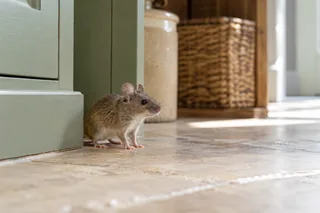
A mouse in the kitchen may be the visible part of activity behind units or between floors. Tell us what you have noticed so an inspection can connect the signs, assess accessible routes and explain a suitable treatment plan for your Pinner property.
Start with the rooms and the pattern of sightings
When you call, describe the first and most recent sightings, the rooms involved and whether droppings or gnawing have appeared between them. Mention food cupboards, pet feeding areas, a recent kitchen installation or building work that may have exposed a route. Photographs can help prepare for the inspection, but they do not replace checking the building. Give your postcode and explain whether you occupy a house, flat or commercial space. Ask what the proposed visit includes, who can authorise access and how any further treatment or monitoring would be arranged.
Read the evidence without spreading it
The technician considers the size, distribution and apparent age of droppings alongside gnawing, rub marks, nesting material and live sightings. Several clues are more useful than one isolated mark. Similar-looking debris or older activity can otherwise lead to an incorrect assumption about what is happening now. Show where you first noticed signs before changing the area. Avoid sweeping or vacuuming suspect deposits simply to prepare for the visit; ask for appropriate cleaning advice. The inspection should distinguish what has been observed from what remains uncertain, including inaccessible spaces behind fixed furniture.

If the size of the signs suggests a larger rodent, compare the inspection approach for Rat Control Pinner.

Follow the route into the kitchen or utility room
Accessible pipe penetrations, gaps behind appliances, cupboard backs and the junction between floors and walls are relevant inspection points. A mouse does not have to enter through the room where it was seen. The route may connect a utility cupboard, service riser or adjoining floor void. The technician checks what can be reached safely and explains which fittings cannot be moved during an ordinary visit. In a flat, shared services may require permission from a managing agent. Larger building defects or concealed construction may need a separate contractor rather than an unverified explanation.
Define the area that needs attention
A useful survey considers adjoining accessible rooms instead of stopping at a single kitchen corner. The distribution of signs helps determine whether activity appears concentrated, whether food or shelter is available elsewhere and where monitoring could clarify movement. Explain whether cupboards have been cleaned recently or household products have already been placed. Those changes affect the evidence that remains. The resulting scope should identify the areas to address, any access limitations and the actions expected from occupants. A count of visible mice is not a reliable measure of the entire problem.
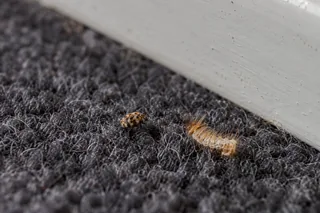
If the evidence is damage to natural-fibre textiles rather than gnawing, consider identification for Carpet Beetle Treatment Pinner.
| Finding | What is checked | Why it matters |
|---|---|---|
| Droppings at a cupboard edge | Location, pattern and other signs | Helps separate current routes from isolated older evidence |
| Gnawed packaging | Food access and adjoining storage | Identifies a support condition to address |
| Gap around a pipe | Accessible links into units or voids | May require a coordinated control and proofing sequence |
| Activity in a shared riser | Permission and connected spaces | Can extend the work beyond one occupied room |
Compare control options with the setting
Depending on the findings, suitable control may involve trapping, professionally secured bait placements or monitoring alongside food management and exclusion work. A particular product or device should not be assumed before inspection. The technician considers who uses each space, whether placements can be protected and how they will be inspected or retrieved. Discuss any previous attempts that appeared unsuccessful and where equipment remains. The plan should explain why an option is appropriate, which areas it covers and what it cannot solve if an open route or continuing food supply remains.
Understand what happens during the visit
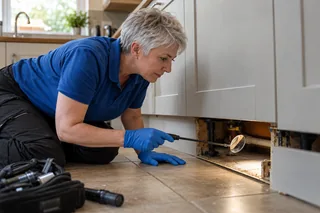
Once the scope is agreed, the technician can identify appropriate placement locations and explain how activity will be assessed. Inspection equipment may include a torch, mirror and suitable monitoring devices; treatment equipment depends on the selected method. Locations should be recorded or described clearly enough that occupants know what must remain undisturbed. Equipment should not be positioned casually where a child or animal can reach it. Ask about retrieval and disposal arrangements, cleaning restrictions and what information you will receive after the visit. Do not add household poisons or move placements without checking first.
For the wider inspection and aftercare approach, return to the Pinner homepage.

PREPARATION & ACCESS
Preparing for mice control
Make relevant edges accessible
Clear the particular cupboard edges or inspection points requested, where this can be done without disturbing suspect material. Keep food in suitable closed containers and describe pet feeding routines, including food left out overnight. Leave heavy appliances, fixed panels and unsafe loft access to be discussed rather than moving them yourself. Retain packaging from any previous rodent-control products so the technician can understand what was used. For rented or shared property, confirm access permissions before the appointment. Preparation should expose useful inspection areas, not scatter belongings and evidence through unaffected rooms.
Plan around occupants and animals
Tell the technician about children, pets and anyone who may need individual access arrangements. Explain where animals feed, sleep or explore so this can inform the method and placement discussion. Safety depends on the actual equipment, product authorisation and instructions; no general website statement replaces that assessment. Follow the directions given for handling affected material and for avoiding placements. If equipment is damaged or disturbed, report it instead of improvising a replacement. Keep other household members informed, especially where a shared cupboard or communal area is part of the agreed treatment.
Use observations to guide the review
Record the date, room and type of any signs noticed after the visit. A short location-based log is more useful than repeatedly moving equipment to follow the latest sighting. The technician can compare the pattern with the original findings and explain whether placements need adjustment, further access is required or another visit is appropriate. Ask when to report activity and which return visits are included or separately chargeable. An apparent pause does not by itself prove that every access route has been addressed, while an isolated sighting needs context before the plan is judged.
Close the route at the right stage
Proofing is most useful when the opening and the pattern of activity have been assessed. Blocking a gap indiscriminately may leave another route unresolved or interfere with control inside a void. Discuss which small openings can be addressed within the agreed work and which require building repairs. Food storage, waste handling and cleaning beneath accessible units also affect recurrence. In buildings with shared services, coordinated action may be necessary beyond one flat. The prevention advice should identify specific findings from your property and explain who is responsible for the next practical step.

QUOTATION SCOPE
What affects your mice control quote?
A mouse-control quotation depends on the accessible treatment area, the distribution of activity, the selected method and the monitoring or return visits required. Proofing, moving fixed fittings and work in shared service spaces may have a separate scope. The exact price is agreed for the assessed work. Before booking, ask for the total, VAT position, included equipment, collection arrangements and the cost of any further visit. Describe access limitations so the quotation does not assume areas are already available.
| Stage | Mouse-specific consideration | Confirm before booking |
|---|---|---|
| Inspection access | Cupboard backs, plinths and service entries | Which panels can be opened safely |
| Control method | Protected locations and occupant access | Suitable equipment and retrieval arrangements |
| Monitoring | Dates and locations of further signs | Included reviews and reporting interval |
| Proofing scope | Assessed active openings and building defects | Which repairs are included or separately quoted |
To describe the activity and access arrangements, use Contact Us.
PROMPT ASSESSMENT
When mice control needs prompt attention
Seek a prompt assessment where fresh mouse activity affects exposed food, sleeping spaces or areas used by vulnerable occupants. Explain the evidence and which rooms can be kept clear. Keep food protected and avoid disturbing suspect material while awaiting advice. Appointment urgency and availability are confirmed by telephone; a fixed arrival time is not promised.
QUESTIONS ABOUT THE VISIT
Mice Control: your questions
Does one mouse mean the whole house needs treatment?
Not necessarily. A sighting does not establish the population or spread. The inspection follows accessible signs and routes, including adjacent rooms where relevant. The plan should explain why particular areas need control or monitoring and distinguish those findings from spaces that could not be inspected.
Should I seal the hole behind my washing machine first?
Show the opening and discuss how it is being used before sealing it. The technician may need access to understand movement and the control sequence. Do not pull out an appliance if this risks damaging connections. A repair may belong to a separate building or appliance contractor.
Why are signs appearing in more than one cupboard?
Cupboards can connect through gaps around services or behind plinths. Food, shelter and disturbance also influence movement. A room-by-room account helps the inspection identify links. Avoid assuming that each cupboard represents a separate entry point until the accessible routes have been checked.
Can monitoring help when sightings are intermittent?
It may help clarify where activity occurs and whether it continues after treatment. The technician should select a suitable approach, explain the observation period and describe what occupants should report. Monitoring does not remove the need to address an identified entry route or accessible food source.
What should I do if a placement is moved by another resident?
Keep people and animals away from disturbed equipment and contact the technician for advice. Do not relocate it to a different cupboard or add another product. Explain what changed, when it happened and whether anyone could have contacted the placement so the situation can be assessed.
DISCUSS YOUR PINNER PROPERTY
Describe the signs. Agree the next step.
Call with your postcode, the areas affected and any access restrictions. Inspection scope, appointment availability and treatment arrangements are confirmed for the property.